
Last updated November 23, 2026
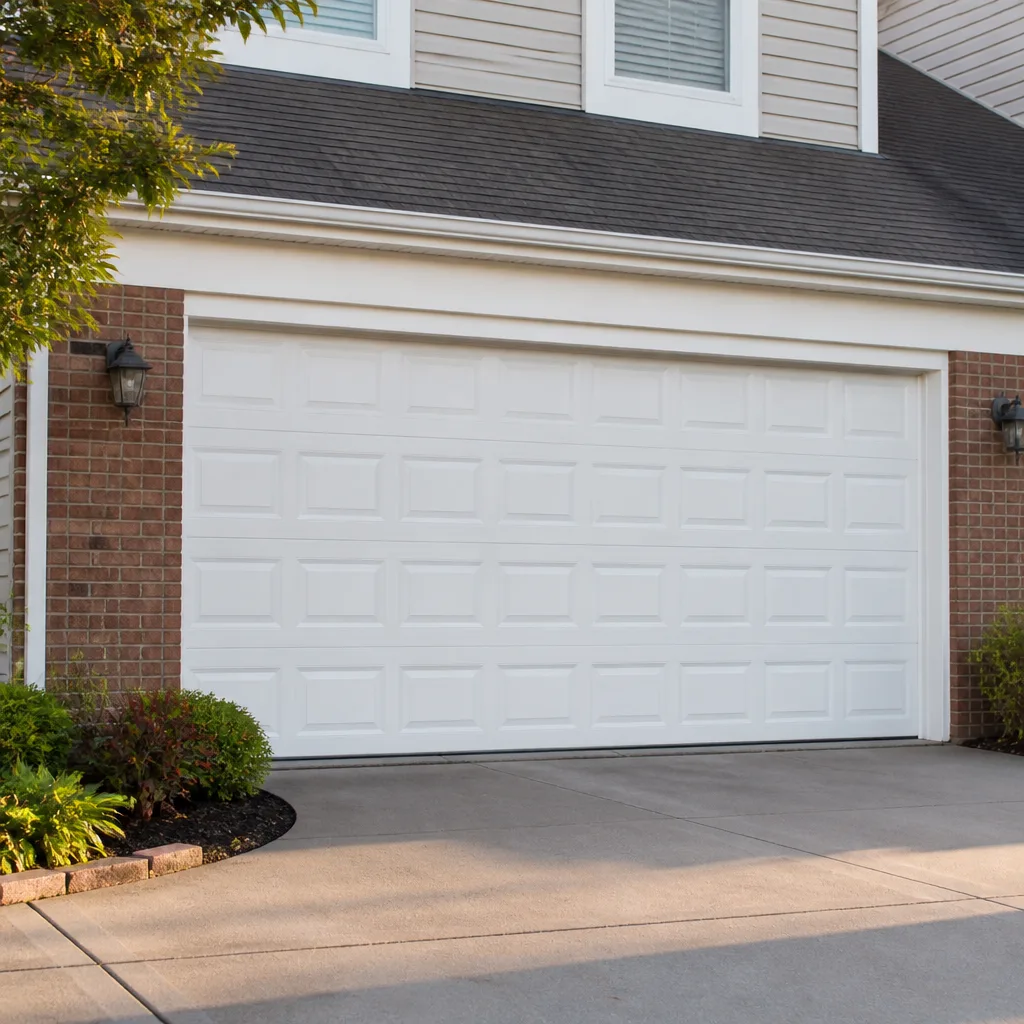 Raised-panel steel
 Carriage house
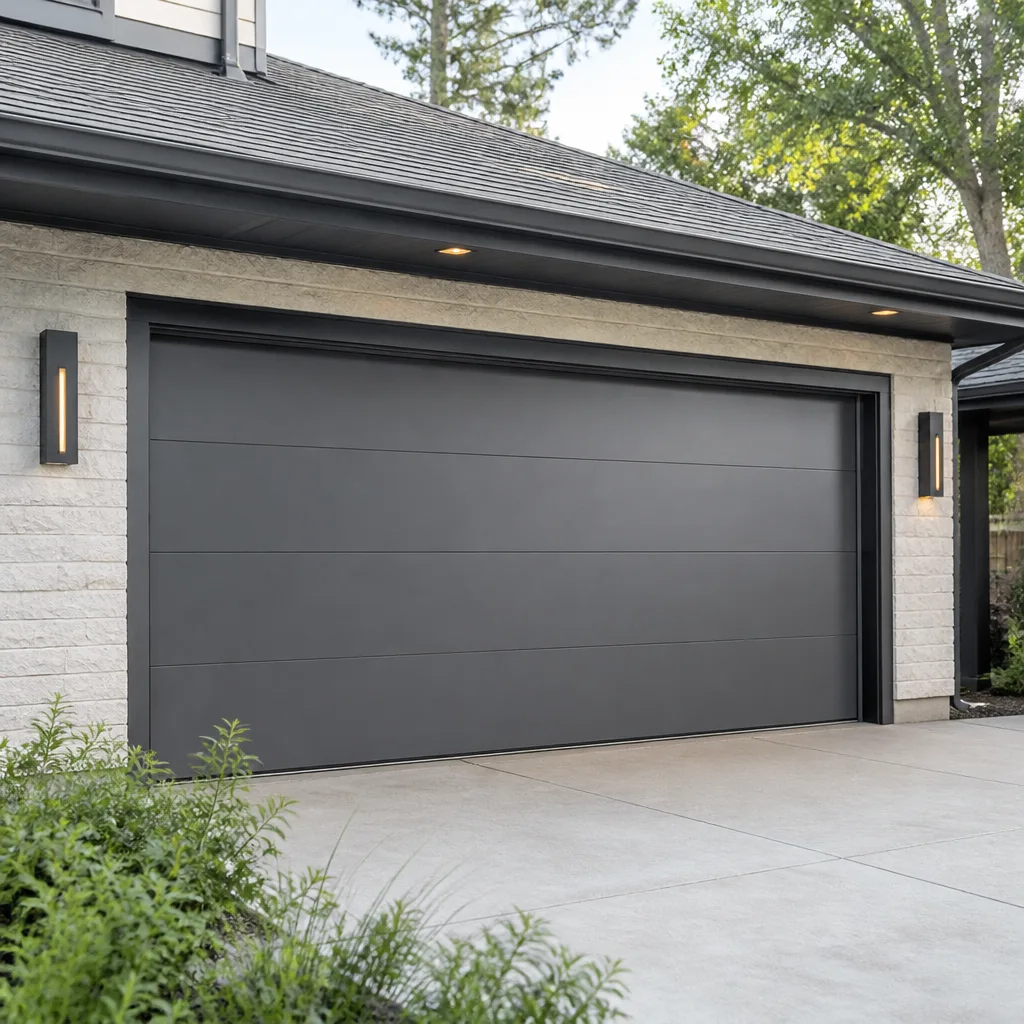 Modern flush
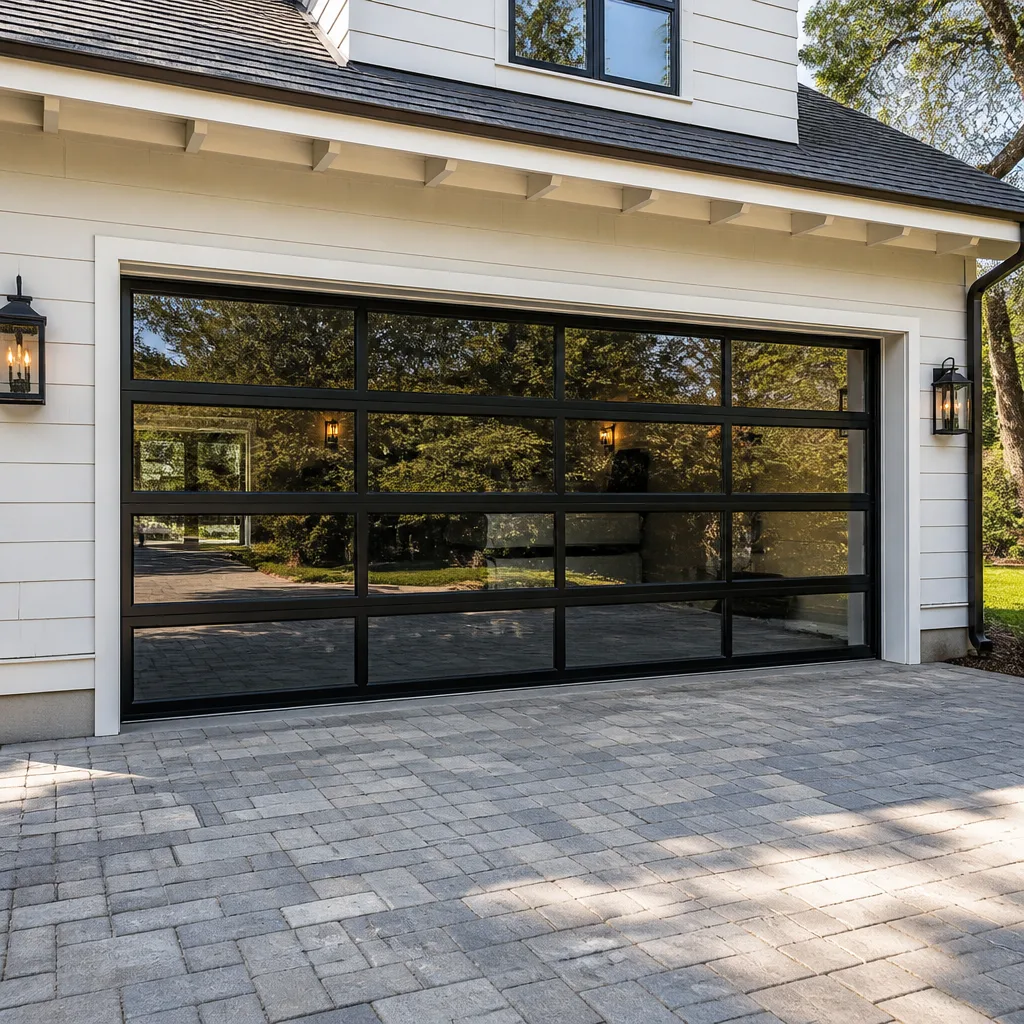 Full-view glass
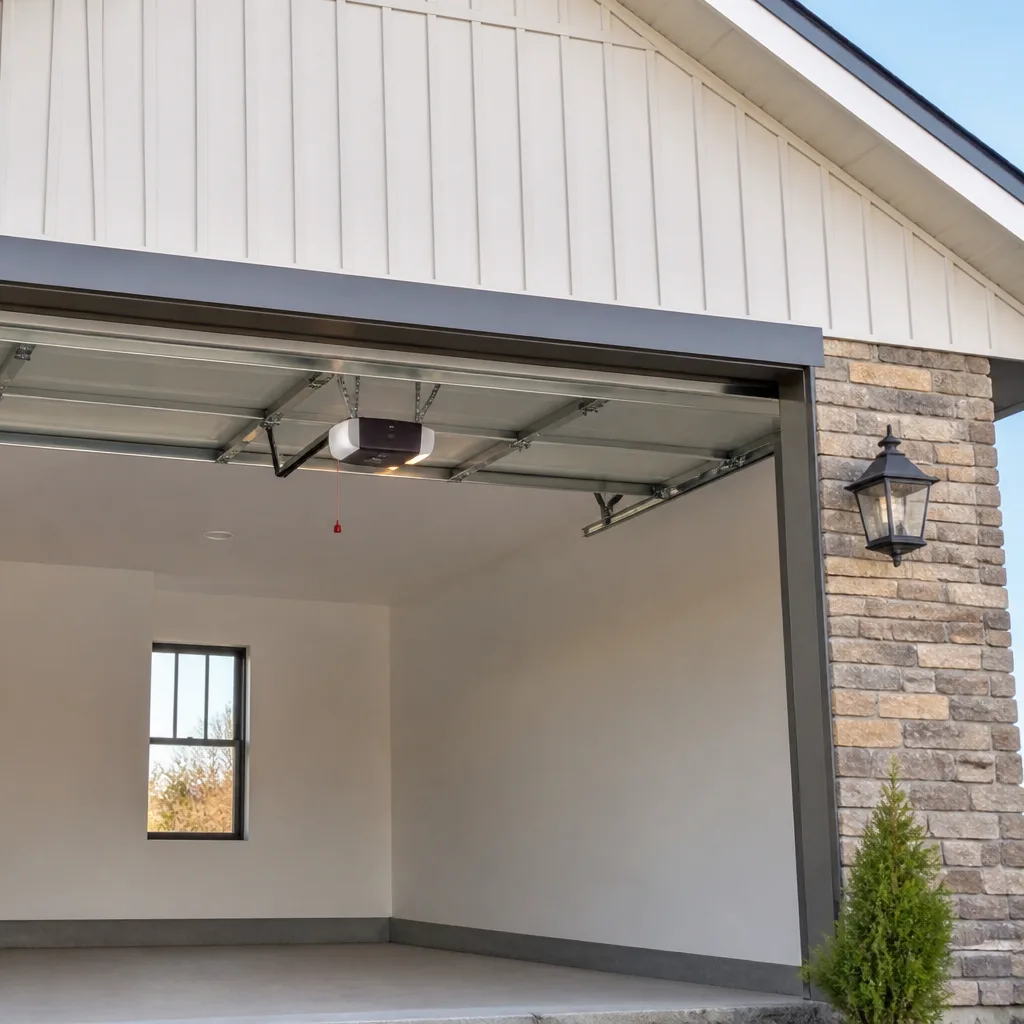 LiftMaster openers
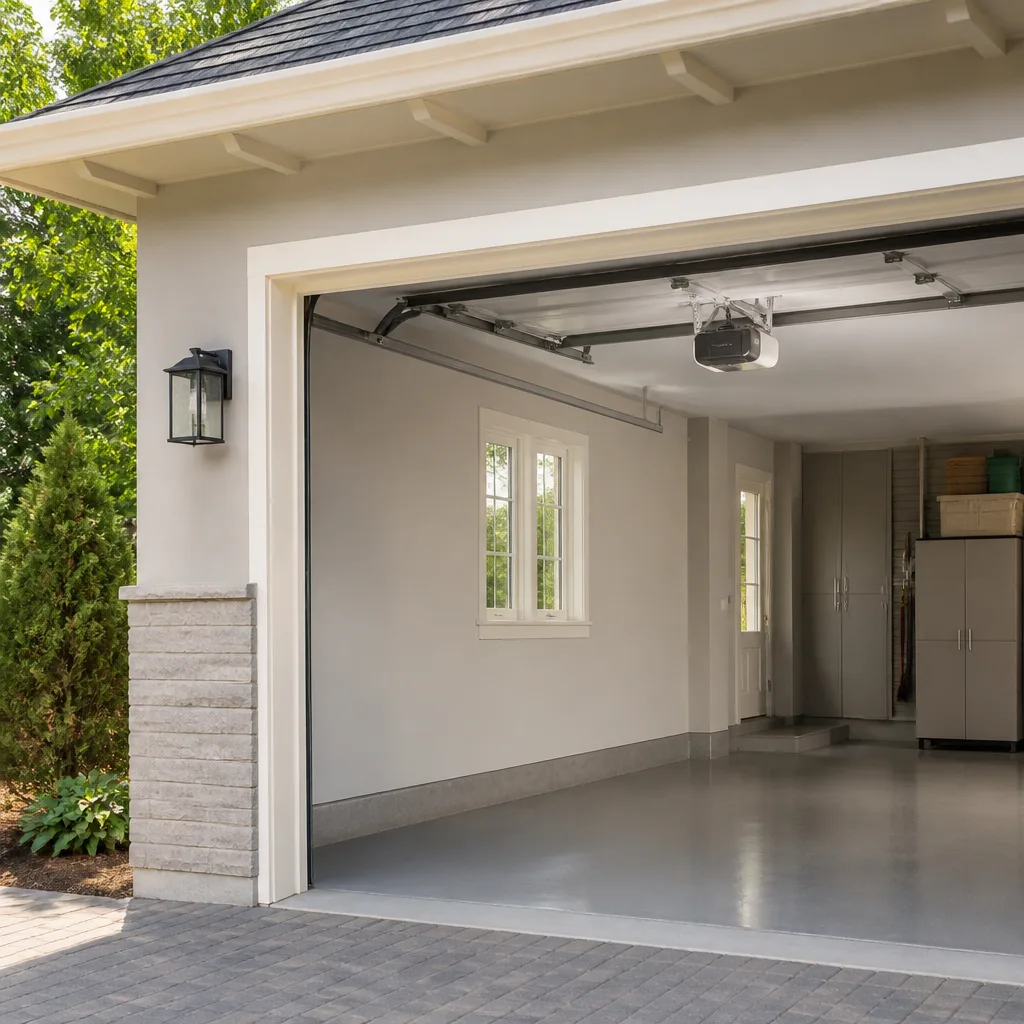 Chamberlain openers
Full 25-point door and opener safety check with every visit - springs, cables, rollers, tracks, and your LiftMaster or Chamberlain opener included
You get a price before we start. It does not change when the pro arrives.
Get your free estimateDIY vs Professional Garage Door: The Milford Homeowner’s Decision Guide
Most DIY versus professional debates get answered with a vague “it depends on your comfort level,” which helps nobody. Garage doors are different. The honest answer depends on the specific task, because the risk profile swings so wildly from one job to the next. The same homeowner who can absolutely handle a weatherstripping swap should never touch a torsion spring. A torsion spring stores enough energy to cause serious injury in a fraction of a second. That’s not an alarmist statement meant to scare you into a service call. It’s physics, and it belongs at the top of any honest DIY discussion. Most guides bury it in a footnote. This guide puts it first, then walks through what you can safely do yourself, what you shouldn’t, and what it costs either way in Milford.
Quick Answer
Weatherstripping, lubricating moving parts, and aligning safety sensors are genuinely DIY-friendly and worth doing yourself. Opener installation is DIY-possible but risky and often costs you more after a redo. Torsion spring work, cable replacement, and anything involving the torsion assembly are professional-only because the stored energy can injure you badly. The dividing line isn’t skill. It’s consequence.
Styles & brands we work with
- Raised-panel steel
- Carriage house
- Modern flush
- Full-view glass
- LiftMaster openers
- Chamberlain openers
Table of Contents
- The Job-by-Job Risk Matrix
- What a YouTube Tutorial Actually Prepares You For
- The Honest Cost Comparison: When DIY Saves Money
- Massachusetts Liability: What Happens When a DIY Repair Fails
- How to Prep Your Door Before Calling a Pro
- Milford-Specific Considerations
- Brand Matters: Why Some Doors Are Easier Than Others
- Safety Signs You Should Never Ignore
The Job-by-Job Risk Matrix
Every garage door task falls into one of three buckets. Understanding which bucket you’re in is the whole decision. In our experience, the mistakes happen when homeowners treat all door work as one category and assume that because they handled one job, they can handle them all.
Bucket 1: Genuinely DIY-Appropriate
- Weatherstripping replacement. The rubber or vinyl seal at the bottom of the door wears out and lets in drafts, water, and pests. Swapping it is a straightforward job with basic tools and no tension in the system.
- Safety sensor alignment. If your door reverses for no reason, the two photo-eye sensors near the floor are usually misaligned or dusty. A quick wipe and a nudge back into line fixes most of these.
- Lubrication. Hinges, rollers, and the opener rail benefit from a garage-door-specific lubricant a couple of times a year. Never grease the tracks themselves. Lubricated tracks attract dirt and throw the door off balance.
- Remote and keypad programming. Reprogramming a remote or keypad from your opener’s manual is safe, simple, and doesn’t involve the door’s mechanical system at all.
Bucket 2: DIY-Possible but Risky
- Opener installation. A new opener swap involves 120-volt wiring, ceiling mounting, and travel-limit adjustment. Homeowners successfully install openers all the time. The catch is that a misadjusted open or close limit can put the door in a bad state, and the redo cost often eats the savings.
- Roller replacement. Swapping rollers sounds easy until a cable slips while you’re working near it. If you can keep tension in the system intact, it’s manageable. If not, stop.
Bucket 3: Professional-Only
- Torsion spring replacement. The spring above your door holds the full weight of the door in tension. Releasing that tension incorrectly can strip the drum, snap the cable, or injure you. This is the single most dangerous job in the trade.
- Extension spring work. Same warning, slightly different geometry. Extension springs stretch along the horizontal tracks and store energy too.
- Cable replacement. Cables are under constant tension from the springs. A cable that lets go while your hand is near the drum is a serious injury risk.
- Track realignment or panel replacement. Bending a track back into place looks simple. Getting the door to sit level and travel evenly afterward is the part that goes wrong.
What a YouTube Tutorial Actually Prepares You For
A good tutorial can teach you the sequence of a repair. It can show you which bolts to loosen first, how the winding bars sit in the collar, and what the door should look like when it’s balanced. What it can’t do is prepare your hands for the amount of stored force you’re releasing. That’s the part nobody warns you about.
A torsion spring on a standard double door is wound tight enough that one careless turn sends a winding bar flying across the garage. Technicians who do this work every day still wear gloves, eye protection, and stand outside the swing zone. They also know how to tell when a spring has taken on a set or when the cable on one side is about to fail. These are things you learn by seeing dozens of doors in different conditions, not by watching a fifteen-minute video once.
Here’s the practical version:
- A tutorial prepares you for the visible steps. Bolt order, tool selection, and the general plan.
- It doesn’t prepare you for stuck or seized hardware. Fasteners on a door that’s been in place through several New England damp cycles can be frozen. YouTube assumes everything turns freely.
- It doesn’t prepare you for a spring that’s reached end of life. The next spring you install might fail the same way if the door’s balance is off. Technicians check the door’s weight and the opener’s force settings before installing a new spring.
- It doesn’t prepare you for the moment something goes wrong mid-job. When a cable slips or a winding bar spins out, you have seconds to react. That’s the moment where having done it a hundred times matters.
None of this is meant to talk you out of every DIY project. Weatherstripping and lubrication really are yours to handle. But for anything with high-tension components, the tutorial gets you to the starting line. It doesn’t get you across.
The Honest Cost Comparison: When DIY Saves Money
The DIY decision usually comes down to money, so let’s be honest about it. DIY saves real money on some jobs and quietly costs you on others. The trick is knowing which is which before you buy the parts.
When DIY Actually Saves You Money
- Weatherstripping. The seal itself is inexpensive, the job takes under an hour, and there’s no redo risk if you follow the fitting instructions. Even with a couple of basic tools you don’t own yet, DIY is clearly cheaper here.
- Sensor alignment. If your sensors are simply misaligned, this is a free fix. Not even a parts bill.
- Lubrication. A tube of garage-door lubricant costs very little and lasts multiple applications.
- Remote programming. Free, assuming you still have the manual or can find your model online.
When DIY Quietly Costs You More
- Opener installation. The opener itself costs the same whether you or a technician installs it. But if the travel limits are set wrong, you can strip the opener’s gear, damage the door, or shorten the opener’s life. A redo on someone else’s labor plus a new part usually wipes out any savings.
- Spring replacement. The parts are cheap. The labor is the value. If a DIY spring install goes wrong, you’re paying for the redo plus a possible panel or cable repair. The savings only hold if you don’t make a single mistake.
- Roller replacement. Same story. Cheap parts, but a slip while you’re working near a cable turns a small job into a bigger one.
What a Typical Estimate Looks Like
Pricing varies by door type, opening size, and what’s actually wrong, so treat these as rough ranges rather than numbers to hold us to. The written estimate sets the final price, always. A typical professional call in Milford runs a few hundred dollars for routine spring or opener work. A full door replacement or a significant track and panel job runs higher, and the estimate is where you get the real number.
Tool costs matter too. Winding bars for torsion springs, a torque wrench, and a proper set of garage-door hand tools are not free. If you’re buying tools for a one-time job, that cost eats most of the DIY savings on anything beyond weatherstripping and lubrication. For the full picture on garage door repair, the estimates come out the same whether you plan to tackle part of it yourself or hand the whole job over.
Massachusetts Liability: What Happens When a DIY Repair Fails
This is the section most DIY guides skip, and in Massachusetts it matters. If a repair you did yourself fails and damages your home or injures someone, the insurance picture is more complicated than most homeowners expect.
Standard Massachusetts homeowners policies generally cover sudden and accidental damage. That includes damage caused by a failed repair. But policies also contain exclusions that can come into play, and what “sudden and accidental” means in your specific policy is a question for your agent, not for us. The point is that a DIY repair that fails is not automatically covered, and it’s not automatically excluded either. It depends on your policy language, the cause of the loss, and how you describe it to your insurer.
The bigger issue is timing. When a licensed professional does the work and something fails, the professional’s insurance is a second layer. When you did the work yourself, you’re the professional. If a door falls on a car, or a spring comes loose and hits something in the garage, your policy has to carry the whole loss.
Some practical points:
- Keep receipts and photos of any DIY work. If you ever need to make a claim, being able to show what you did and when you did it matters.
- Document the door’s condition before you start. A quick photo set of the spring assembly, tracks, and hinges before a DIY job helps if you later need to prove what condition the door was in.
- Know your deductible. A small DIY failure might not be worth a claim at all. A big one might be.
- Consider your umbrella policy if you have one. Personal liability coverage can reach into a garage door failure depending on the circumstances.
None of this should scare you off small repairs. But for the jobs in bucket three, the liability question is part of the reason those jobs belong with a professional. The savings from a DIY spring job don’t look like savings if a failure costs you a claim, a deductible, and a redo.
How to Prep Your Door Before Calling a Pro
If you’re going to have a professional handle a repair, there’s still plenty you can do to make the job go smoothly and keep the estimate tight. Here’s a short checklist we’ve put together from the calls we see in Milford. None of this replaces the technician’s work, but it makes their visit more efficient.
- Clear the garage floor. Move bikes, boxes, and anything stored near the door and its tracks. A technician needs clearance to work and to check the door’s travel.
- Note what’s actually happening. Does the door reverse partway up? Does it open fine but close unevenly? Does the opener run but the door doesn’t move? A short description saves diagnostic time.
- Check your opener’s brand and model. Your opener’s manual, the sticker on the back of the box, or the remote itself will tell you. Write it down. We service LiftMaster, Chamberlain, Genie, Clopay, Amarr, Wayne Dalton, Craftsman, and Raynor, so knowing the model helps us send the right person.
- Look at the springs and mark their condition. A torsion spring with a visible gap in the coil is broken. An extension spring that’s stretched out and hanging is also broken. A quick photo helps.
- Test the safety sensors yourself. Wave something across the beam while the door is closing. If it doesn’t reverse, mention that to the technician. It’s a quick check and it’s worth flagging.
- Have your gate code or entry details ready. If you have a gated driveway or a code-operated door, tell the scheduler. It saves time on arrival.
- Write down any budget range you have in mind. If you’re working toward a target number, tell us. We can be honest early about what’s realistic and what isn’t, and we can discuss options before the estimate turns into a surprise.
Doing this prep work takes ten or fifteen minutes and helps get you a more useful estimate. If you want to know what a specific repair is likely to cost, garage door spring repair and opener work can usually be estimated the same day over the phone if you describe what you’re seeing.
Milford-Specific Considerations
Garage door work in Milford isn’t the same as in a dry-climate city. Our winters cycle the door through freeze and thaw cycles, and the humidity in summer does its own work on hinges, rollers, and the weather seal. If you’re deciding between DIY and professional, this local context matters in a few specific ways.
First, our weatherstripping wears out faster here than most homeowners expect. The freeze-thaw cycles at the base of the door pull the seal away from the threshold and let water in. If your garage floor is wet after a rain, that’s usually the seal. It’s also one of the easiest DIY jobs on the list, so it’s worth checking before another winter.
Second, the fasteners in and around the door are more likely to be seized after a few seasons. That’s a factor if you’re considering a DIY roller or cable swap. A bolt that comes off easily in a tutorial video can take real effort here. If a fastener won’t move without serious force, that’s usually the point where a professional visit makes more sense than forcing it.
Third, Milford has a genuine mix of door vintages. Older homes around the downtown area often have doors that have been serviced many times, with mixed replacement parts. Newer construction west of the center might have a door from one of the major brands that’s never been touched. The two need different approaches. A brand-agnostic specialist is useful for exactly that reason: the door tells you what it needs, not the other way around.
Fourth, garage door work along the Milford line and into the neighborhoods near the Hopkinton and Mendon borders gets seasonal attention that’s easy to overlook. Doors that face the street tend to get more use, more sun exposure, and more wear on the paint and seals. It’s worth a look twice a year, ideally before the first cold snap and again in spring.
None of this changes the DIY matrix. Weatherstripping and lubrication are still yours to do. Spring and cable work are still professional-only. But the Milford climate shapes which jobs are urgent and when.
Brand Matters: Why Some Doors Are Easier Than Others
If you’re set on doing a repair yourself, the door’s brand and model change the difficulty more than most guides admit. Some systems are friendly to homeowners who read the manual carefully. Others have quirks that only make sense after you’ve worked on a few of them.
Openers from LiftMaster, Chamberlain, and Genie are well documented and homeowner-friendly, which is why so many DIY opener installations happen on those brands. Buttons, travel limits, and force settings follow a standard pattern that’s easy to follow if your manual is available. If the manual is missing, the model number on the opener head usually finds the right version online.
Doors from Clopay, Amarr, Wayne Dalton, Craftsman, and Raynor also have their own hinge types, panel sizes, and spring configurations. A weatherstripping replacement is straightforward on nearly all of them, but if a repair involves the torsion system, the door’s specific design matters. A Wayne Dalton Torquemaster setup, for example, doesn’t use a standard torsion bar and needs a completely different approach. That’s not a DIY-suitable system for most homeowners.
If your door has become unreliable and you’re weighing repair against replacement, the brand matters there too. Replacing a door can be a reason to look at garage door opener repair or a full replacement depending on the door’s age and condition. A brand-agnostic specialist can give you an honest read rather than steering you toward whichever product line they carry.
Safety Signs You Should Never Ignore
Some door conditions mean the DIY conversation is over. These are the ones that need a professional visit, not a tutorial.
- A visible gap in the torsion spring. The spring is broken. Do not open the door. Do not try to lift it manually. Call.
- A cable that’s frayed, kinked, or hanging loose. The cable is under tension and can fail without warning. Don’t touch it.
- The door that comes off its track. The door is unbalanced and can fall. Get clear of it and call.
- The door that reverses for no reason. This is usually the safety sensors, but if the sensors check out, the door’s force settings are misadjusted and need attention.
- Any popping sound followed by the door becoming very heavy. The spring has likely just failed. The door is now much heavier than it should be.
- A door that doesn’t close all the way and stops short. Usually a limit switch issue, but sometimes a sign the door is hitting something. Worth a professional look if you can’t see the cause.
- Anything that feels wrong about how the door travels. Trust your instinct here. A door that’s been fine for years and suddenly isn’t is telling you something.
If any of these are present, the answer to “DIY or professional” is already settled. That’s the call to make, not the project to take on. Our Garage Door Repair Milford Pros team handles all five core services under one roof, and we can usually sort out which category you’re in over the phone before anyone drives out.
Common Mistakes to Avoid
- Assuming the tutorial prepared you for stuck hardware. A bolt that turns freely in a video may be frozen on your door. Forcing it can strip the head or crack the mount. If it doesn’t want to move, stop and call.
- Lubricating the tracks. Grease and spray lubricant on the vertical tracks attract dirt and gum up the rollers. Only lubricate hinges, rollers, and the opener rail. Tracks stay clean and dry.
- Installing a spring that isn’t rated for the door’s weight. Springs come in different wire gauges and lengths to match door weight. A spring rated wrong can fail early or leave the door feeling heavy. This is one of the reasons spring work is on the professional side of the matrix.
- Releasing tension without knowing where it’s going. If you’re working on the torsion system and you’re not confident about which way to turn the winding bar, don’t start. There’s no good outcome from guessing.
- Ignoring the door’s balance after a DIY repair. A door that isn’t balanced puts extra load on the opener and won’t close evenly. After any DIY repair, test the balance by disconnecting the opener and lifting the door manually. If it doesn’t stay where you leave it, the door isn’t balanced.
- Assuming the door is fine because it still opens. Doors fail in stages. A door that runs but sounds rough is a door that’s telling you to look at it. Milford winters punish a door that’s been ignored.
- Skipping the warranty question. Some door and opener manufacturers require professional installation to keep the warranty intact. Read your documentation before you install anything yourself.
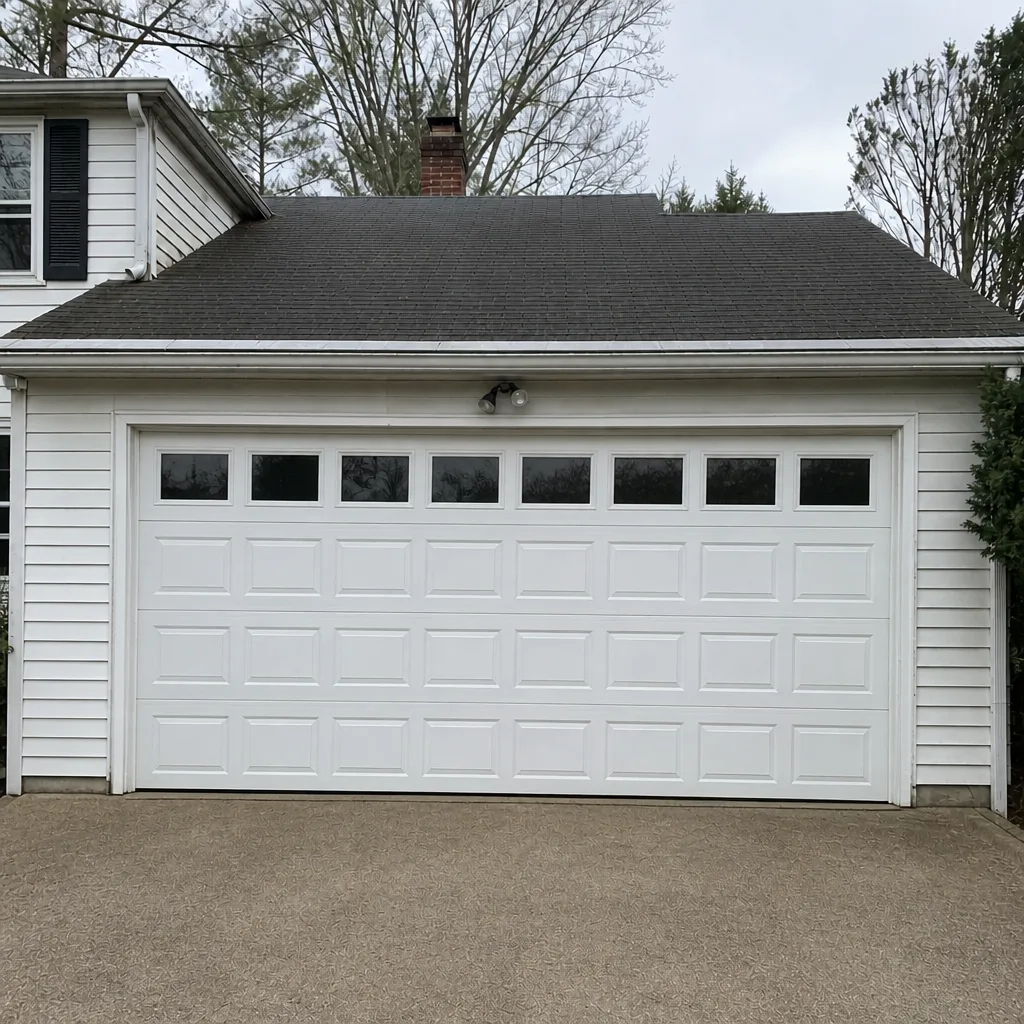
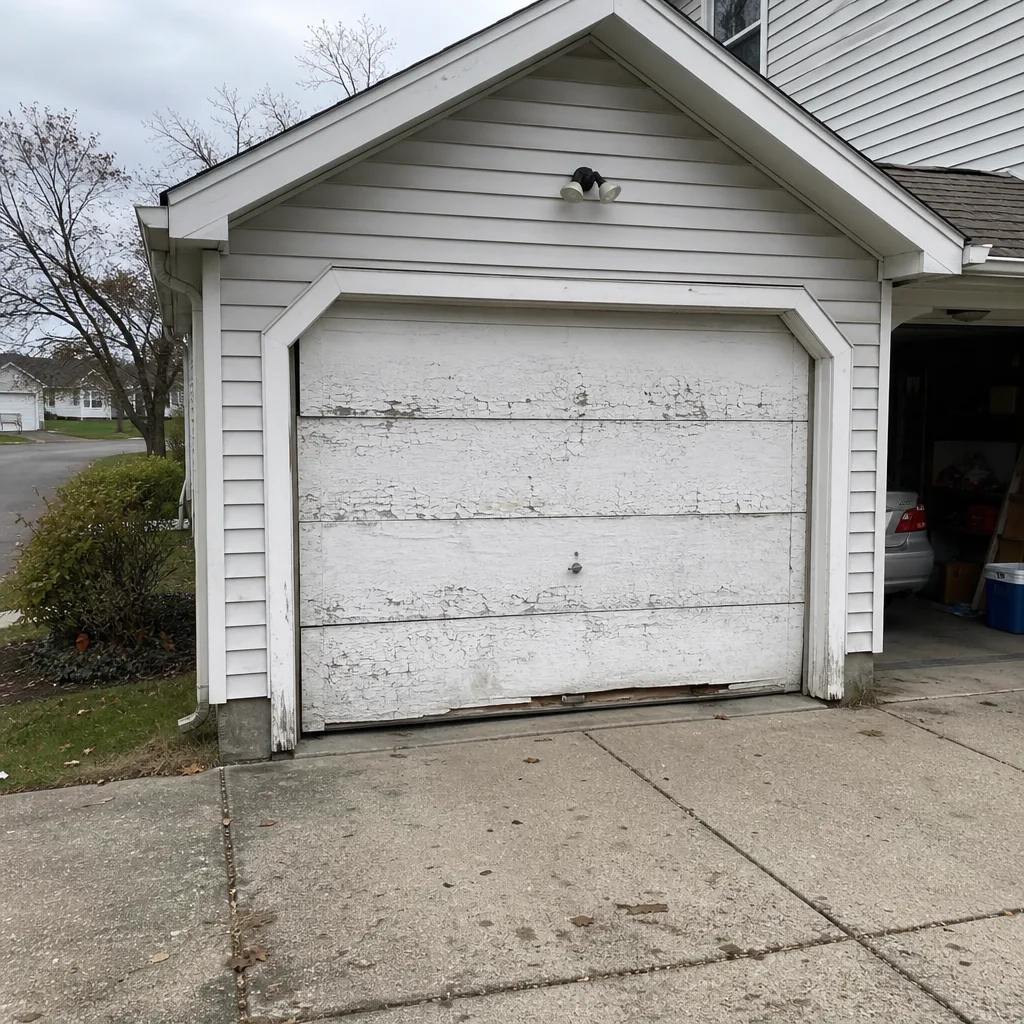
See the difference
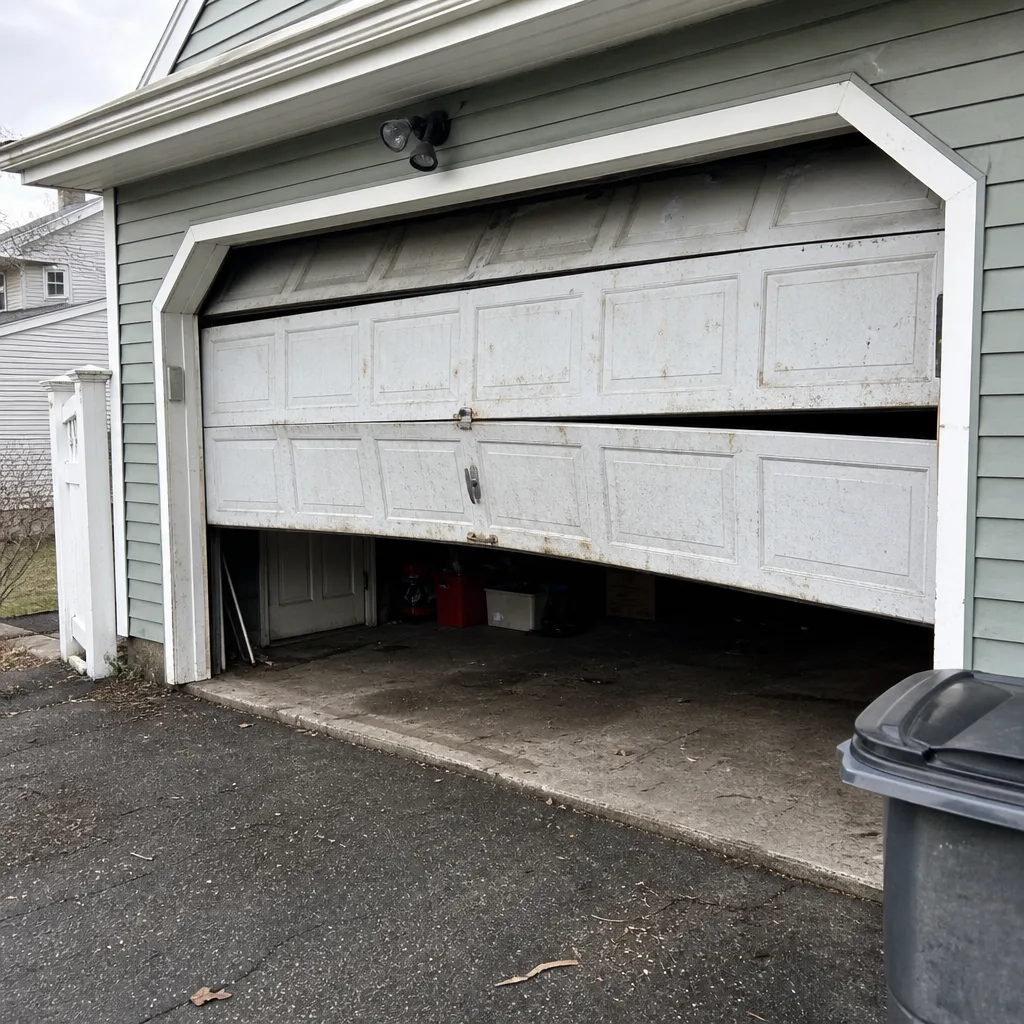 Before
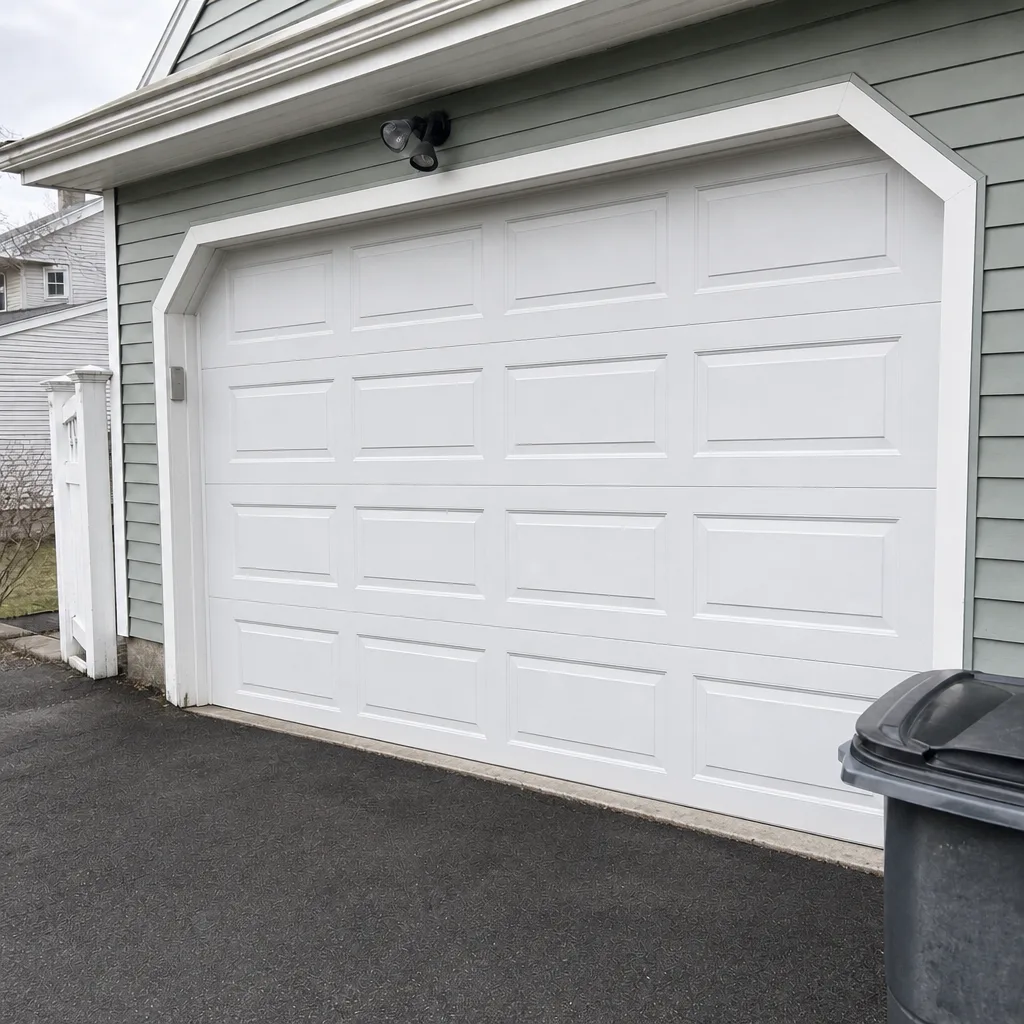 After
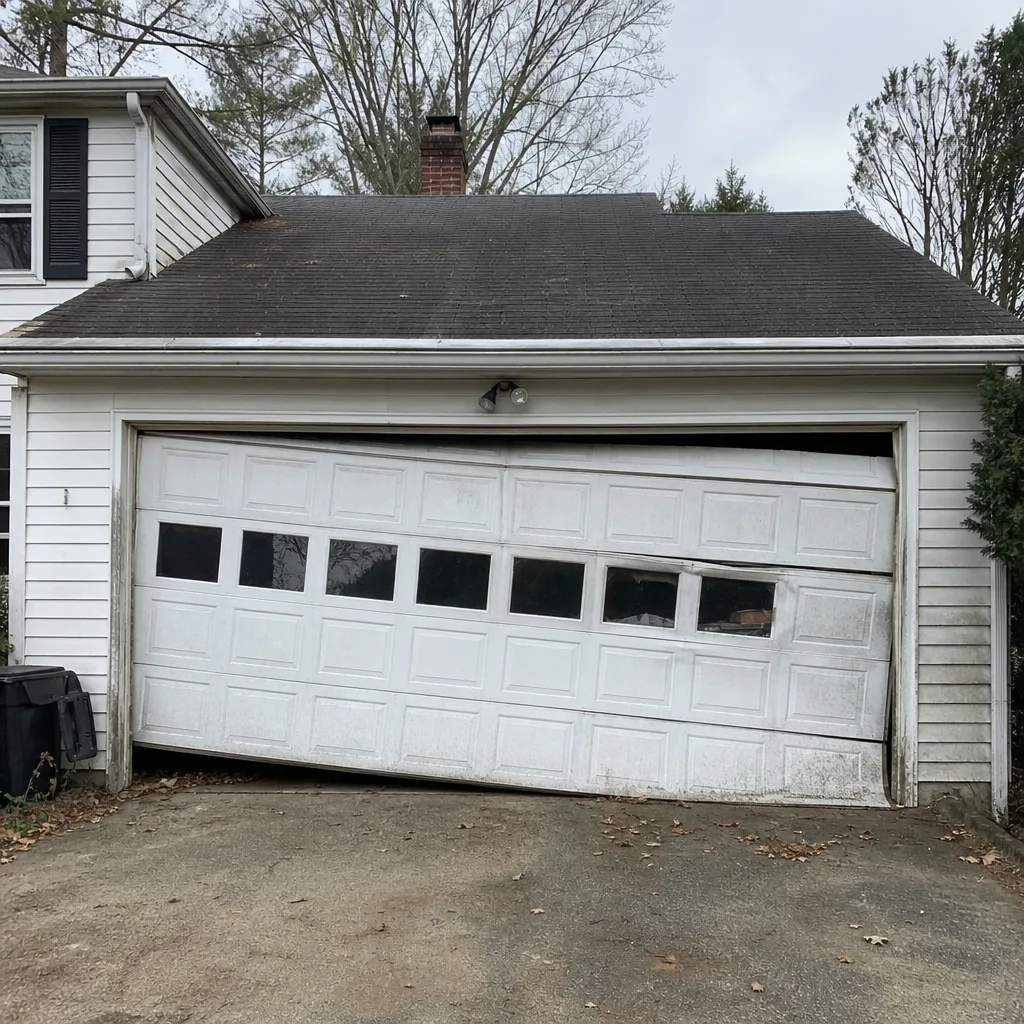 Before
 After
 Before
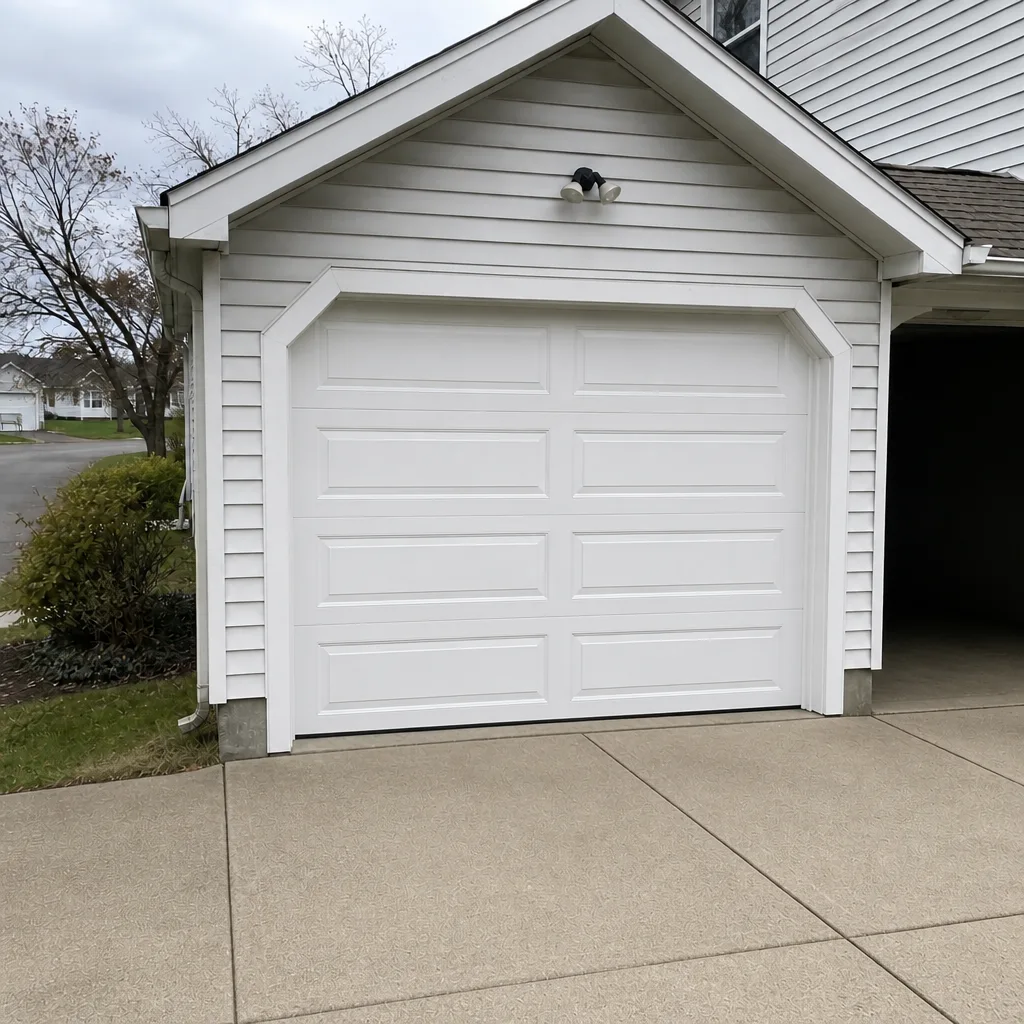 After
When to Call a Professional
Call a professional when the job involves the torsion or extension spring assembly, the cables, the door’s balance, or any repair where you’re not sure what you’re looking at. Call when the door has failed suddenly and the door is now much heavier than it should be, because that’s the spring. Call when a DIY repair has already been attempted and didn’t go cleanly. Call when the door is more than a decade old and has never been serviced, because the odds of an underlying issue the last repair missed are higher than they look. And call if the door is in a rental property or you manage a residential building, where liability considerations make the DIY savings look small compared to the risk.
Garage Door Repair Milford Pros offers free estimates in Milford, and our technicians have up to 9 years of experience. Call (866) 937-8812. We answer 24/7. Fast dispatch from 7am to 7pm, Sunday through Friday. The estimate is written, the price is agreed before any work starts, and the final invoice matches what was quoted.
Frequently Asked Questions
No, not safely. A torsion spring stores the full weight of the door in tension, and releasing that tension incorrectly can cause serious injury in a fraction of a second. The parts are cheap. The skill required is not. Call a professional for spring work, even if the tutorial makes it look simple.
It depends on the job. Weatherstripping and sensor alignment are genuinely cheaper to DIY because the parts are inexpensive and there’s no meaningful redo risk. Spring, cable, and opener work usually cost less with a professional once you factor in tool costs, potential redo costs, and the chance of a bigger repair caused by a mistake. A free estimate gives you the real number on the professional side before you decide.
Look, don’t touch. A broken torsion spring shows a visible gap in the coil. A broken extension spring is stretched out and hanging loose. Both mean the door should not be operated. Call a professional. Do not attempt to lift the door manually or run the opener.
If the door opens and closes but the travel feels off, or if the safety sensors reverse without cause, you’re usually looking at an adjustment. If the door is heavy, off balance, noisy at a specific point in travel, or won’t stay closed, that points to a mechanical failure and needs a professional. When in doubt, describe the symptom over the phone and we can usually tell you which category you’re in before anyone drives out.
It might, but it depends on your policy language. Standard policies usually cover sudden and accidental damage, but exclusions vary by carrier and by how the loss occurred. Call your agent and ask specifically about DIY repair and garage door damage before you decide. Once you’ve called a professional, the professional’s insurance becomes a second layer, which is part of the value of hiring out the high-risk jobs.
Yes. Plenty of homeowners do the prep, the weatherstripping, and the lubrication themselves, then call us for the spring, the cables, or the opener. We don’t push a full-service approach when a targeted repair does the job. Call (866) 937-8812 for a free estimate on the part you want handled professionally.
The Bottom Line
DIY versus professional isn’t a skill question at Milford garage doors. It’s a question of which task is on the table. Weatherstripping, sensor alignment, lubrication, and remote programming are yours to do. Opener installation is possible but risky, and the redo cost usually eats the savings. Torsion spring work, cable replacement, and anything involving the torsion assembly are professional-only, full stop. The physics of stored energy doesn’t care how carefully you watched the video. For the jobs in that third bucket, the savings from DIY don’t look like savings once you factor in tool costs, redo risk, and Massachusetts liability. For the jobs in the first bucket, do them yourself and keep the money.
If you’re not sure which bucket you’re in, call. Garage Door Repair Milford Pros offers free estimates, our technicians have up to 9 years of experience, and we work on all the major brands, including Amarr, Wayne Dalton, Craftsman, and Raynor. Call (866) 937-8812 for a free estimate. We answer 24/7. Fast dispatch from 7am to 7pm, Sunday through Friday.
Written by the team at Garage Door Repair Milford Pros.