
Last updated November 23, 2026
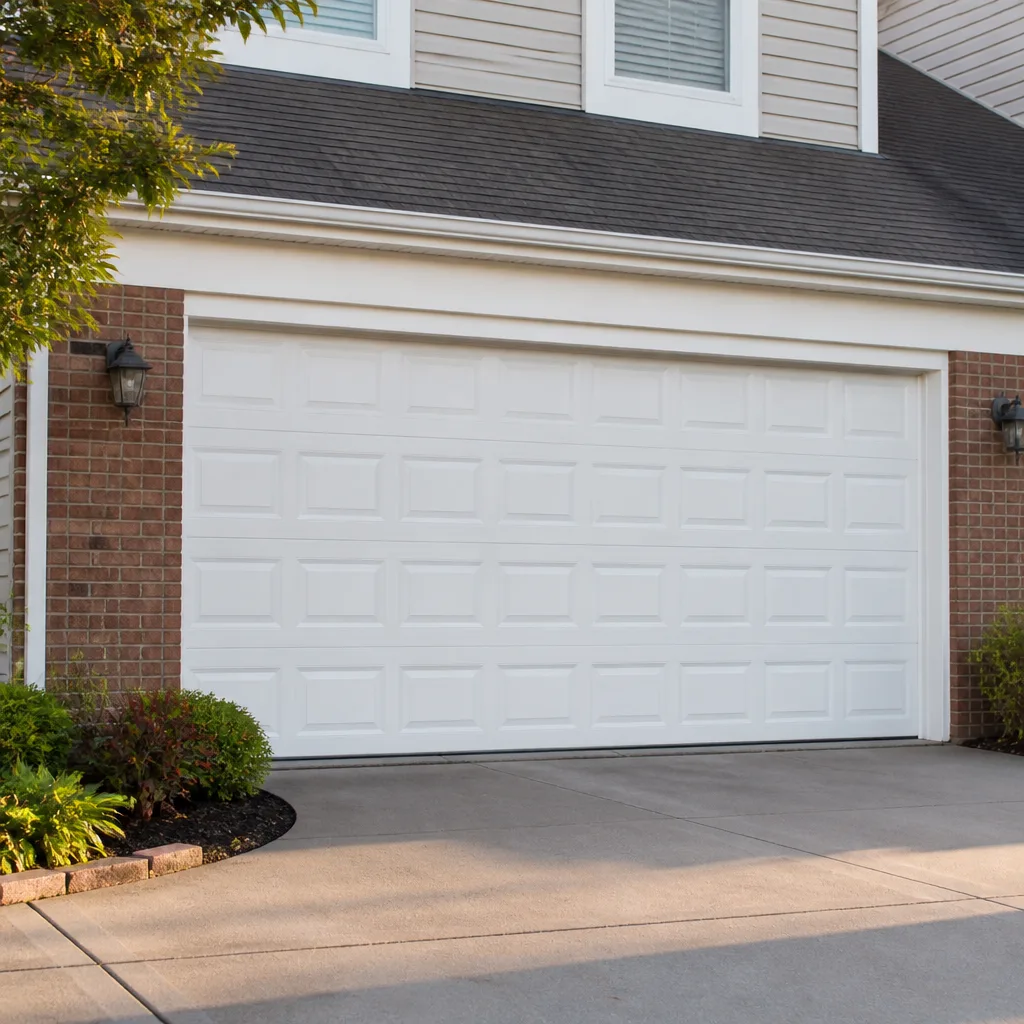 Raised-panel steel
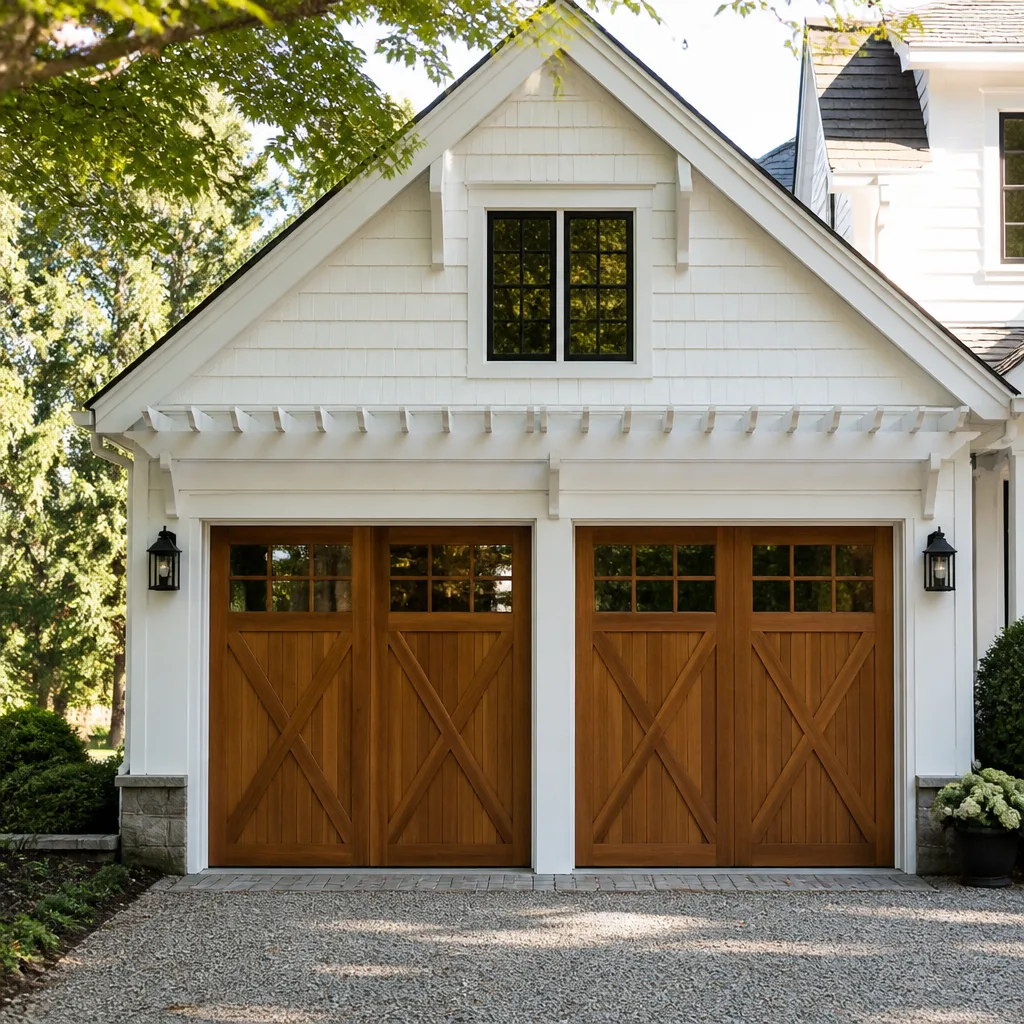 Carriage house
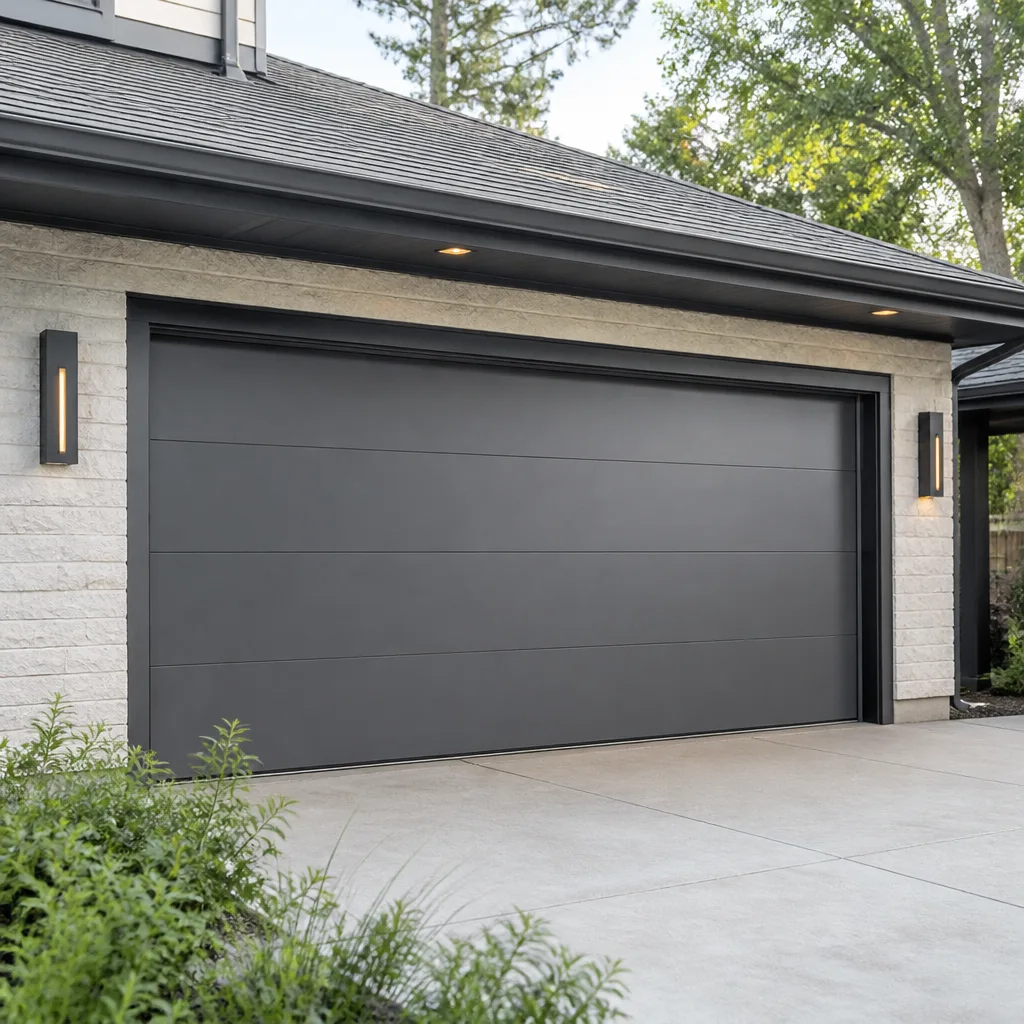 Modern flush
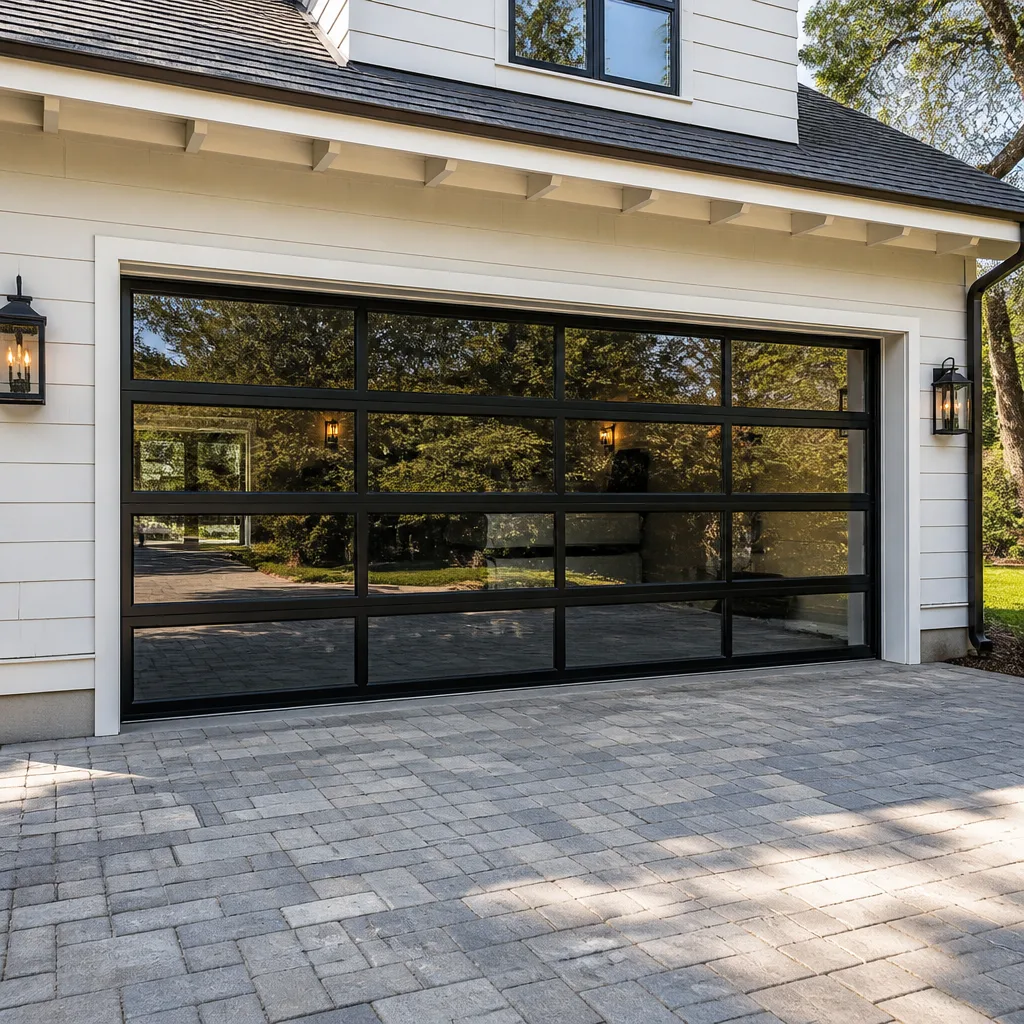 Full-view glass
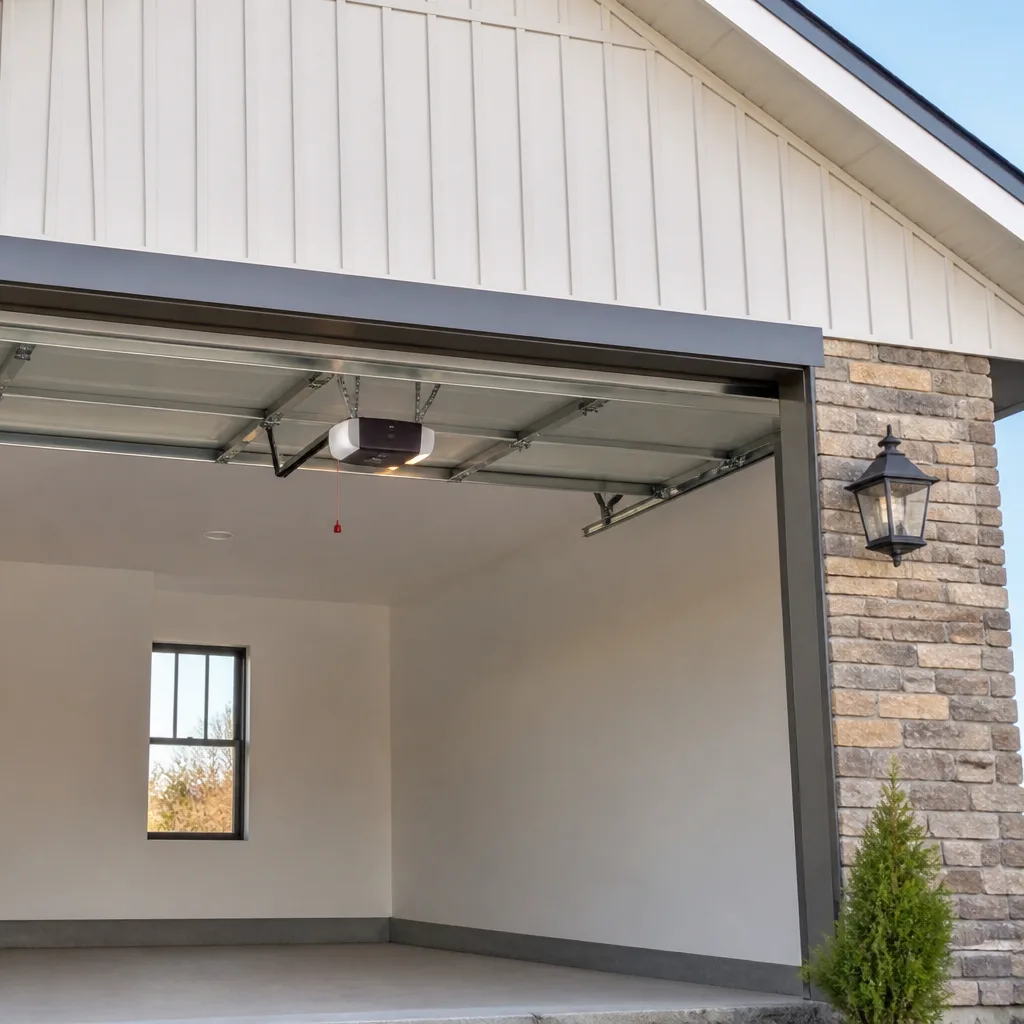 LiftMaster openers
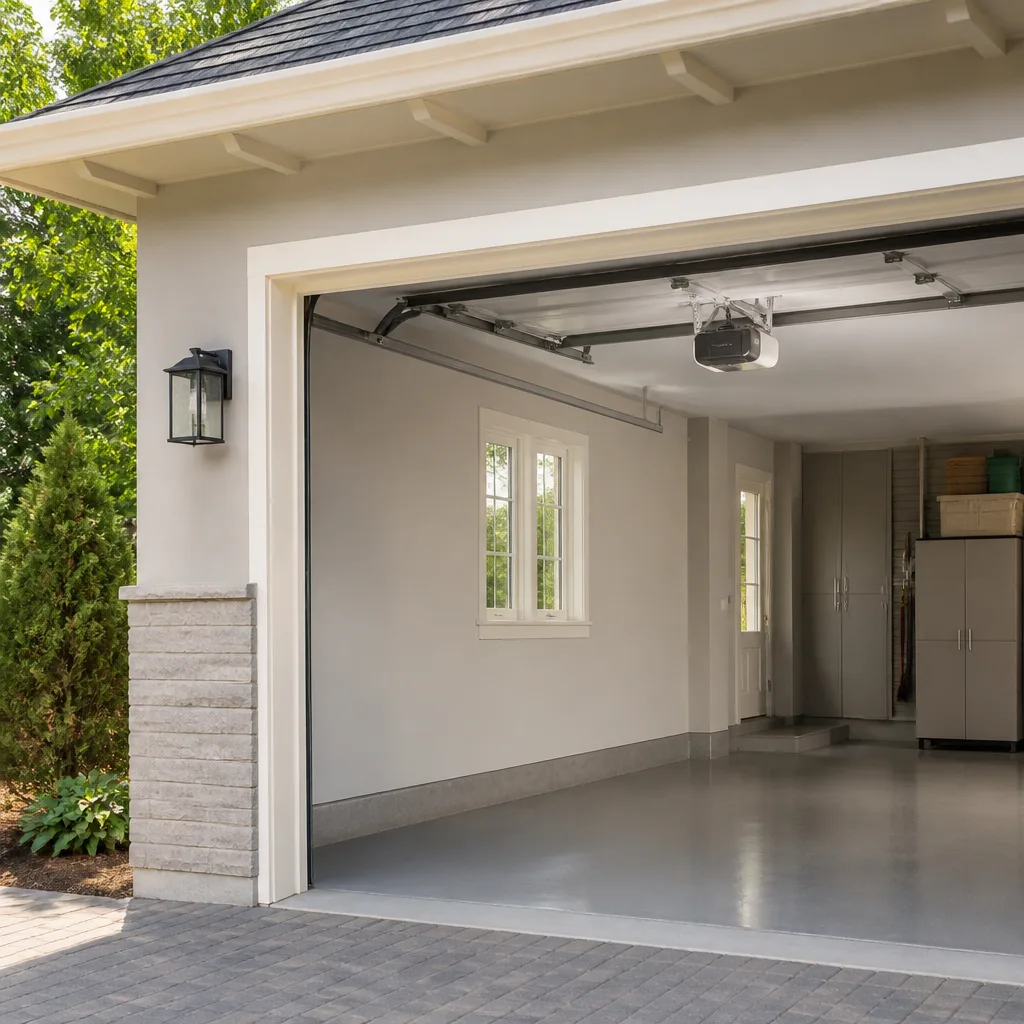 Chamberlain openers
Full 25-point door and opener safety check with every visit - springs, cables, rollers, tracks, and your LiftMaster or Chamberlain opener included
You get a price before we start. It does not change when the pro arrives.
Get your free estimateGarage Door Emergency Preparedness Guide for Milford Homes
Most homeowners think about their garage door exactly twice: when they buy the house and when something breaks. That’s the problem. A garage door emergency in Milford rarely arrives with warning, and it almost never arrives at a convenient moment. It happens during a February cold snap when the car is inside and the school run is in twenty minutes. It happens during a power outage when the only way in or out of the house is through a door that won’t budge without electricity.
Here’s the counterintuitive part: the single most useful thing you can do about a garage door emergency is prepare for it before it happens. Not the technician’s job. Yours. This guide walks through what to do when a spring snaps mid-operation, how to get a car out of a trapped garage, why most families never practice the manual release on their opener, and how to build a five-minute emergency card that could matter more than any tool in your garage. We’ve written it as a plan you build now, so the crisis is a nuisance instead of a panic.
Styles & brands we work with
- Raised-panel steel
- Carriage house
- Modern flush
- Full-view glass
- LiftMaster openers
- Chamberlain openers
Quick Answer
A garage door emergency in Milford usually means one of four things: a snapped spring, a door stuck open or closed, an opener that’s dead in a power outage, or a car trapped behind a door that won’t lift. The right response depends on which one you’re facing, but the rules are consistent: don’t force anything, know where your manual release is, keep people and vehicles clear of a door with a broken spring, and call for professional help rather than improvising. Preparation – practicing the manual release, knowing your opener, having a small emergency card in the garage – turns a scary situation into a manageable one.
Table of Contents
- Why Garage Door Emergencies Matter More in Milford Than You Think
- The Manual Release: What It Is and How to Re-Engage It Correctly
- Power Outage Protocol for Milford Winters
- When a Spring Snaps Mid-Operation: Safe Immediate Steps
- Trapped Car? How to Get Out When You Can’t Wait for a Technician
- Building a Five-Minute Garage Emergency Card
- Warning Signs You Can Catch Before an Emergency
- Common Mistakes to Avoid
- When to Call a Professional
- Frequently Asked Questions
- The Bottom Line
Why Garage Door Emergencies Matter More in Milford Than You Think
In much of the country, a stuck garage door is a hassle. In Milford, it can strand your car for days during the coldest stretch of the year. That’s not alarmism, it’s just how winter works here. Milford sits in the MetroWest corridor, and the town gets the full New England winter treatment: thaw-and-freeze cycles that work on every metal component, thermal contraction that stresses springs, and snow that piles against the bottom seal and freezes into a solid block overnight. A door that fails in July is an inconvenience. The same failure in January can leave a family sharing one plowed-in driveway and one car.
The prep work matters just as much because of what a modern garage door weighs. A single-car steel door can run well over a hundred pounds, and a double door is considerably heavier. When the spring that counterbalances it fails, that weight is suddenly unsupported by anything but the track and the opener. That’s why the trade treats torsion and extension spring work as the highest-risk, highest-skill job in the business, and why an emergency plan should always route around the door rather than through it.
Milford’s housing stock adds its own wrinkles. Older homes around the town center often have narrower single-car garages with older track systems, while newer builds out toward the surrounding neighborhoods tend toward double doors with belt-drive openers. Both fail differently. The older door is more likely to have a tired extension spring or a worn cable, while the newer setup is more likely to involve an opener fault or a sensor issue.
And then there’s the trap scenario. In a power outage, a garage door doesn’t unlock itself. If your car is inside and you need to leave, the manual release is the only thing standing between you and a very bad morning. That’s the part most families have never rehearsed.
The Manual Release: What It Is and How to Re-Engage It Correctly
Every automatic garage door opener has a manual release – a cord, usually red, that hangs from the trolley mechanism and disconnects the door from the opener’s drive. Pull it and the door becomes a manual door. Push it back and the door reconnects. Simple as that, in theory. In practice, most homeowners have never pulled it, don’t know exactly where it is on their own door, and have definitely never re-engaged it correctly after a power restoration.
The manual release is not a gadget. It’s the emergency exit for your garage. Treat it that way. In a blackout, with two kids and a car in the garage, it’s the only mechanism that lets you out without force.
Here’s how to use and reset it properly:
- Locate the cord now. Open the garage and look up at the rail. You’ll see the trolley that runs along it, and hanging from that trolley a cord, often red with a handle. That’s the one. If your cord has been shortened or tucked up out of reach, untuck it.
- Understand what pulling does. Pulling the cord disconnects the door from the opener motor. The door is now free to move by hand along its track, as long as its springs are intact. This is the point where you can lift the door manually.
- Lift the door carefully by hand. With the release engaged, lift from the bottom center using the handle or a solid spot on the panel, not a hinge. A properly balanced door should lift with reasonable effort. If it feels extremely heavy, stop. A door that is unusually heavy with the release engaged is telling you its springs or balance are compromised, and lifting it that way risks the panel coming down hard.
- Re-engage it correctly. This is the part most people get wrong. After power returns, don’t just run the opener and hope. Open the door back to fully raised position by hand, then pull the release cord once more to reset the trolley, or push the trolley carriage back so it clicks into the opener’s drive. Once connected, run the opener a short distance and confirm it’s lifting the door normally. If the opener runs but the door doesn’t move, the release is still disengaged.
- Test the safety reverse. With the door reconnected, place a small object in the door’s path and run the door down. It must reverse on contact. If it doesn’t, stop using the opener and call for garage door repair.
If you have a LiftMaster or Chamberlain opener, the release mechanism is very similar; both brands use the same trolley and pull-cord design, and both re-engage with a clear click when the trolley is reset. If yours is a Craftsman or Genie, the same principles apply, but the cord position can vary. Some Wayne Dalton installs use a slightly different trolley design, so if you can’t find a red cord, look for a small handle near the motor housing.
One more thing: practice it. Once a year, on a calm day, pull the release, lift the door by hand, and reset it. If a kid in the house can do it in the dark, you’ve done your job.
Power Outage Protocol for Milford Winters
A power outage in a Milford winter does two things simultaneously: it kills your opener, and it makes the garage cold enough that you don’t want to spend ten minutes in there fumbling around. The door itself doesn’t care about the power. Springs are mechanical. The tracks are mechanical. The only thing that stops working is the opener and its lights.
So the protocol for a power outage is:
First, confirm the power is actually out and not just the circuit to your garage. Check a light in the house. If it’s only the garage, you may have tripped a breaker and the door is fine – it just needs power back.
Second, if the power is out, engage the manual release and lift the door by hand. Don’t waste time waiting to see if the power comes back in five minutes. If you need to get out, use the manual door.
Third, leave the door in the fully raised position until power returns, or close it manually by hand and leave it disengaged. Do not run the opener with the door disconnected – you’ll just wear the motor without moving anything.
Fourth, if you have a battery backup opener, know what to expect from it in the cold. Battery backup systems are designed to lift the door a limited number of times during an outage, or about a day’s worth of normal use. In freezing temperatures, battery performance drops noticeably. A backup that works in October may only manage a couple of cycles in a cold snap. That’s normal chemistry, not a fault. If your opener has a backup battery and it’s more than a few winters old, it’s worth knowing that it may not save you in the middle of January unless you’ve tested it under load.
If you don’t have battery backup, don’t retrofit it in a panic. It’s a planned purchase and fit, not an emergency job. The manual release is your outage plan. And if your opener is on its last legs and you’d rather not rely on the cord forever, a new opener from a brand like Raynor, Chamberlain, or LiftMaster can be planned with a proper install visit. For opener troubleshooting before the outage hits, a quick check-up on garage door opener repair can save you a lot of cold mornings.
When a Spring Snaps Mid-Operation: Safe Immediate Steps
You’ll know a spring has snapped the moment it happens. There’s a loud bang from inside the garage, and if you’re nearby, you’ll feel it as much as hear it. The door may sag sharply on one side, or it may stop lifting partway and refuse to go further. That’s the single most common emergency call we get, and it’s the one where the safe response is the least intuitive: don’t touch the door.
Here’s what to do, and what not to do:
- Get clear and stay clear. Don’t try to lift a door after a spring snap. The spring was what made it manageable; without it, the door’s weight is hanging on the cables, tracks, and opener, and forcing it puts those under load they weren’t designed for. If a panel comes down, the safest place to be is not under it.
- Don’t touch the broken spring or the cables. A snapped torsion spring or extension spring is under stored energy even when it looks relaxed. Cables are under tension whenever the door is not fully closed and properly supported. This is exactly the class of job that a trained technician does with specialized tools; it is not a homeowner repair, and the trade treats it that way for good reason.
- Leave the door wherever it stopped. Do not run the opener. Do not pull the manual release to “give it a try” if the door has dropped. If the door is fully closed and on the ground, it’s in the safest position it can be in. Leave it there.
- Secure people and vehicles. If a car is inside, it stays inside for now – see the trapped-car section below for the exception. Move children and pets away from the garage and keep the door between you and it.
- Call for professional spring repair. This is the moment for garage door spring repair, not a DIY attempt. A proper repair means matching the right spring to the door’s weight and size, not just replacing the broken one. If one spring of a pair has broken, the other is on the same clock and is usually replaced at the same time so the door stays balanced.
As a rough idea of what a spring repair costs: a single torsion spring repair typically runs $180 to $340 in the Milford market, and a matched pair runs about double that, since the pair is normally replaced together. The written estimate you get before any work starts is the final price, not an approximation.
One thing worth knowing about a broken spring: a single-car door with one broken spring may still open by hand, though it will feel extremely heavy and may slam down. A double door with one snapped spring often can’t be lifted safely at all by hand. Either way, a snapped spring is the clearest “call us now” signal in the trade. Don’t drive your car through a door that has dropped a spring. The opener will not save you, and the track can’t support the door alone.
Trapped Car? How to Get Out When You Can’t Wait for a Technician
This is the scenario that gets people on the phone fastest: the door won’t open, the car is inside, and you need to be somewhere. It’s the one garage door emergency in Milford where the right answer isn’t always “wait for a pro.” Sometimes there’s a way out, and sometimes there isn’t.
Your options, in order of preference:
- Try the manual release first. If the door’s springs are intact, pulling the manual release and lifting the door by hand will get you out. This works for a dead opener, a dead power supply, or a sensor issue. It does not work if the springs are broken, the door is off its track, or a panel is jammed against the track.
- Check the door’s path. A door that stops partway is often blocking on something – an obstruction in the track, a sensor that’s been knocked out of alignment, or ice frozen against the bottom seal. If the door is up and the car is under it, and the obstruction is clearly visible and removable, clear it and use the opener to lower the door after the car is out.
- Use the side door. Many garages have a separate pedestrian door. If the garage door is jammed closed and the springs are suspect, the pedestrian door still works. Walk out of the side door, and use your other exit from the house.
- Call for emergency service and be honest with whoever needs you. If the door is jammed, the springs are suspect, and there’s no side door, no amount of careful lifting is going to free that car safely. Call Garage Door Repair Milford Pros at (866) 937-8812. We answer 24/7. Fast dispatch from 7am to 7pm, Sunday through Friday. If the call comes outside dispatch hours, it’s booked into the next opening, and you’ll know where you stand.
One hard rule for the trapped-car scenario: don’t lift a door with a suspected broken spring to drive under it. A door whose spring has failed is supported mostly by the opener and the tracks, and lifting it can send it down hard. The risk of damage to the car is real, but the risk to the person under it is the one that matters.
If the door is functioning and the car is simply boxed in by a car that won’t start, that’s a different emergency and not ours. But if the door itself is the problem, the technician who comes out will diagnose the failure, quote the repair, and get you moving again. And on the emergency side, the goal on arrival is always the same: make the door safe first, then make it work.
Building a Five-Minute Garage Emergency Card
This is the single highest-value thing in this guide, and it takes five minutes. It’s a card – a notecard, an index card, taped to the inside of the garage door frame or the wall by the entry door – that any family member can grab in the dark or the cold. The point is that during an emergency, nobody’s mind works well. A card that tells them what to do and who to call is worth more than a whole toolbox.
What goes on the card:
- The manual release location. “Red cord hangs from the rail above the center of the door.” One sentence. If the cord isn’t red, describe where it is. So if the power goes out, nobody has to search with a flashlight.
- Emergency contacts. Your household’s two emergency numbers – one for a family member, one for a service. That service number is (866) 937-8812. We answer 24/7. Write it large enough to read in the dark.
- The utility shutoffs. Where the main water shutoff is, and where the electrical panel is. A garage door emergency can turn into a bigger household emergency if a pipe freezes or a circuit trips, and knowing where the shutoffs are in the cold matters.
- The “don’t” lines. “Don’t lift the door if a spring snaps.” “Don’t drive under a sagging door.” “Don’t run the opener on a disconnected door.” Three short lines that stop the most common mistake.
- The door’s basic details. The door’s make and model, and the opener’s brand. That saves diagnostic time. If yours is a Wayne Dalton, Amarr, or Craftsman door and opener, jot that down. A pro will still diagnose, but knowing the brand helps the right parts get quoted.
Then walk the household through it once. Kids included. Five minutes a year, and every person in the house knows what to do when the door fails. It’s the closest thing to an insurance policy against a bad night in Milford.
Warning Signs You Can Catch Before an Emergency
Most garage door emergencies in Milford don’t start with a bang. They start with a symptom months earlier that nobody noticed. Catching these signs is how you turn a spring snap into a scheduled repair.
What to look for:
- A door that jars or shudders when it moves. A healthy door opens and closes smoothly. Shuddering suggests a balance issue – a tired spring or worn rollers.
- A gap under the door when closed. If the door stops a few inches short of the floor and doesn’t reach the threshold, the opener’s travel settings have drifted or something’s blocking the seal. In winter, that gap becomes an ice problem as snow melts into it and refreezes.
- Sticking points as the door rises. If the door bumps or stops at a particular height, the track or rollers may be damaged. That’s a symptom, not a cause – get it checked.
- Visible wear on the springs. A torsion spring on its way out often shows a gap in the coils, or a thin section where the wire has stretched. If your springs are actively failing, don’t wait; schedule a repair instead of an emergency call.
- Slow or uneven response from the opener. An opener that responds slowly, or lifts the door under strain, may be aging out. In cold weather, this can be the difference between getting out and being trapped. If you’re already thinking about replacing it, plan for it – don’t wait for a breakdown.
- A remote that works intermittently. A weak remote isn’t a safety issue but it’s a small red flag. It can be as simple as battery replacement, or it can signal an opener going bad – a diagnosis is worth the visit if you’re unsure.
The point: a quick monthly look at your door is worth ten minutes and a flashlight. If you spot any of these, book a repair before it turns into a crisis. For anything safety-related, don’t attempt the fix yourself – that’s the time to call a professional. The general rule is the same across brands: a Wayne Dalton torsion spring and a Clopay torsion spring are cousins, not identicals, and matching a replacement matters. This is where brand-specific skill earns its keep.
If the diagnosis comes back as “this door is not worth fixing,” a full replacement is a planned job, done with a measurement, an order, and a written price. It’s not a same-day emergency, and nobody should tell you it is.
Common Mistakes to Avoid
These are the mistakes we see most often. Most of them come from good intentions and a lack of information, which is precisely why we’re writing them down here.
- Never pulling the manual release, ever. If your own household has never pulled the cord on the opener, you’re one outage away from a bad morning. Practice it once a year, and make sure every adult in the house knows where it is. In a cold snap with the power out, the cord is your way out.
- Forcing a door that won’t move. Lifting a door that’s jammed, sagging, or off its track is the most common way to turn a repair into a replacement. If the door won’t lift freely with the release engaged, stop and call.
- Running the opener with the door disconnected. If the release is engaged and you hit the button, the opener will run but the door won’t move. It’s harmless once, but it’s a symptom of a problem: you probably haven’t re-engaged the trolley correctly. Reset it before you use the opener again.
- Assuming a battery backup will save you in a Milford winter. Battery chemistry changes in the cold, and a battery that worked last summer may not lift the door in January. Know your backup’s behavior in cold weather, and don’t rely on it as your only outage plan – rely on the manual release.
- Ignoring a warning sign because the door is still working. A door that shudders or a spring with a visible gap is telling you what’s coming. A repair now beats an emergency repair at the worst possible time.
- Letting kids play under a door in motion. Garage doors are heavy, and a door in motion with a tired spring is a hazard. Teach the “don’t walk under a moving door” rule early, and keep the release cord reachable but not a plaything.
- Not knowing the brand. When you call for help, knowing the door and opener make saves time. If your garage door is a Craftsman or a Raynor, jot it on your emergency card. It’s the difference between a quick diagnosis and a guessing game.
When to Call a Professional
Call for professional help whenever the safety margin is thin, and don’t guess. That means: a broken or visibly compromised spring; a door that came off its track or is hanging unevenly; a panel that’s sagging or dropping; an opener that runs but doesn’t lift the door after you’ve re-engaged the manual release; a door that reverses only intermittently; and any time the door won’t lift by hand with the release engaged and you’re unsure why. Those are all signs that something in the door’s balance or structure has failed, and those aren’t the jobs to learn on.
Calling early is also the cheaper option. A diagnosed and repaired spring or a track adjustment is a routine garage door services visit compared to what a forced door, a dropped panel, or a car damaged under a sagging door can cost. We’re garage door specialists, not general contractors or handymen moonlighting in the trade; we work across the major brands including LiftMaster, Chamberlain, Genie, Clopay, Amarr, Wayne Dalton, Craftsman, and Raynor, so whatever is in your garage, it’s a system we see and service regularly. Garage Door Repair Milford Pros offers free estimates in Milford – call (866) 937-8812. We answer 24/7. Fast dispatch from 7am to 7pm, Sunday through Friday.
Frequently Asked Questions
Don’t touch the door or the broken spring. Move children and pets away, keep the door where it stopped, and call a professional. A snapped spring is the most dangerous garage door failure in the trade, and lifting the door after a break puts you under a heavy door held by parts that weren’t built to carry it. Call (866) 937-8812 for a free estimate and same-day service where available.
Yes, if the springs are intact. Pull the manual release cord, lift the door by hand, and drive out. If the springs are broken or the door is jammed, don’t lift it; use a side door if you have one and call for emergency help. If you’re trapped with no side exit, call (866) 937-8812. We answer 24/7. A call outside dispatch hours is booked into the next opening, Sunday through Friday, 7am to 7pm.
Pull the door back to the fully raised position by hand, push the trolley carriage back into the opener’s drive until it clicks, then run the opener a short distance to confirm it’s lifting the door. If the opener runs but the door doesn’t move, it’s still disconnected. Test the safety reverse with a small object in the door’s path before relying on the opener again.
It depends on what failed. A single torsion spring repair typically runs $180 to $340 in the Milford market, and a matched pair about double that since they’re replaced together. Opener and track work varies by the part needed. The written estimate you get before work starts sets the final price. Call (866) 937-8812 for an exact quote; estimates are free.
No. We quote the repair before any work starts, and that written price is the job. If the inspection turns up something the estimate didn’t cover, we tell you before we do it, not after. Call (866) 937-8812 for a free estimate.
Yes, but with limits. Battery backups are designed to run the door for a limited number of cycles during an outage, and cold temperatures reduce battery performance. A backup that’s several winters old may not lift the door in a hard freeze. Test it before winter, and treat the manual release as your primary outage plan. If your opener needs attention, call (866) 937-8812 for a free estimate.
No. Spring repair is the highest-risk job in garage door work, and it requires the right tools, the right spring match, and the right technique. A mismatched or improperly installed spring can cause a door to fall or fail again. This is the one repair to always hand to a professional. Call (866) 937-8812.
The Bottom Line
Garage door emergencies in Milford are manageable if you’ve done the prep, and much harder if you haven’t. The five-minute list is simple: know where your manual release is and practice it yearly, keep a small emergency card in the garage with the release location and a phone number, watch for warning signs before they become failures, and never force a door that’s lost a spring. Re-engaging the manual release correctly is the step most people miss; it’s also the step that saves an unnecessary service call. And when the door does fail, the choice is easy: call a specialist, get a written estimate before work begins, and let a trained technician handle the heavy parts. Call (866) 937-8812. We answer 24/7. Fast dispatch from 7am to 7pm, Sunday through Friday.
Written by the team at Garage Door Repair Milford Pros.
See the difference
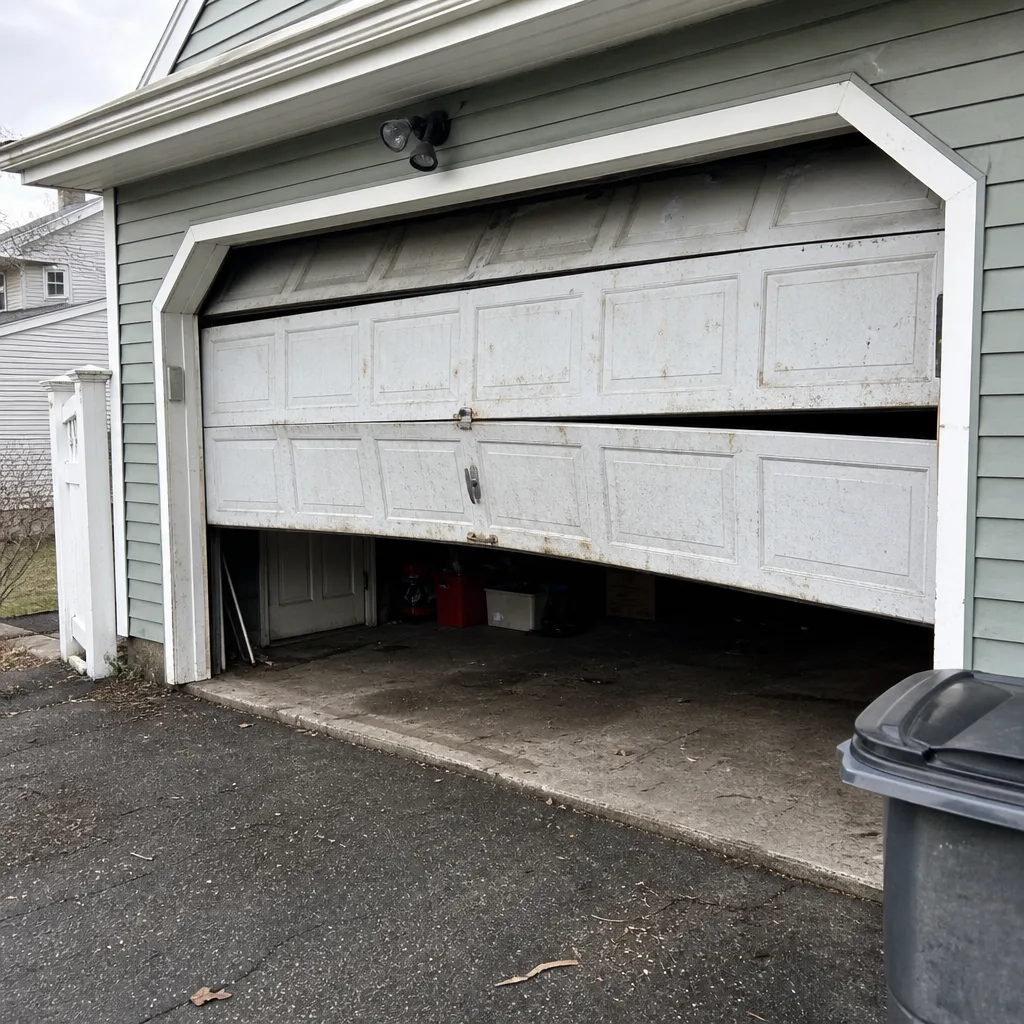 Before
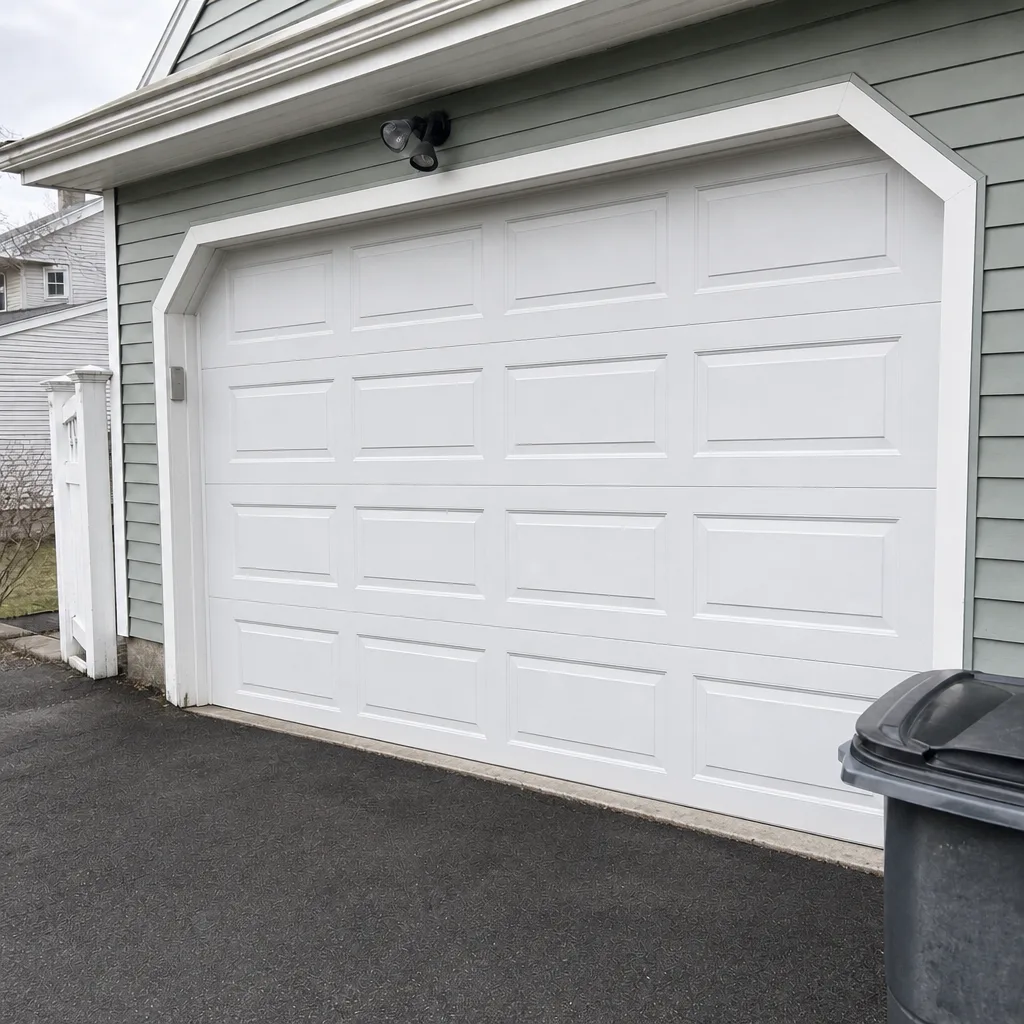 After
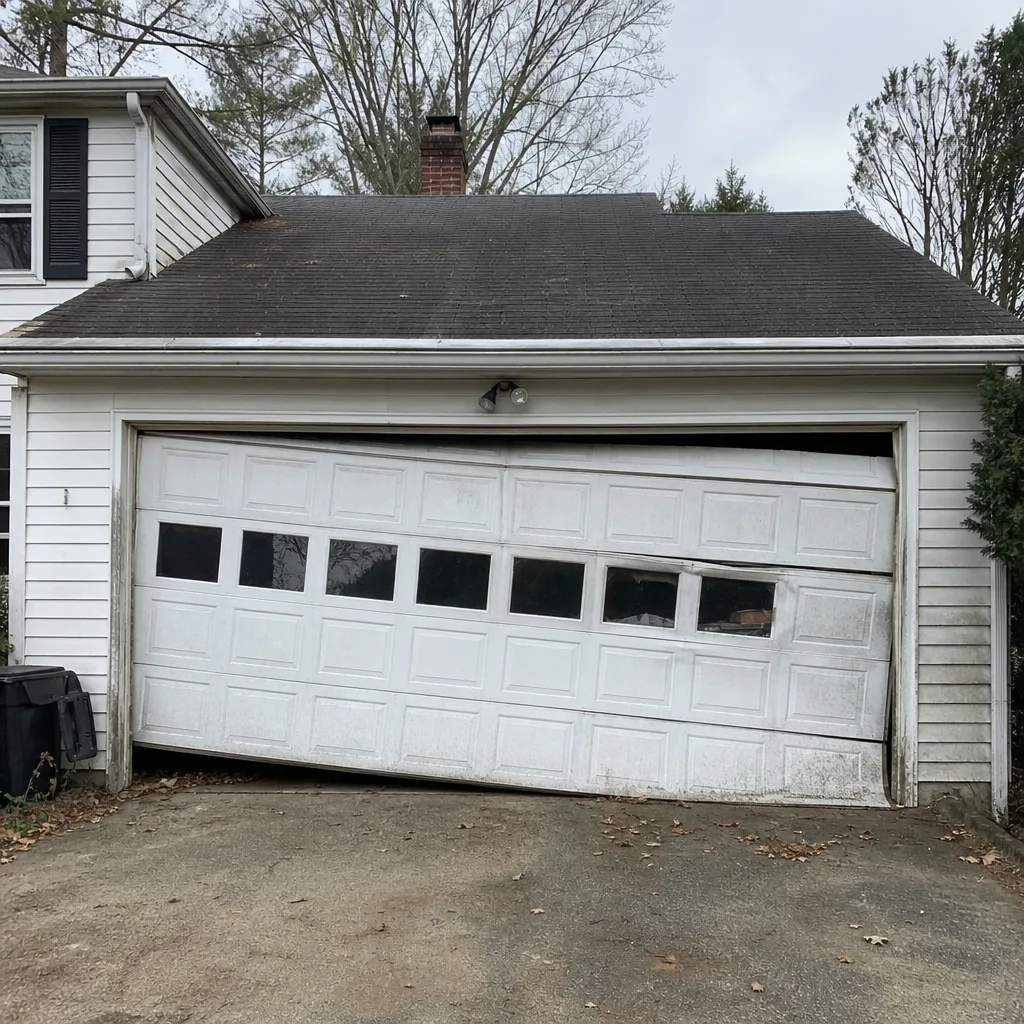 Before
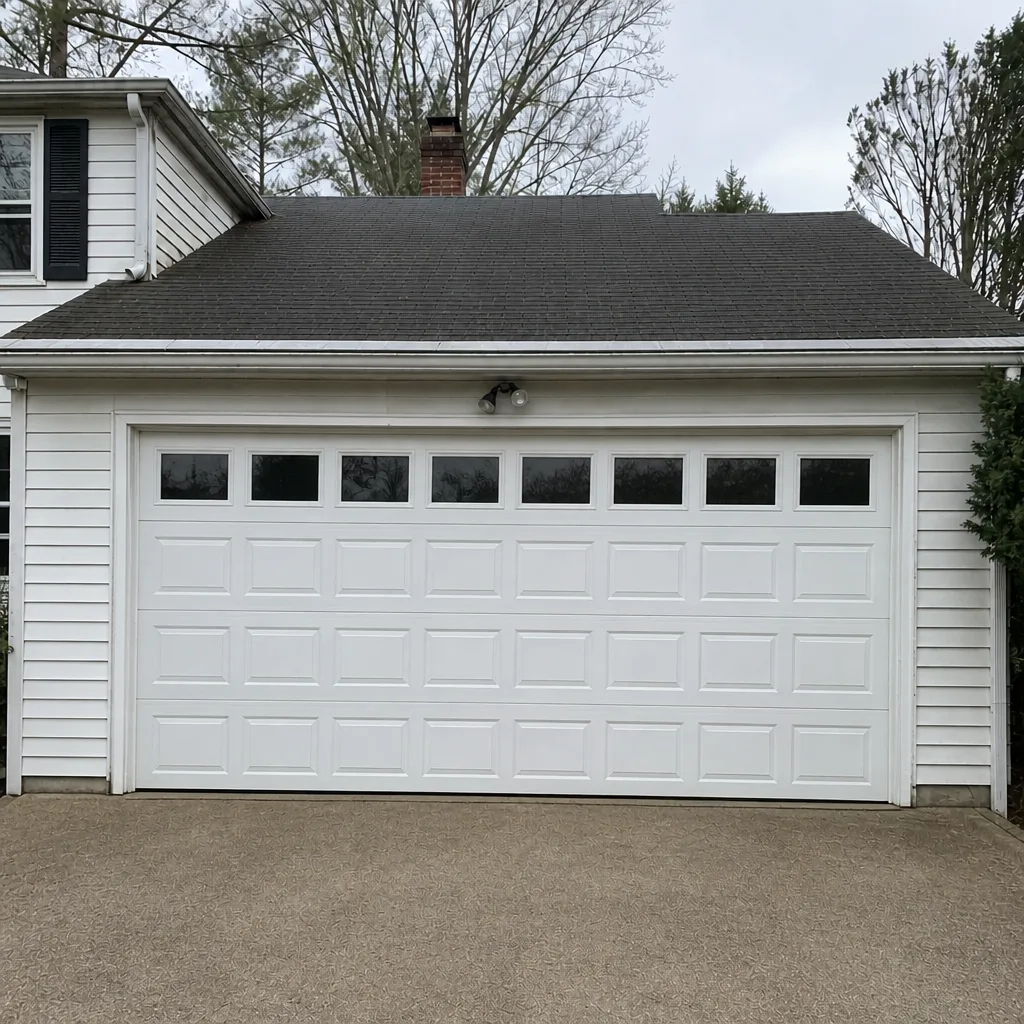 After
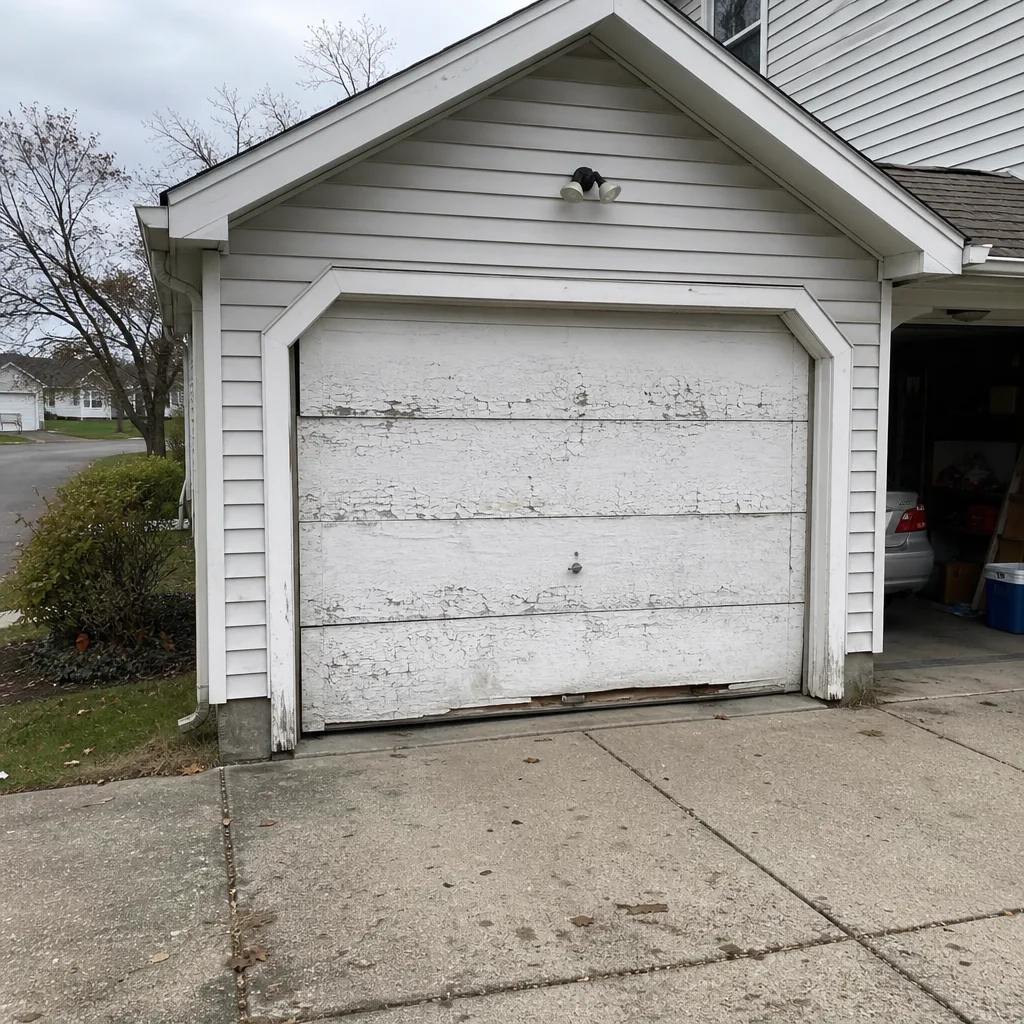 Before
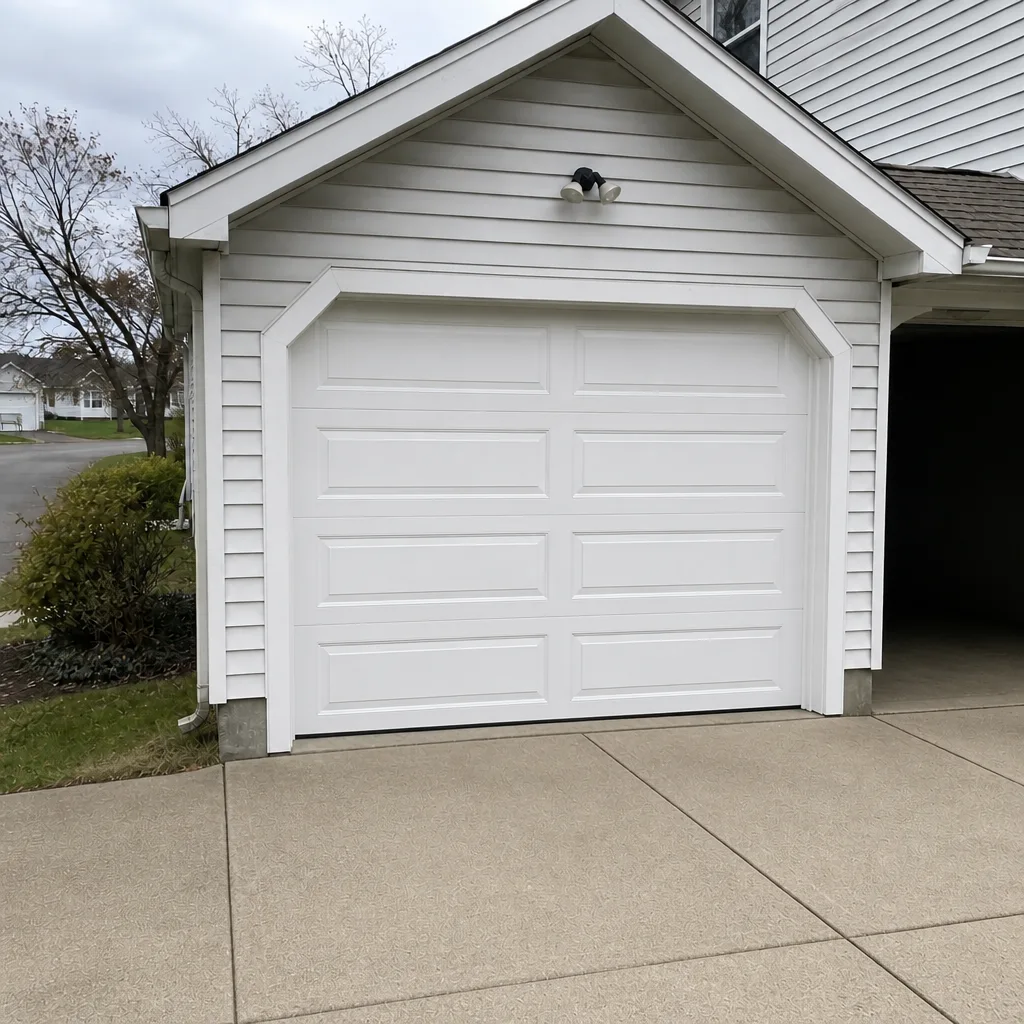 After