
Last updated November 23, 2026
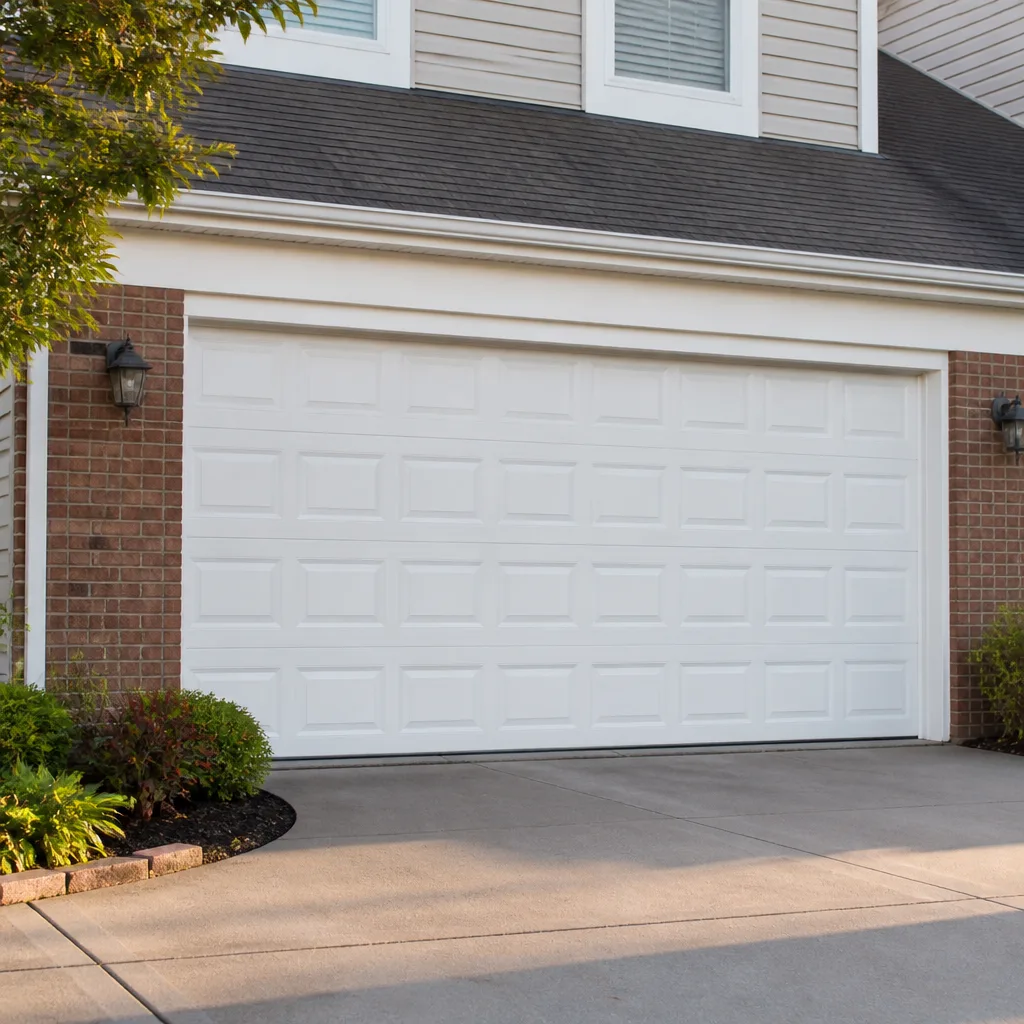 Raised-panel steel
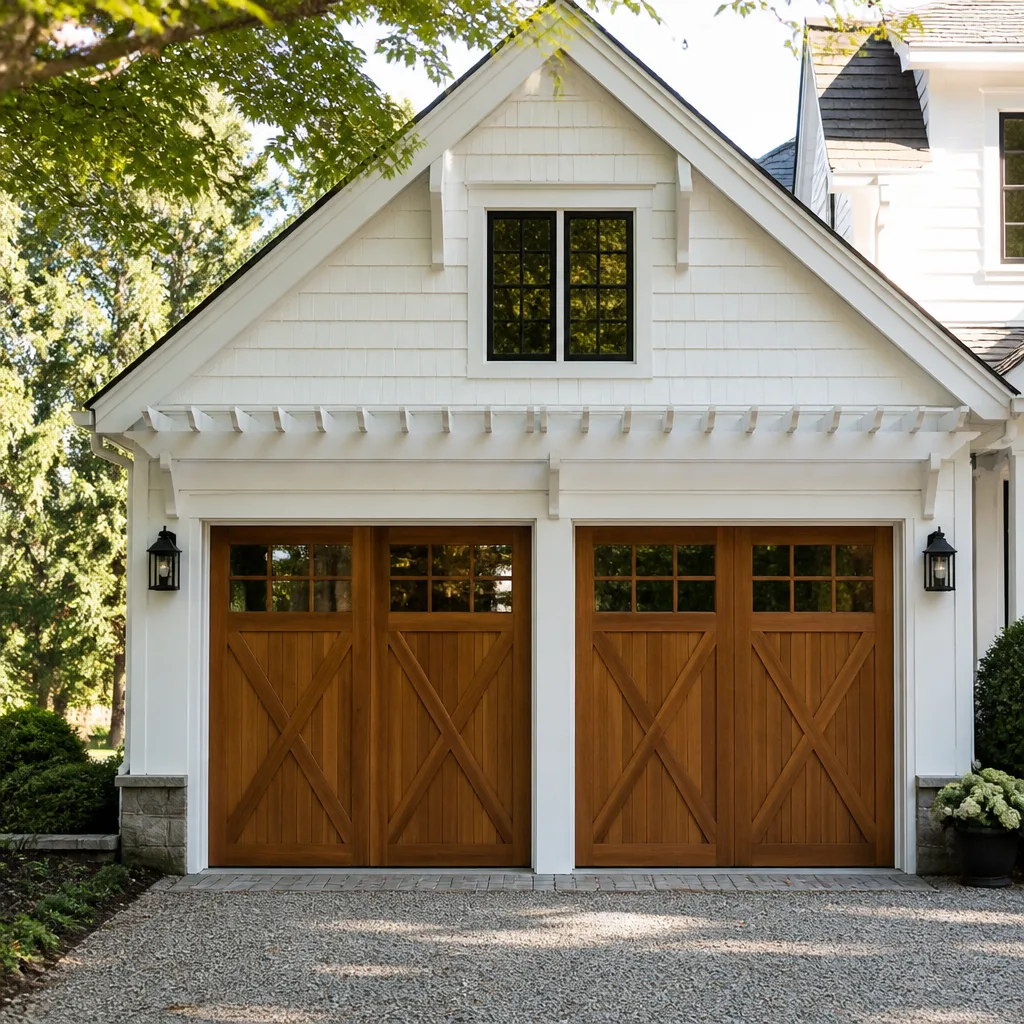 Carriage house
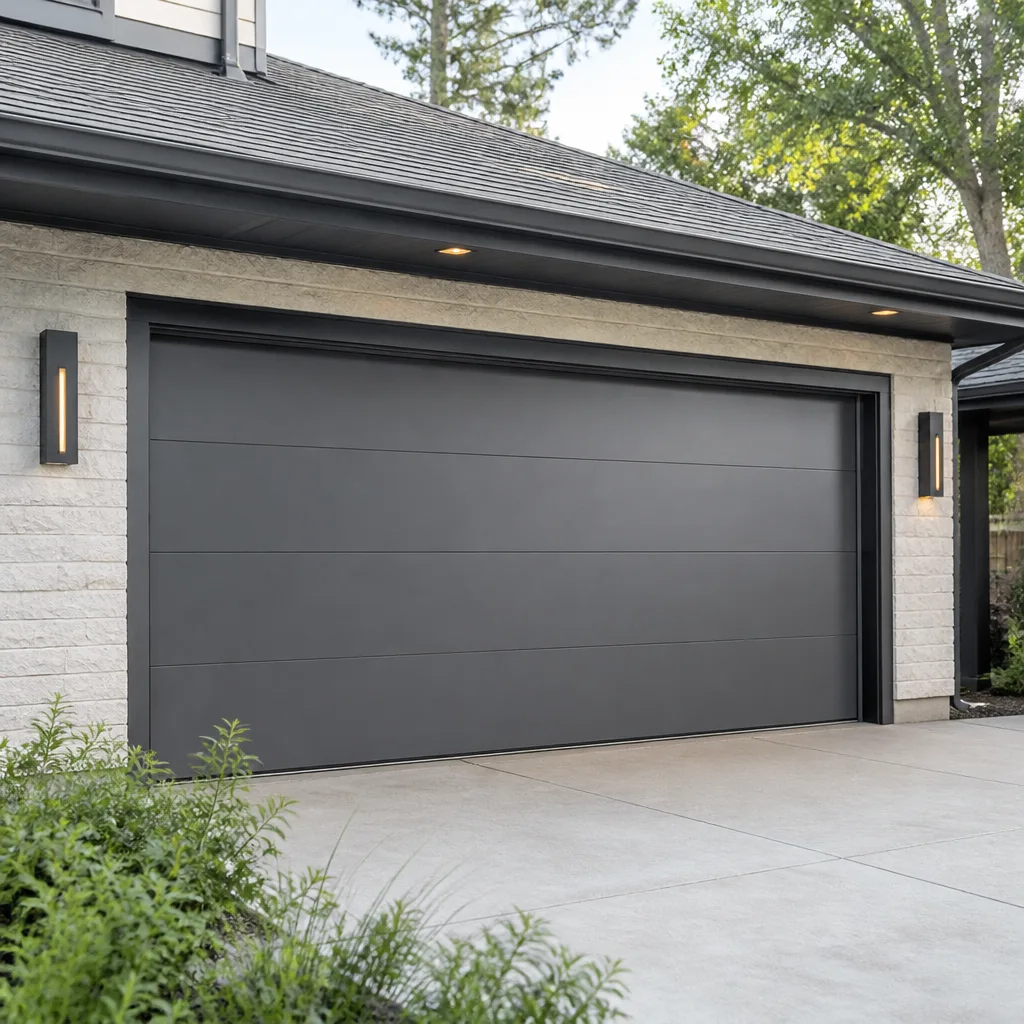 Modern flush
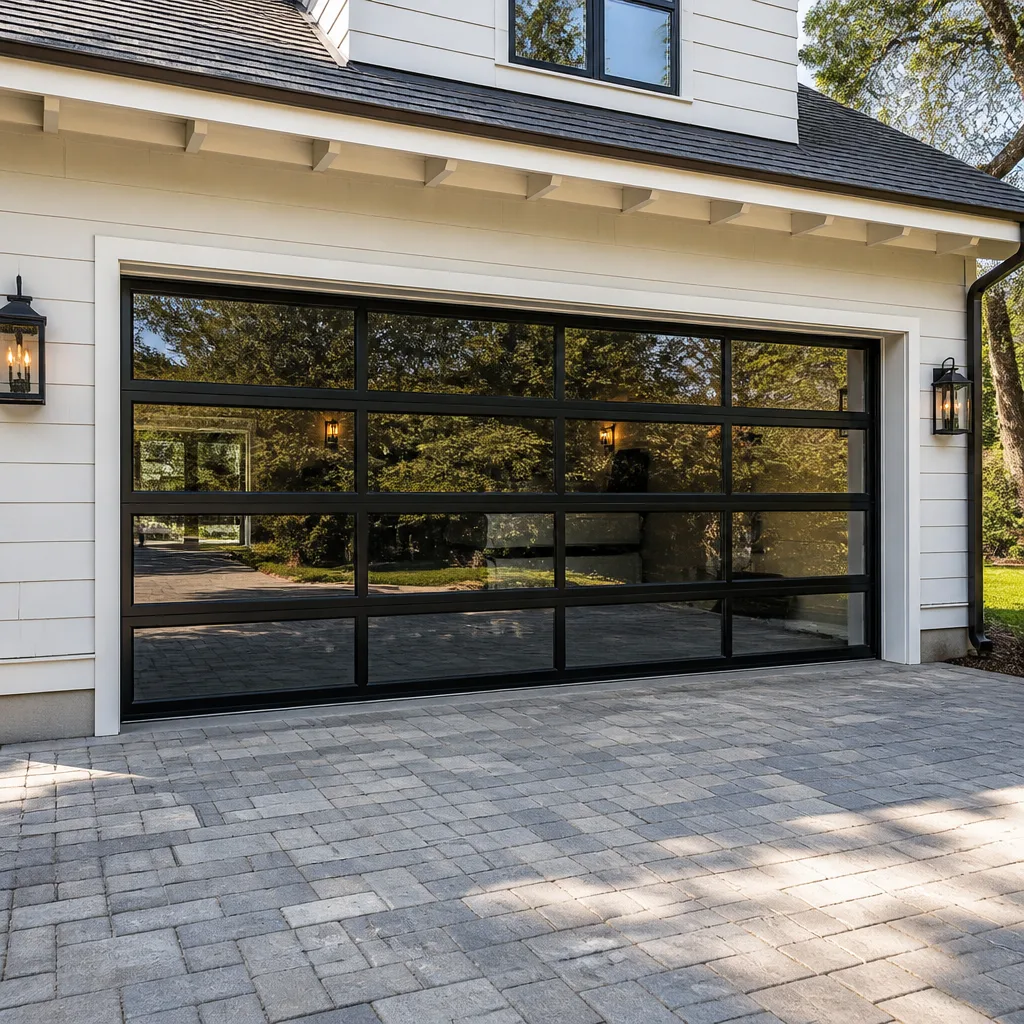 Full-view glass
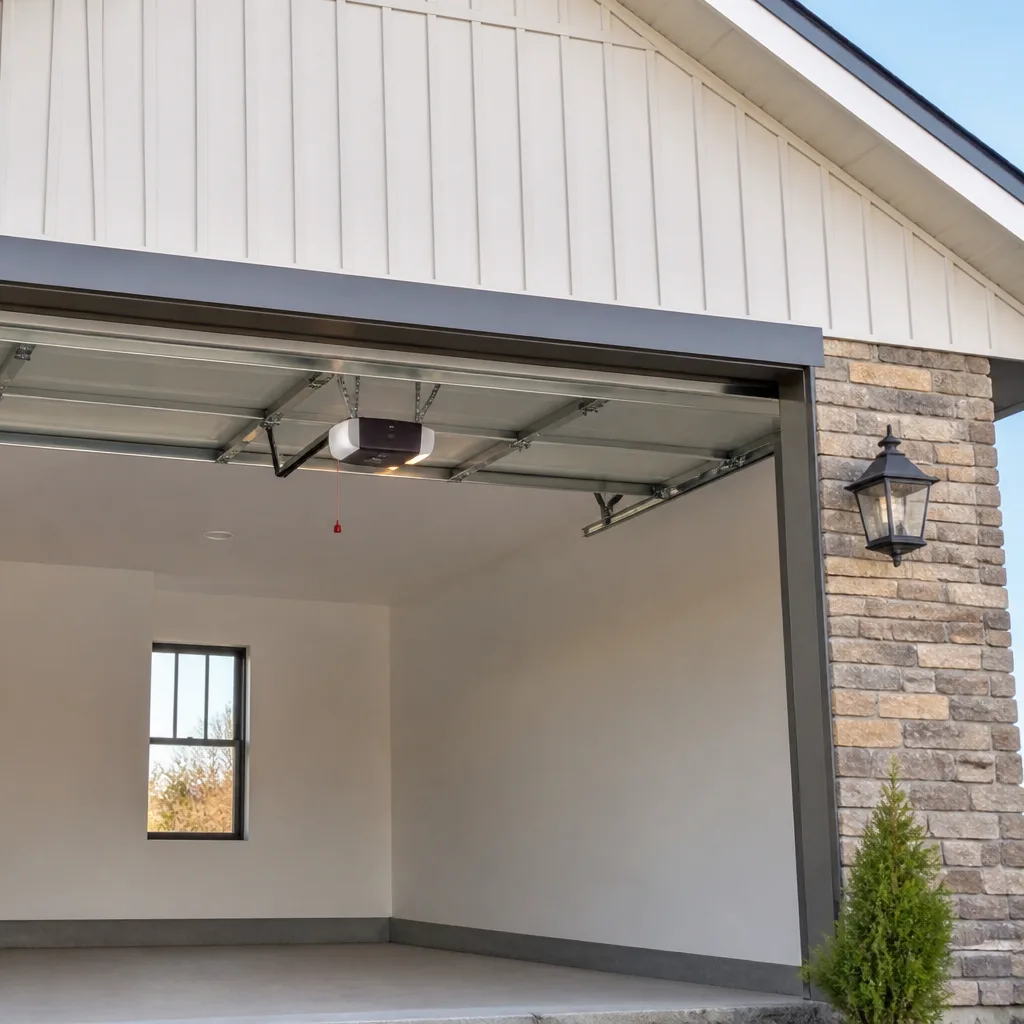 LiftMaster openers
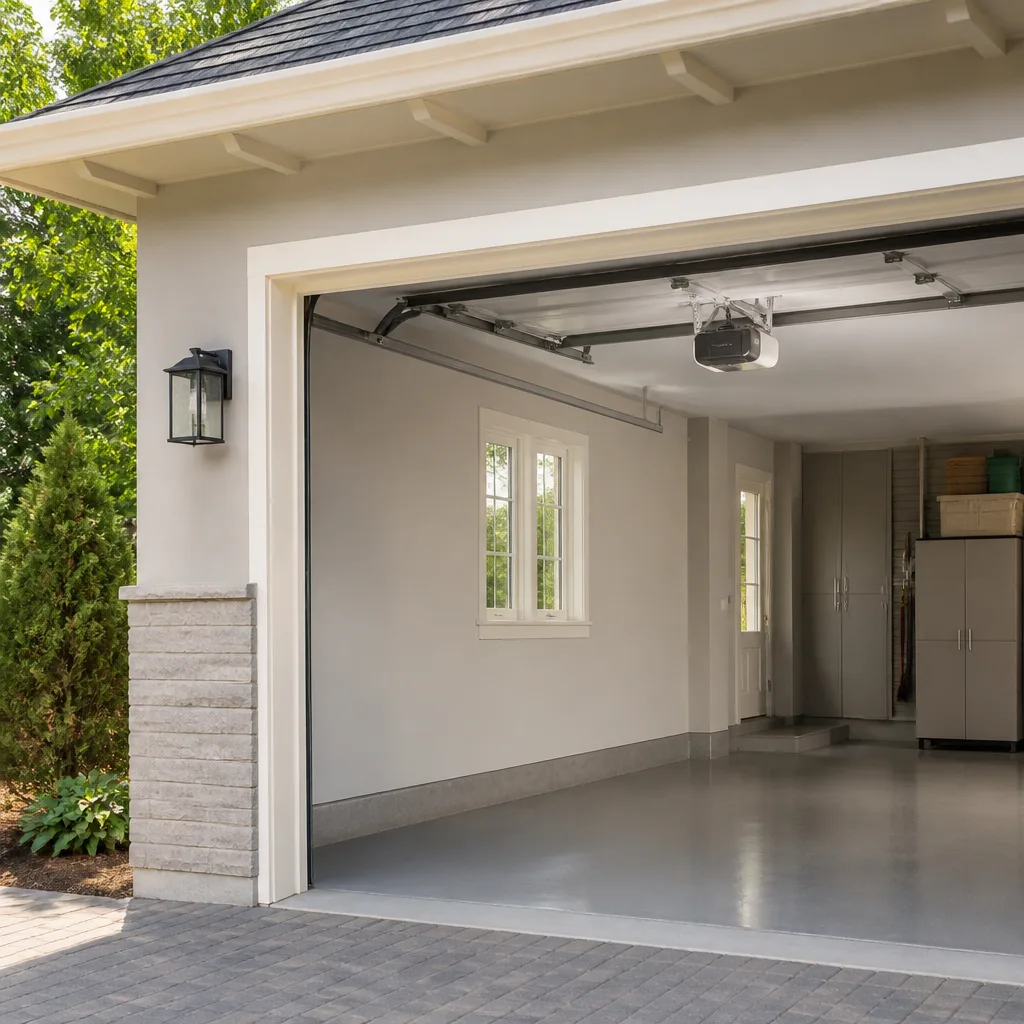 Chamberlain openers
Full 25-point door and opener safety check with every visit - springs, cables, rollers, tracks, and your LiftMaster or Chamberlain opener included
You get a price before we start. It does not change when the pro arrives.
Get your free estimateSeasonal Garage Door Care for Milford: Year-Round Homeowner’s Guide
Most garage door advice you’ll find online treats maintenance as a two-step ritual: lubricate in fall, glance at it in spring. That schedule was written for a climate that doesn’t exist here. Milford‘s doors live through a specific arc – a late-March thermal gap where afternoons hit 50°F and nights fall back to 20°F, a February freeze that can weld a bottom seal to the slab, a July humidity that swells wood panels and pinches steel track. Each season puts different stress on different parts. This guide maps the tasks to the mechanics and the weather, so you’re maintaining ahead of failure instead of reacting to it. We’ll cover what to check in Milford, in what order, and when to hand it to a specialist.
Quick Answer
Seasonal garage door care in Milford means four checkpoints a year: fall prep before the first hard freeze, weekly cold-weather awareness through winter, a structured damage audit in early spring, and humidity monitoring in summer. The single most valuable habit is a 10-minute quarterly inspection of springs, cables, rollers, seals and the opener’s force settings. Most emergency calls we handle in Milford trace back to a missed checkpoint, not bad luck.
Styles & brands we work with
- Raised-panel steel
- Carriage house
- Modern flush
- Full-view glass
- LiftMaster openers
- Chamberlain openers
Table of Contents
- Why Milford’s Climate Is Hard on Garage Doors
- Fall Prep (October-November): Beating the First Freeze
- Winter (December-February): Normal Cold vs. Warning Signs
- Spring (March-April): The Post-Winter Damage Audit
- Summer (May-September): Humidity, Swelling and Track Drift
- The 10-Minute Quarterly Habit
- Common Mistakes to Avoid
- When to Call a Professional
Why Milford’s Climate Is Hard on Garage Doors
A garage door is a machine made of steel, wood or composite, hung on springs under constant tension, rolling on bearings, and sealed with rubber. Every one of those materials responds to temperature and humidity differently. In a place with stable weather, that’s manageable. In Milford, where a single March week can swing 30 degrees between afternoon and midnight, the door’s components expand and contract against each other on a daily cycle. Steel track moves a fraction of an inch. Wood panels swell and shrink. Grease thickens in the cold and thins in the heat. None of these movements is dramatic on its own. Stacked over a season, they’re what wear a door out.
The thermal gap is the clearest example. Late March in Milford regularly delivers 50°F afternoons and 20°F nights. Over a week, that’s seven full expansion-contraction cycles on torsion springs that are already carrying the door’s full weight. Metal fatigue accumulates at the coil. Seals that were pliable at 50°F turn brittle at 20°F, then flex again the next afternoon. That daily flexing is when hairline cracks in a bottom seal become a full tear, and when an aging spring finally lets go. It’s preventable, but only if you’ve checked the spring’s condition before the cycling starts.
New England housing stock adds another variable. Older Milford homes often have uninsulated garages, which means the door itself is the thermal boundary. A steel door in an unheated garage sits at whatever the outside temperature is. A wood door absorbs moisture from the air on the interior face and dries on the exterior. Both scenarios stress the door more than a climate-controlled garage would. If your garage is attached and heated, the door sees a milder but still cycling environment. Either way, the seasonal checkpoints below apply.
We work on every major brand – LiftMaster and Chamberlain openers, Clopay and Raynor doors, and the rest of the eight we service – and the seasonal failure patterns are broadly the same across all of them. The brand affects which parts you’re checking, not whether the seasons affect them. Call (866) 937-8812 if you’d rather have a specialist walk your door’s condition with you. We answer 24/7, with fast dispatch from 7am to 7pm, Sunday through Friday.
Fall Prep (October-November): Beating the First Freeze
Fall is the season where a small amount of work saves the most money. Once the ground freezes and temperatures stay below 32°F, some maintenance becomes harder or riskier to perform. The window for easy prep is roughly October through the first hard freeze in Milford, which typically arrives in November. Here’s the order that matters.
- Test the opener’s force settings before the first freeze. Every opener has a force adjustment that tells the motor how much resistance to push through before it reverses. In cold weather, grease thickens and rollers stiffen, so the door needs more force to move. If your opener was set at the edge of its range in mild weather, a cold snap can push it past the limit – the door reverses halfway up, or stops entirely. Run the door through three full cycles on a cool morning and watch for hesitation. If it struggles, have the force settings checked and adjusted before the freeze, not after.
- Lubricate rollers, hinges and the torsion bar bearings. Use a garage-door-specific lubricant, not WD-40, which is a solvent and will strip the existing grease. A light coat on each roller stem, each hinge knuckle and the bearing plates at the ends of the torsion bar keeps everything moving freely when the cold tries to stiffen it.
- Inspect the bottom seal and the perimeter weatherstripping. A seal that’s pliable in October can crack by January. Run your hand along the bottom edge and look for flattening, gaps or small tears. If the seal is brittle enough that it cracks when you flex it, replace it before winter. A failed seal lets cold air in, which raises heating costs and lets snowmelt refreeze under the door.
- Check the door’s balance. Disconnect the opener (pull the release cord) and lift the door halfway by hand. It should stay there with minimal effort. If it sinks or rises on its own, the springs are out of adjustment or worn, and that’s a job for a trained technician – torsion springs are under extreme tension and can cause serious injury if handled without the right tools and technique.
- Clear the tracks of debris and check for bends. Fall leaves, grit and small stones collect in the track and cause the rollers to bind. Wipe the tracks clean with a damp cloth and check that the vertical and horizontal sections are straight. A bent track is a door that won’t close squarely, and in cold weather it gets worse.
- Look at the door’s exterior finish. Wood doors need a fresh coat of paint or stain before winter to keep moisture out. Steel doors with chipped paint will rust at the chip. Composite and aluminum doors generally need less, but check the joints and seams for gaps.
If any of the above turns up a problem you can’t safely fix, that’s the time to book a specialist, before the cold locks things in place. Fall is also the right season to schedule a full garage door repair visit if you’ve noticed any odd noises or uneven movement over the summer. Call (866) 937-8812 and we’ll get a free estimate on the work.
Winter (December-February): Normal Cold vs. Warning Signs
Winter is where homeowners worry most, and where the most unnecessary service calls happen – because people can’t tell the difference between a door behaving normally in the cold and a door that’s genuinely failing. Here’s how to separate the two.
What’s normal in a Milford winter
- The door moves a little slower on very cold mornings. Cold grease and stiff rollers add resistance. If it opens fully and closes fully without reversing, it’s fine.
- The opener motor sounds slightly louder. Cold metal transmits sound differently, and stiff components make more noise.
- A small amount of condensation forms on the inside of the door on cold mornings, then dries by midday. That’s normal humidity behavior, not a leak.
- The bottom seal leaves a faint mark on the floor. That’s a seal doing its job, pressing into the slab.
What’s a warning sign
- The door reverses partway up on a cold morning, then works fine in the afternoon. That’s a force-setting problem, and it will get worse with each cold cycle.
- You hear a loud bang from the garage and the door won’t lift. That’s almost certainly a snapped spring – stop using the opener immediately and call for garage door spring repair.
- The door lifts unevenly, one side higher than the other. That’s a sign of a failing spring or a cable issue. Don’t keep cycling the opener.
- The bottom seal is frozen to the floor and the door lifts with a tearing sound. That’s a real problem covered below.
- The opener strains audibly and the door barely moves. That’s a motor working past its limit, which will burn it out if repeated.
How to safely handle a door frozen to the floor
A frozen bottom seal happens in Milford when snowmelt runs under the door and refreezes overnight, or when the seal contacts a slab that’s below freezing. Don’t force the opener to break it free – you’ll either strip the opener’s gear, snap a spring, or tear the seal. Instead:
- Disconnect the opener using the release cord so the door isn’t under motor power.
- Break the ice bond from the outside with warm (not boiling) water poured along the base of the door, working in sections.
- Once the seal is free, lift the door by hand to confirm it’s not stuck elsewhere.
- Reconnect the opener and run one cycle. If the door struggles, stop and call a specialist.
If your door is frozen shut and you need it open, we answer 24/7 at (866) 937-8812. Fast dispatch from 7am to 7pm, Sunday through Friday. A call outside dispatch hours is booked into the next opening, Sunday through Friday, 7am to 7pm. We don’t schedule Saturday work.
Spring (March-April): The Post-Winter Damage Audit
Spring is the most important inspection window of the year in Milford, because winter leaves wear that doesn’t announce itself until something breaks. The thermal gap in late March – 50°F days, 20°F nights – is when accumulated fatigue turns into failure. The audit below is the order that makes sense: cheapest and easiest checks first, then the ones that need a closer look, then the ones that require a technician.
- Walk the door’s path and look at the floor. Check for debris, ice remnants, and any sign the door has been dragging. Look for scrape marks on the slab that weren’t there in the fall.
- Run the door through a full open-close-open cycle and listen. Normal operation is a steady hum from the opener and a soft roll from the door. Grinding, squealing, popping or a rhythmic thump are all signals to look further. Note where along the travel the noise happens.
- Check the springs visually from a distance. Look at the torsion spring above the door (the horizontal spring on the shaft) or the extension springs on either side (the springs running parallel to the horizontal tracks). A gap in the coil, a stretched section, or visible rust are all signs of wear. Do not touch, adjust or attempt to wind a spring. They’re under extreme tension, and the injury risk is real.
- Inspect the cables. The cables run from the bottom corners of the door up to the spring system. Look for fraying, kinks or slack. A cable that’s come off its drum is a door that could drop. Stop using the door and call for help.
- Check the rollers and hinges. Rollers should turn freely by hand. Worn steel rollers develop flat spots; nylon rollers can crack. Hinges should move without squealing. Replace as needed.
- Test the safety reverse. Place a 2×4 flat on the floor in the door’s path and close the door. It should reverse on contact. If it doesn’t, the opener’s safety system needs adjustment before you use the door again.
- Examine the seal and weatherstripping again. Winter is brutal on seals. If the bottom seal is torn, flattened or separated at the corners, replace it now – spring is the right season, before the summer heat makes the rubber tacky.
- Look at the door’s paint and finish. Salt from Milford roads, freeze-thaw cycles and UV exposure all age a door’s exterior. A fresh coat in spring protects against the summer sun and the following winter.
If the audit turns up anything under item 3 or 4 – springs or cables – stop and call us. Those are the two areas where the DIY attempt is genuinely dangerous. For everything else, spring is the season to book any garage door repair work you’ve been putting off. Free estimates, and no surprise charges once we’re on site.
Summer (May-September): Humidity, Swelling and Track Drift
Milford summers are humid, and humidity does things to a garage door that cold weather doesn’t. The most common summer issues we see are on wood doors and on doors whose tracks were installed tight in dry weather.
Wood doors: moisture is the enemy
Wood absorbs moisture from humid air. Panels swell, joints tighten, and the door’s overall dimensions shift by fractions of an inch. On an older wood door, that swelling shows up as panels binding against the frame, gaps opening at the seams, and the bottom seal pulling away at the corners. Paint is the first line of defense – a well-sealed wood door absorbs far less moisture than one with exposed grain. If your wood door is more than a few years old and the paint is thinning, summer is the right time to refinish it: warm, dry weather lets the new coat cure properly and gives the best protection.
Track drift: the summer hum
Steel track expands in heat. On a door installed in cool weather with tight tolerances, summer expansion can cause the rollers to bind in the track, which shows up as a door that hesitates mid-travel or a rhythmic scraping noise. The fix is usually a simple adjustment of the track brackets, but it’s one that needs a careful hand – bend the track too far and the door won’t track properly at all. If your door runs smoothly in winter and hesitates in July, track drift is the likely cause.
Seals, lubrication and opener settings
- Summer heat makes rubber seals tacky. Wipe them with a silicone-based protectant to keep them pliable, and check that they’re not sticking to the slab.
- Lubrication in spring carries through most of summer, but if the door gets noisy in August, a light reapplication on the rollers and hinges helps.
- Opener force settings that were fine in winter may be too aggressive in summer, when the door moves more freely. This is a good time to have them checked alongside the annual service.
If you’ve got a wood door showing moisture damage or a steel door that’s started to bind, call (866) 937-8812 for a free estimate. Our technicians have up to 9 years of experience working with the major brands, including LiftMaster, Chamberlain and Craftsman openers and Raynor doors, and can tell you whether a repair or a replacement is the right call.
The 10-Minute Quarterly Habit
You don’t need to become a garage door expert to prevent most failures. You need 10 minutes, once a season, in a fixed order. Here’s the routine we recommend to Milford homeowners. It’s built so that the easy checks come first and the ones that need a professional eye come last.
- Minute 1: Look at the door from outside. Is it sitting square in the frame? Are there new dents, dings or signs of impact? Any change since last quarter?
- Minute 2: Walk the perimeter of the garage floor. Any debris in the track, any scrape marks on the slab, any sign the door’s been dragging?
- Minute 3: Open and close once and listen. New noises? Different speed? Any hesitation at the same point in the travel?
- Minutes 4-5: Look at springs and cables from a safe distance. Don’t touch. Just note: any visible gap in a spring, any rust, any fraying or slack in a cable?
- Minutes 6-7: Check the bottom seal and the side weatherstripping. Run your hand along them. Pliable? Any tears, flattening or gaps?
- Minute 8: Test the safety reverse. 2×4 on the floor, close the door, watch it reverse. If it doesn’t, stop using the opener until it’s adjusted.
- Minutes 9-10: Lubricate if needed and log anything you noticed. A quick note in your phone – date and what you saw – makes the next quarter’s check faster and gives a specialist a much clearer picture if something’s evolving.
The habit pays off in two ways. First, you catch small issues (a seal starting to crack, a roller binding) before they become expensive ones. Second, when you do book a service call, you can tell the technician exactly what you noticed and when, which shortens the diagnostic and often the labor. It’s the single most effective thing you can do to keep service visits short and your garage door opener repair costs down over a door’s life.
Common Mistakes to Avoid
- Using WD-40 as a lubricant. It’s a solvent, not a grease. It’ll strip the existing lubricant from rollers and hinges, and the door will run worse two weeks later. Use a garage-door-specific spray.
- Ignoring a strange noise for a whole season. A grinding opener or a scraping track is cheap to fix if caught early and expensive if the motor burns out or the track warps beyond repair. Milford’s temperature swings amplify small problems faster than most climates do.
- Forcing the door past a stuck seal. Snowmelt refreezing under the door is common here in January and February. Running the opener through it can snap a spring or strip the opener’s gear. Break the ice bond first, then open.
- Adjusting the opener’s force settings too high. If your door needs more force than the recommended spec, that’s telling you something’s wrong with the door, not the opener. Adding force masks the real problem until something fails.
- Skipping the safety reverse test. We see this most often. If your door doesn’t reverse on contact, it’s a genuine safety issue, and it takes 30 seconds to test.
- DIY spring work. Torsion springs carry the full weight of the door and are under enormous tension. The wrong technique can release that tension in an instant. Spring work is the one job in garage door care to hand to a specialist without question.
- Waiting until something breaks to call. A snapped spring is an emergency. A worn spring is a scheduled repair. The difference in cost and hassle is significant, and the quarterly habit above is how you catch the second before it becomes the first.
When to Call a Professional
Some seasonal maintenance is safe for a homeowner: wiping tracks, testing the safety reverse, replacing a bottom seal, lubricating rollers. Some is not. Call a specialist when you see any of the following: a visible gap or coil separation in a spring, any kink or fraying in a cable, a door that lifts unevenly or won’t stay in a raised position when disconnected from the opener, a loud bang followed by a door that won’t lift, an opener that strains or reverses partway, or a track that’s visibly bent. These are the areas where the wrong hand makes things worse, and where the risk of injury to anyone nearby is real.
Garage Door Repair Milford Pros offers free estimates in Milford – call (866) 937-8812. We answer 24/7, with fast dispatch from 7am to 7pm, Sunday through Friday. Our technicians have up to 9 years of experience and work on every major brand, including LiftMaster, Chamberlain and Craftsman openers and Raynor doors. When it’s time for a new door, we handle Garage Door Repair Milford Pros installation alongside the repair work, so you’re not calling a second company for the replacement.
See the difference
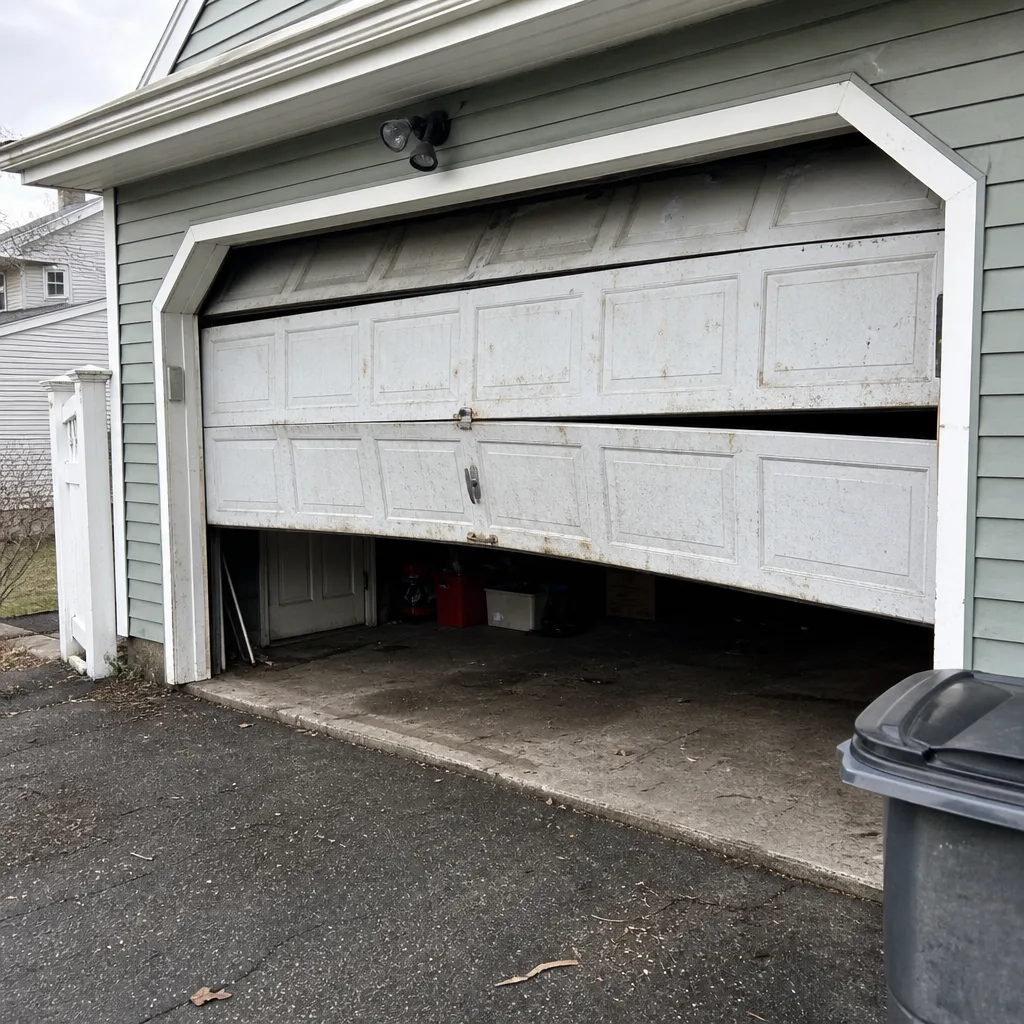 Before
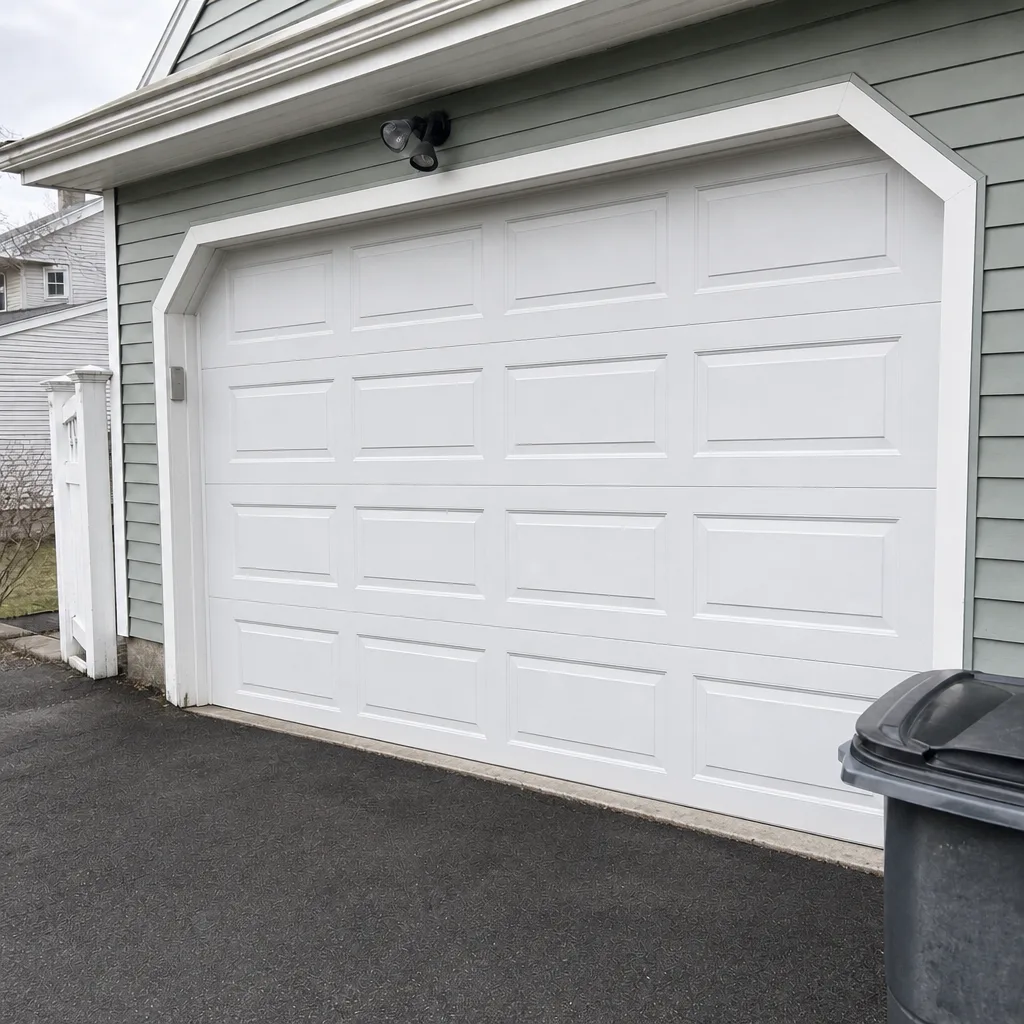 After
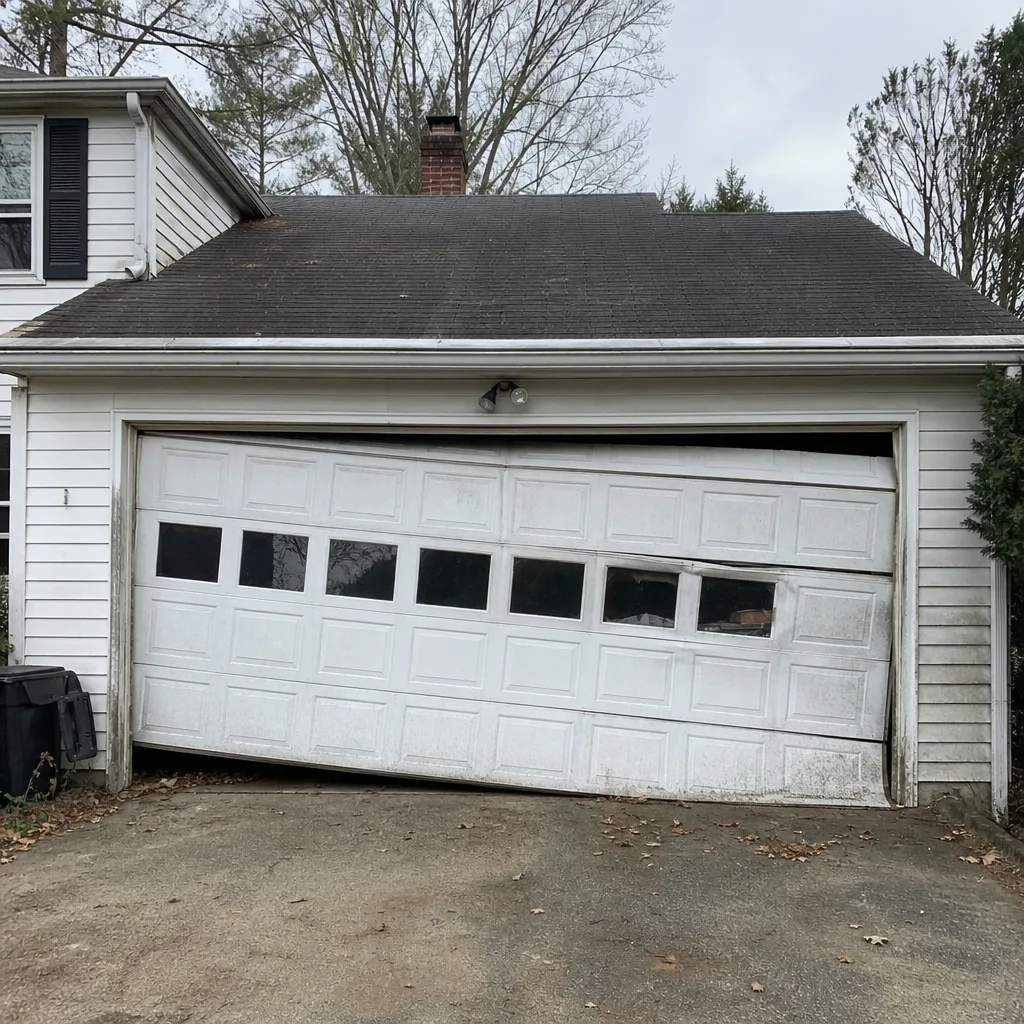 Before
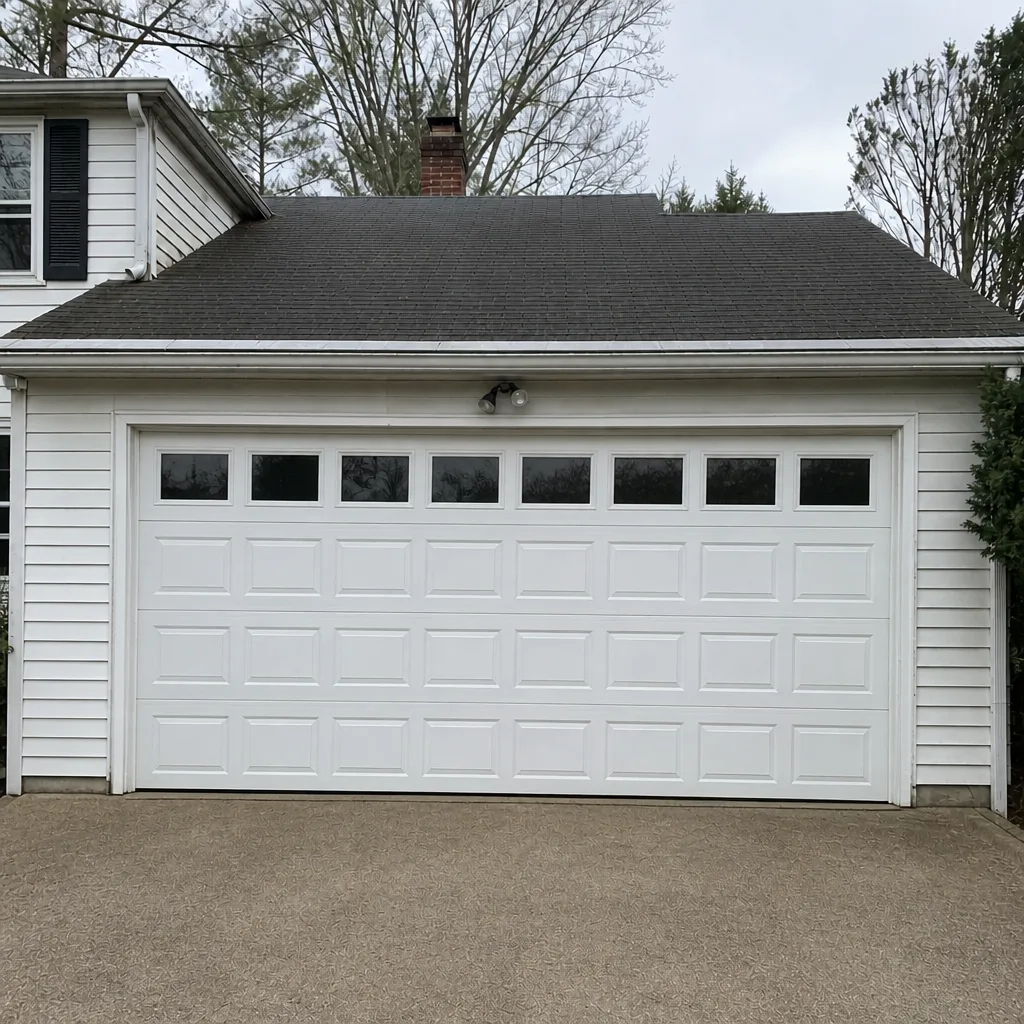 After
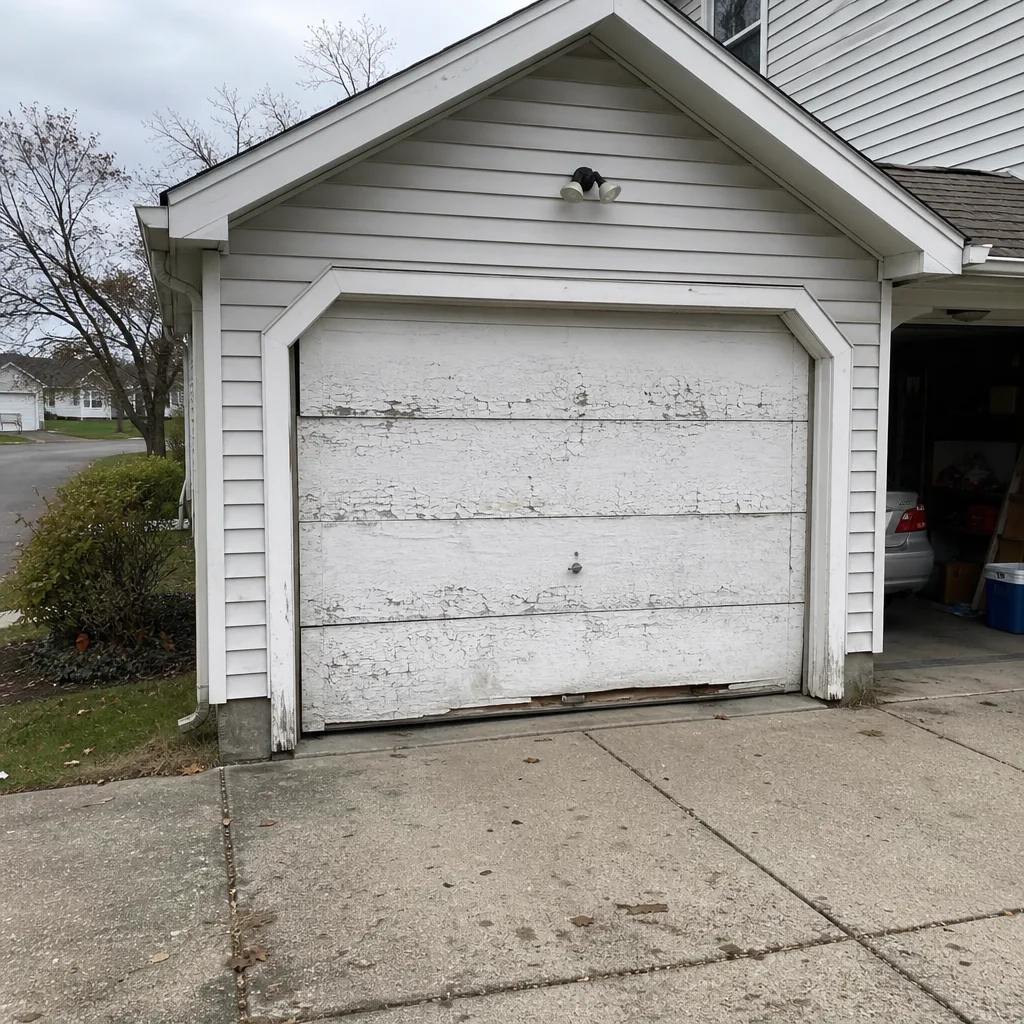 Before
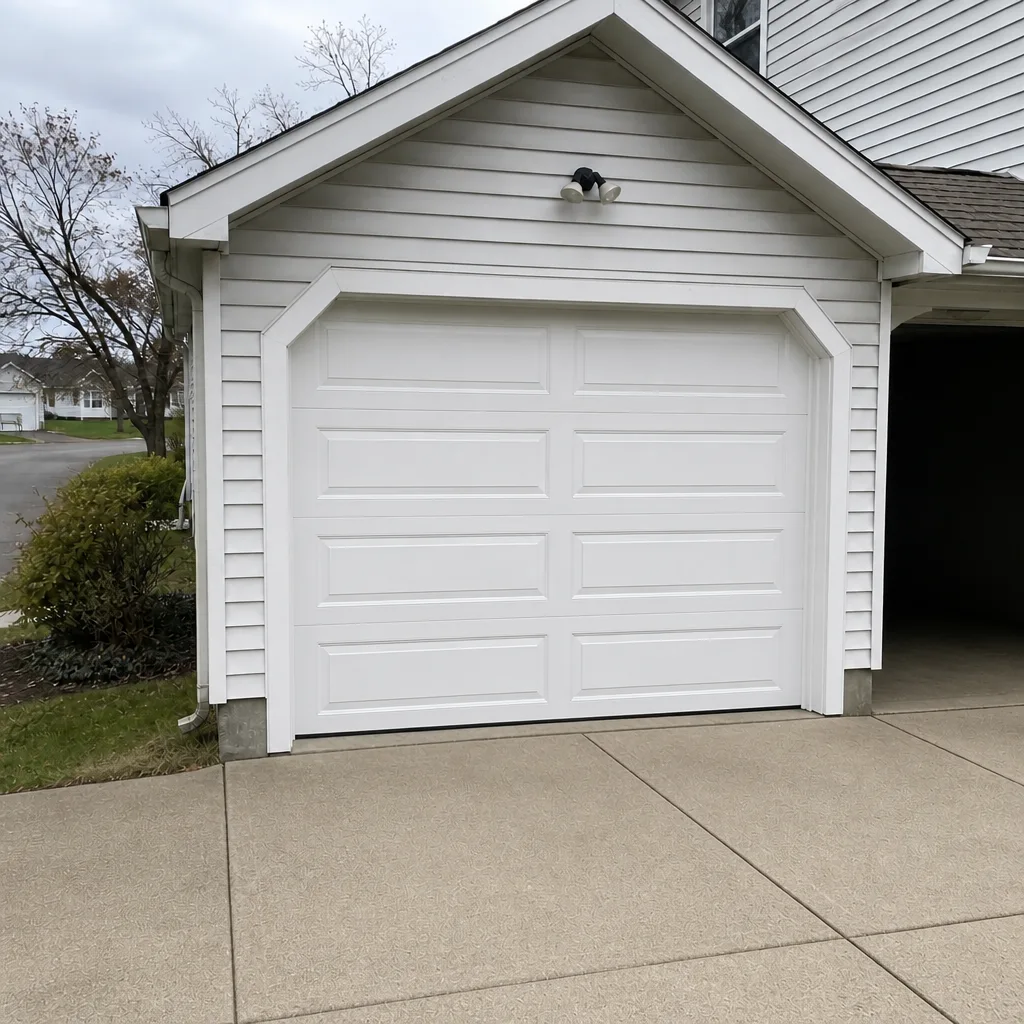 After
Frequently Asked Questions
Twice a year is the minimum we’d recommend: once in fall before the first hard freeze, and once in spring after the winter’s done its wear. Between those visits, the 10-minute quarterly habit above catches the small issues before they become expensive ones. Doors on older Milford homes with uninsulated garages often benefit from a third check in midsummer, when humidity peaks.
Almost always an opener force-setting issue made worse by cold. Cold grease and stiff rollers add resistance, and an opener set at the edge of its range reverses when it hits that resistance. It’ll get worse as temperatures drop. Call (866) 937-8812 for a free estimate to have the force settings checked and adjusted before it leaves you locked out on a cold morning.
No. If you’ve heard a bang and the door won’t lift, or you can see a gap in a torsion or extension spring, stop using the opener immediately. The door is being held by the opener’s motor instead of the spring, which will burn out the motor and risks the door coming down unexpectedly. Call us for garage door spring repair. We answer 24/7 at (866) 937-8812, and a call outside dispatch hours is booked into the next opening, Sunday through Friday, 7am to 7pm.
Fall, without question. The work you do in October and early November – testing force settings, lubricating, checking seals and springs – is what gets you through the winter without an emergency call. The thermal gap in late March is the season that breaks a door that wasn’t prepped, but the failure started the previous fall. The spring audit is the second most important, because it catches the damage before summer.
No, and we’d strongly advise against attempting it. Torsion springs carry the full weight of the door under extreme tension. A mistake in winding or releasing them can cause serious injury, and the wrong replacement spring can also damage the door’s balance and the opener. This is the one job in garage door care that should always go to a specialist.
Disconnect the opener with the release cord first, then break the ice bond with warm (not boiling) water along the base of the door. Never run the opener against a frozen seal – it will snap a spring or strip the opener gear. Once the door is free, check the seal for tears. If the seal is cracked or flattened, replace it, or call (866) 937-8812 for a free estimate on seal replacement.
The Bottom Line
Seasonal garage door care in Milford is less about a checklist and more about understanding what your door is dealing with across the year. The thermal gap in late March snaps springs that weren’t checked in the fall. A wet winter tests seals and cables. A humid summer stresses wood and steel track. The homeowner who does 10 minutes of inspection each quarter, and books a specialist for springs, cables and anything that looks genuinely wrong, will spend less on repairs and less time locked out of the garage. If you’d rather have a trained eye on your door than run the checks yourself, call (866) 937-8812. Free estimates, and the written quote is the price you pay.
Written by the team at Garage Door Repair Milford Pros.