
Last updated November 23, 2026
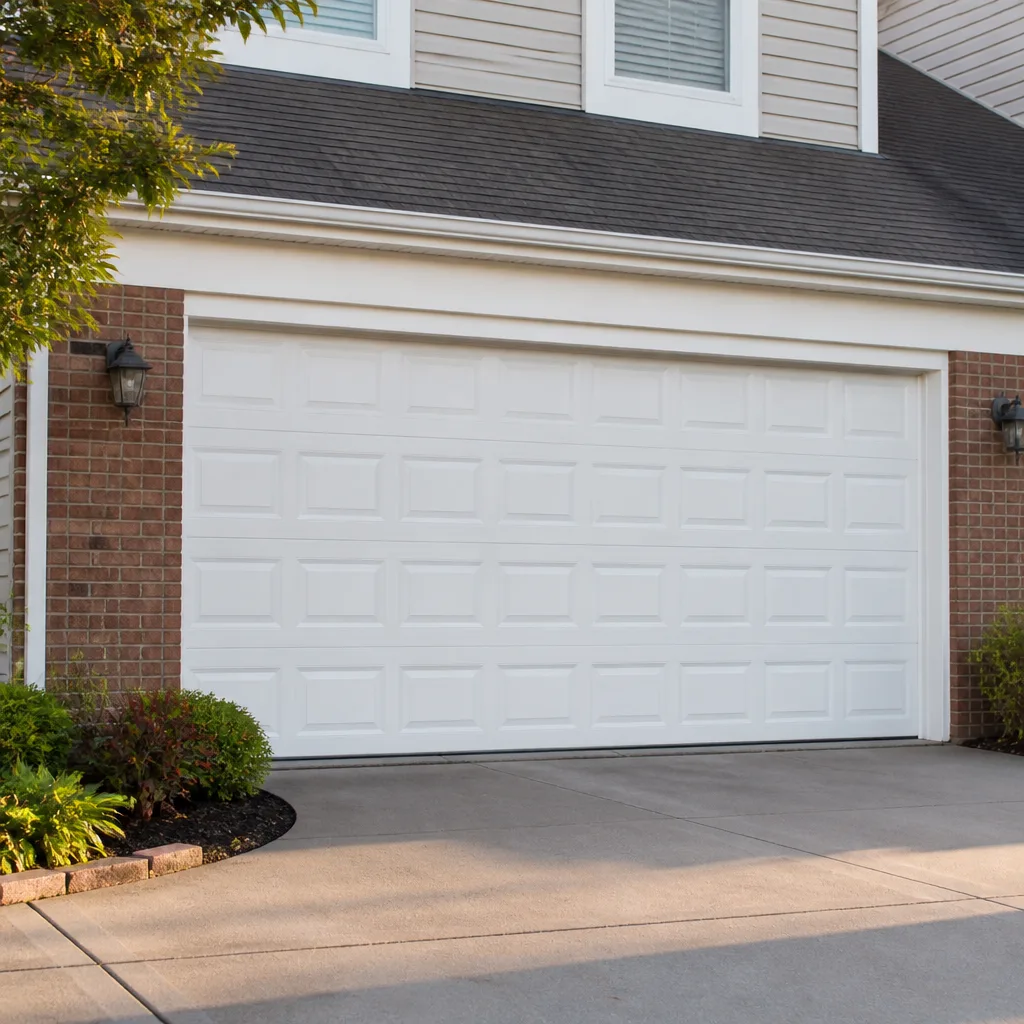 Raised-panel steel
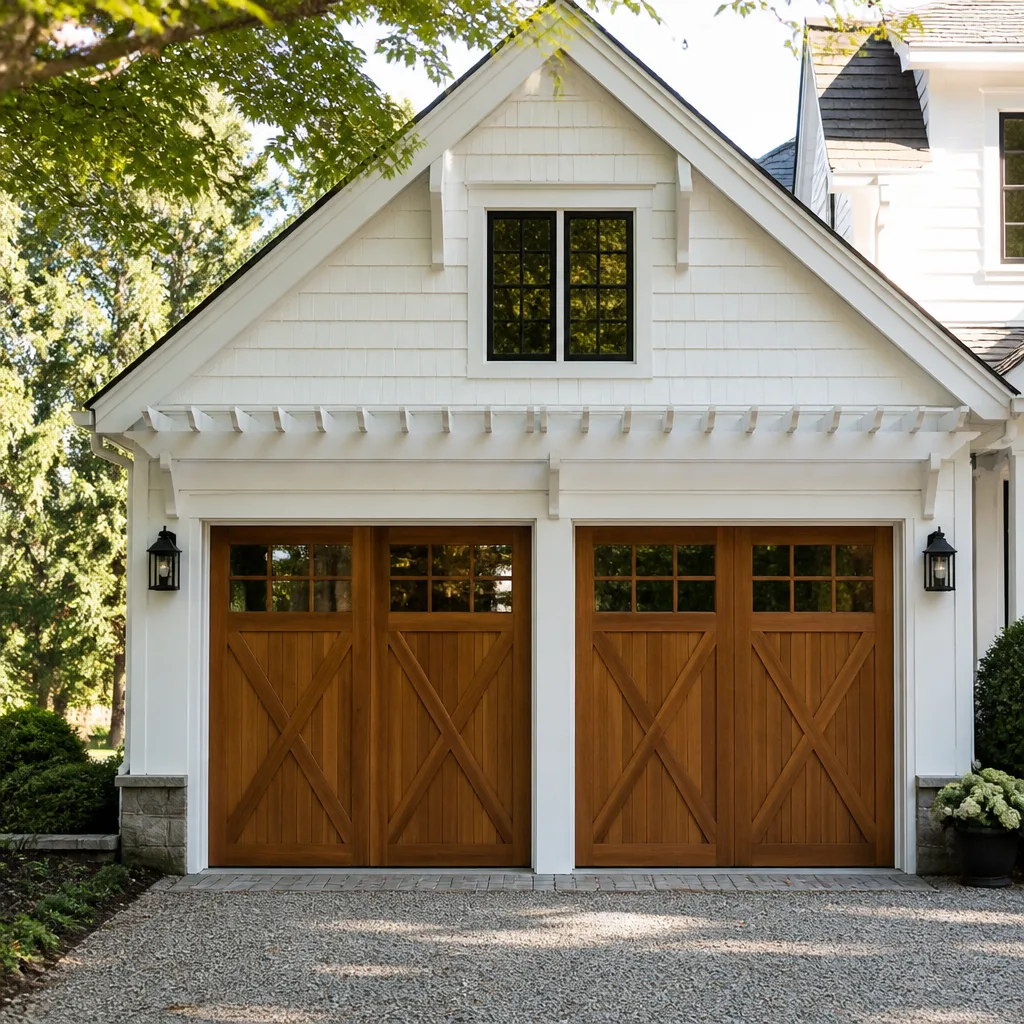 Carriage house
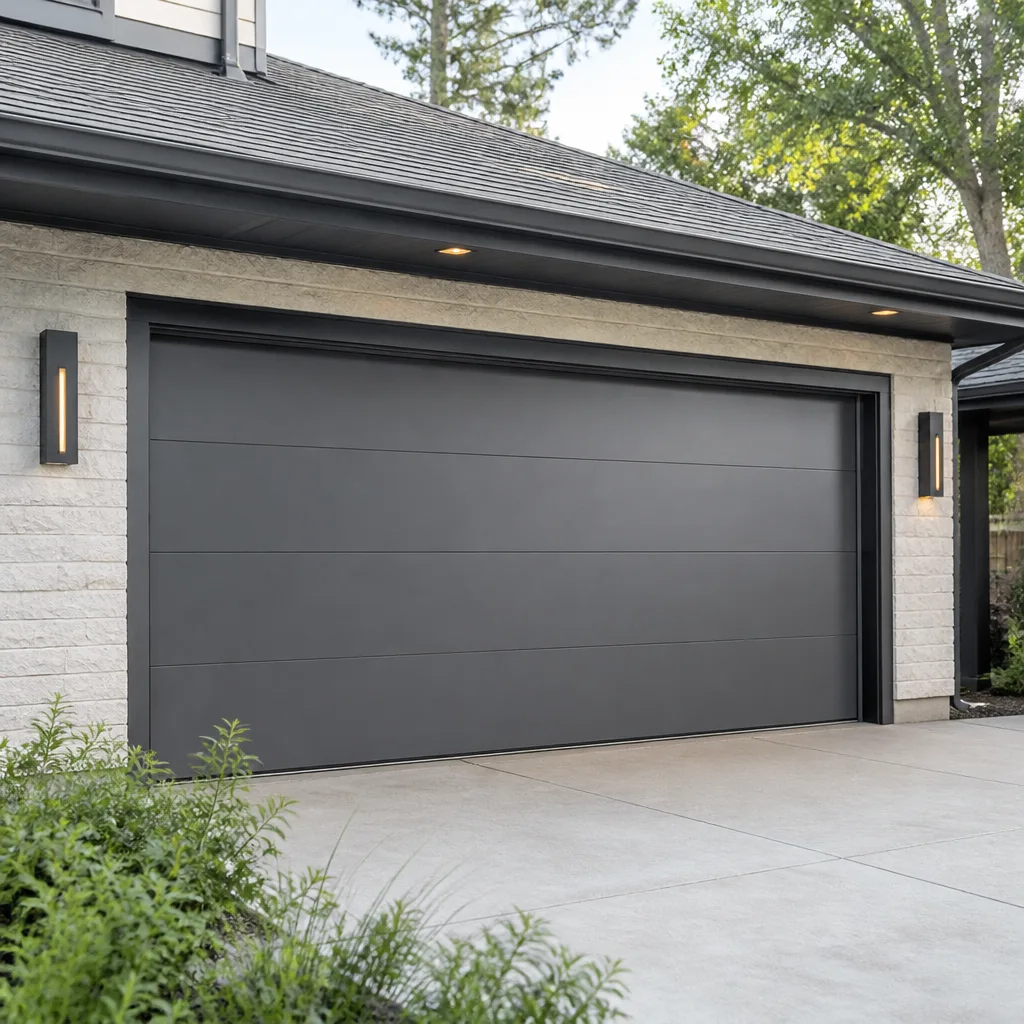 Modern flush
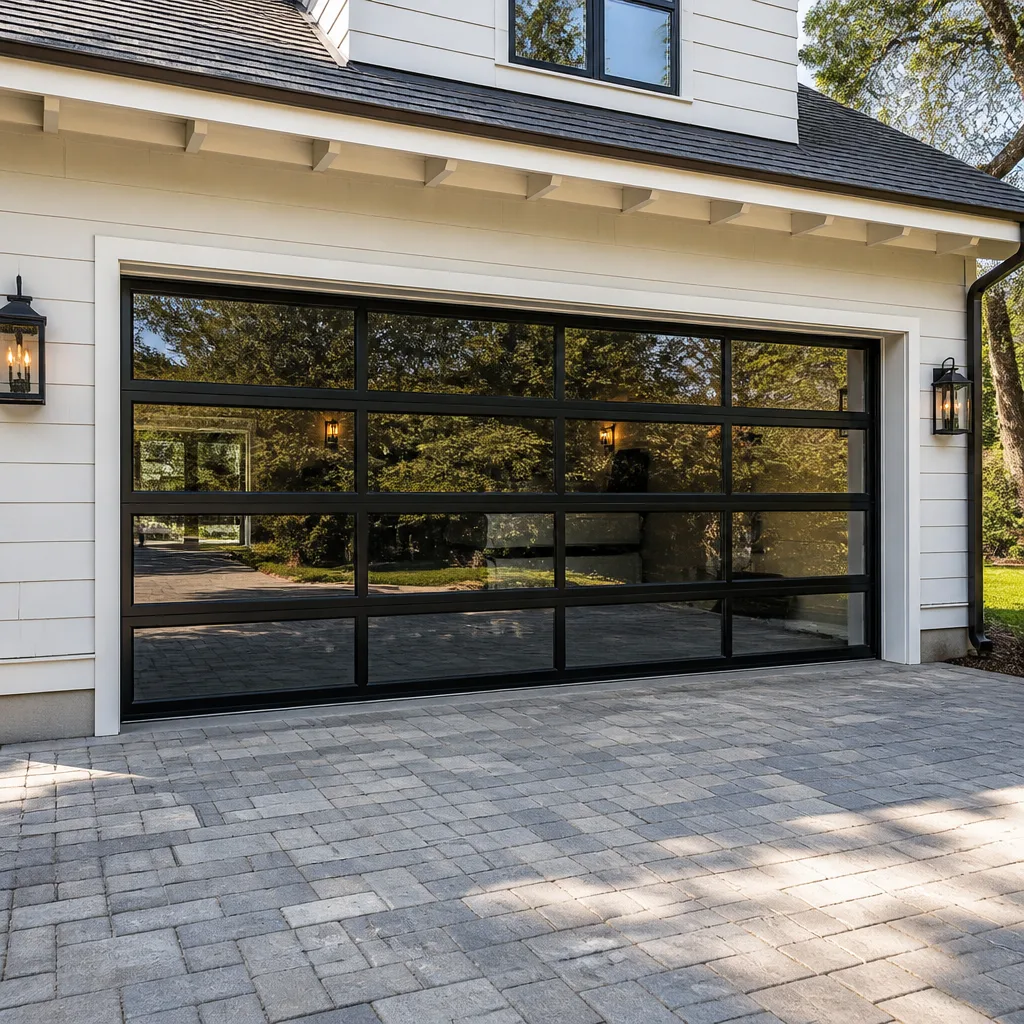 Full-view glass
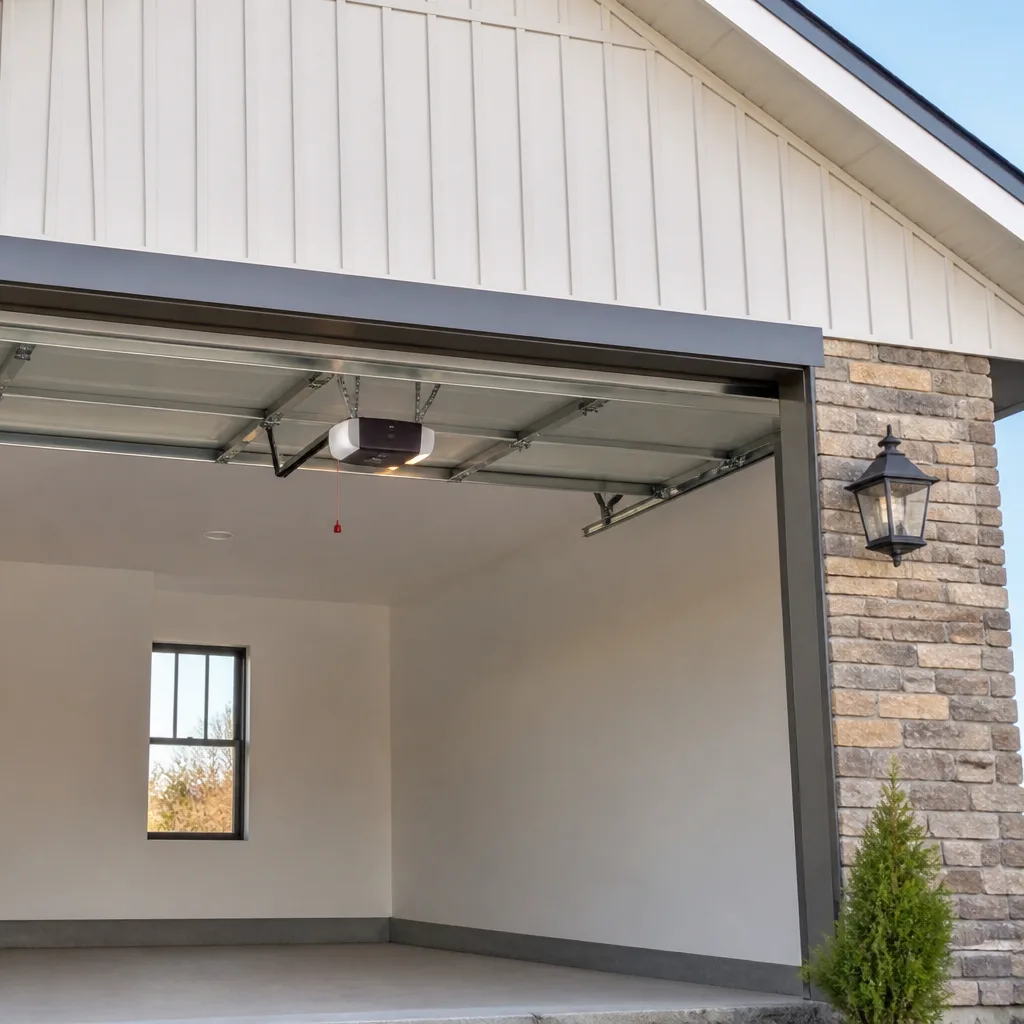 LiftMaster openers
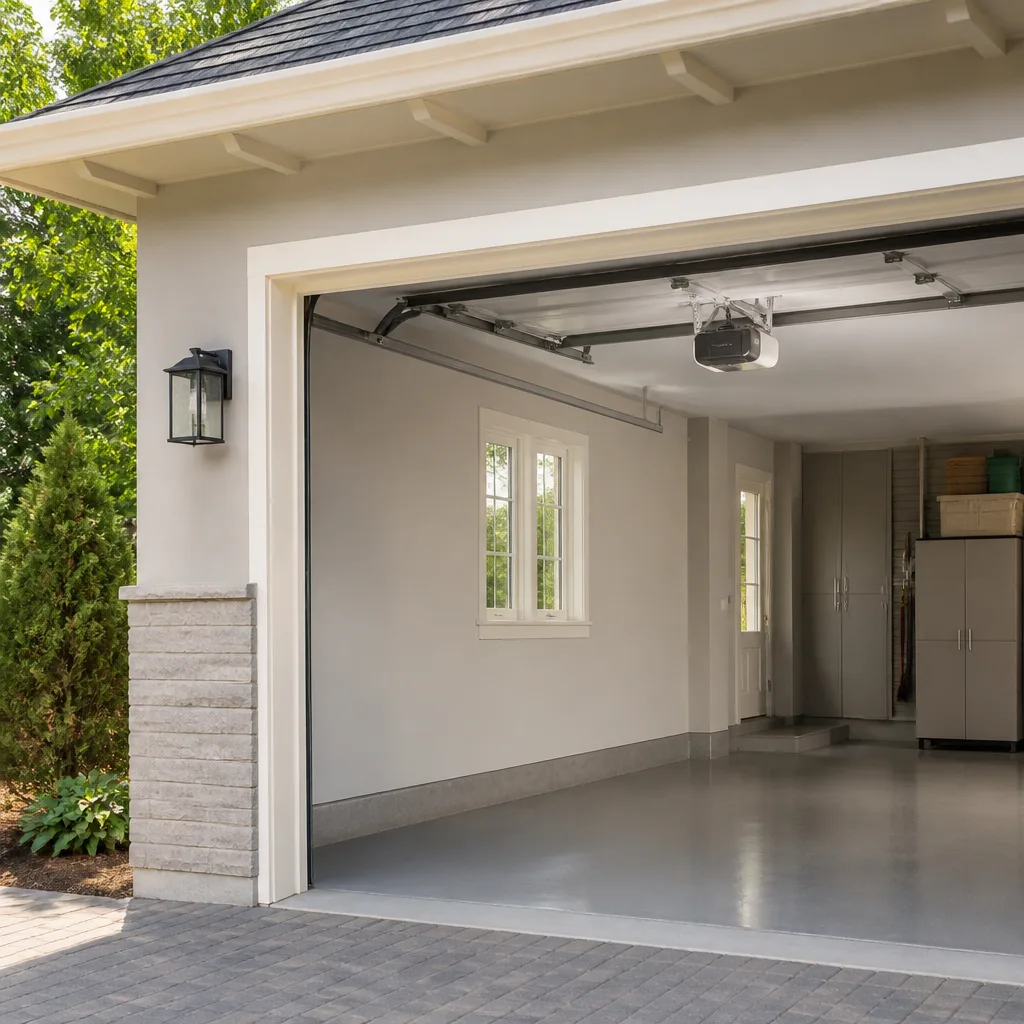 Chamberlain openers
Full 25-point door and opener safety check with every visit - springs, cables, rollers, tracks, and your LiftMaster or Chamberlain opener included
You get a price before we start. It does not change when the pro arrives.
Get your free estimateGarage Door Repair Troubleshooting in Milford: Common Problems and How to Fix Them
A garage door is the heaviest moving object in most homes, and the number-one repair mistake isn’t calling too late. It’s misreading a symptom and fixing the wrong thing entirely. A door that reverses the moment it touches the floor is usually a sensor or limit-switch problem, not a failing opener motor. A door that groans and shudders when it lifts is often a lubrication or balance issue, not a bent track. In this guide, we walk through a symptom-first framework for the most common garage door failures we see in Milford, Massachusetts. You’ll learn which problems you can safely handle yourself, which ones carry real injury risk, and how Milford’s freeze-thaw cycle quietly causes damage that gets misdiagnosed as an opener fault.
Quick Answer
Most garage door problems fall into one of five mechanical categories: opener faults, spring tension failures, track and roller misalignment, sensor and safety-reverse glitches, and seal or weatherstripping damage. Safe homeowner fixes include sensor realignment, limit-switch adjustment, and lubrication. Spring replacement, cable restringing, and panel replacement are technician work because the stored tension in those parts can cause serious injury. A one-minute manual release test tells you whether the problem lives in the opener or in the door hardware itself, so start there before ordering any parts.
Styles & brands we work with
- Raised-panel steel
- Carriage house
- Modern flush
- Full-view glass
- LiftMaster openers
- Chamberlain openers
Table of Contents
- The One-Minute Manual Release Test
- The Five Mechanical Categories of Garage Door Failure
- Symptom-First Diagnosis: Mapping Problems to Causes
- How Milford’s Freeze-Thaw Cycle Damages Doors
- What’s Safe to Fix Yourself vs. What Isn’t
- Diagnosing a Noisy or Uneven Door
- Opener Problem or Door Hardware Problem?
- Why the Fix Keeps Coming Back
The One-Minute Manual Release Test
Before you diagnose anything, you need to know whether the fault sits in the opener or in the door itself. This single test answers that question in about a minute and costs nothing. Find the manual release cord hanging from your opener trolley, and only pull it when the door is fully closed and no one is standing under it.
- Close the door completely and confirm nothing is in its path.
- Pull the release cord down and back to disengage the trolley from the door.
- Lift the door about halfway by hand, holding it firmly.
- Let go gently and observe. A properly balanced door should hold roughly where you leave it. A door that drops hard or lifts with a struggle has a spring, cable, or balance problem.
- Reconnect the trolley by pulling the cord back toward the opener (or running the opener to cycle the trolley into the door) so the door operates normally again.
If the door feels light and stays put in your hands, the hardware is probably fine and the problem lives in the opener. If the door is heavy, slams down, or needs two hands to lift, the door is out of balance and the opener has been fighting that weight the whole time. That imbalance is often what burned out a motor or stripped a gear in the first place. On a LiftMaster or Chamberlain unit, a worn drive gear can mimic a door-weight problem, which is why the manual test matters before anyone touches the opener.
Never pull the release while the door is partway open. It will come down under its own weight, and that’s how fingers and toes get hurt. If the door won’t stay up when you let go during the test, stop and call a technician – that’s a spring tension issue and it’s not a job for homeowners.
The Five Mechanical Categories of Garage Door Failure
Every garage door breakdown we see in Milford traces back to one of five systems. Knowing which system your symptom belongs to tells you how urgent the call is and whether it’s a same-day repair or a scheduled replacement. This is the framework that saves you from guesswork, from ordering the wrong part online, and from paying a technician to fix something that wasn’t broken.
- Opener faults: Motor failure, stripped gears, dead logic board, remote and keypad pairing issues, wall-button wiring. Symptom: power is reaching the opener but nothing moves, or the motor hums and the door doesn’t. This is the domain of garage door opener repair and usually has a clear fix.
- Spring tension failures: Torsion springs over the door or extension springs along the tracks. Symptom: a loud bang from the garage, a door that’s impossible to lift, or a visible gap in a coiled spring. This is the most dangerous category because the spring stores enormous stored tension.
- Track and roller misalignment: Bent track, worn rollers, binding hinges. Symptom: the door scrapes, jumps, or works its way sideways as it rises.
- Sensor and safety-reverse glitches: Dirty, misaligned, or broken safety sensors at the floor. Symptom: the door closes partway and reverses, or won’t close at all while the light blinks. Sometimes a worn limit switch produces the same behavior.
- Seal and weatherstripping damage: Rotted bottom seals, cracked side frames, and shrinking vinyl. Symptom: drafts, water intrusion, drafts blowing into the garage, and a door that gaps at the floor.
Getting the category right matters because the categories have very different risk profiles and very different price tags. A sensor realignment is a fifteen-minute fix you can do yourself. A torsion spring replacement is a professional job that costs real money and can go badly wrong if you attempt it. Mixing them up wastes time and, in the spring case, can hurt you.
Symptom-First Diagnosis: Mapping Problems to Causes
Rather than reading a brand manual and guessing, start with the symptom and work backward. Here’s how the most common complaints in Milford map to their most likely mechanical cause. In our experience, this table matches what the technician ultimately finds in the majority of calls, which means you can often narrow it down before anyone arrives.
- Door won’t open at all: Start with the manual release test. If the door lifts by hand, suspect the opener motor, a blown gear, or a broken safety sensor circuit. If it won’t lift, suspect a broken spring or a snapped cable.
- Door opens but won’t close, or reverses immediately: Almost always the safety sensors at the floor, a misaligned photo-eye, a dirty lens, or a limit switch that thinks the door has reached its bottom position too soon.
- Loud bang and door went slack: A torsion spring broke. Stop operating the opener. The opener cannot lift a door without spring assistance, and forcing it will burn out the motor or snap a cable.
- Door moves unevenly, tips to one side, or scrapes: Track out of alignment, a bent roller, or one side of the spring system doing more work than the other. Don’t keep cycling it, as the door can come off track.
- Grinding, screeching, or rattling: Dry or worn rollers and hinges, loose hardware, or a worn nylon gear inside the opener. Lubrication and hardware tightening handle most of these.
- Door closes partway and goes back up: Obstruction in the track or under the door, sensor misalignment, or a safety-reverse setting that’s too sensitive.
- Water pooling or drafts inside the garage: Bottom seal failure, usually from freeze-thaw damage, not from a bad door.
Write down what you see and hear before you call. A technician who knows the door reverses at the same point every time, or that the noise only happens on the way up, can often pinpoint the problem before pulling into your driveway. That’s how a call becomes a single-visit repair rather than a return trip. And it’s why we ask those questions first on every call.
How Milford’s Freeze-Thaw Cycle Damages Doors
Milford sits in a climate that swings hard between freezing and thawing through the winter and early spring, and that cycle is merciless on garage doors. Water works its way into the bottom seal, freezes overnight, expands, then thaws. Repeat that pattern across a season and materials fail in specific ways that get misdiagnosed as other problems.
The first casualty is the bottom seal. A rubber or vinyl seal cracks, hardens, and pulls away from the door’s bottom edge. Homeowners in Milford often notice the symptom as water on the garage floor or a cold draft coming from the door’s base, then assume the door is warped. It’s usually just the seal. Replacing a bottom seal is one of the least expensive fixes in garage door work, and it’s often the whole story.
The second casualty is the track. Water that gets into the base of the vertical track and freezes can push the steel out of alignment by a fraction of an inch, which is enough to make rollers bind. A binding roller puts uneven stress on the opener, and that’s when the motor starts overworking. So a homeowner calls about an opener that “seems weak,” and the real culprit is a frozen-and-shifted track from a month earlier. Removing the door’s weather seal and visually checking the track for bends at the floor level is worth five minutes every spring.
Third, wood and composite door panels absorb moisture at the bottom edge. If paint is peeling or the wood feels soft at the base, that’s a repair that shouldn’t wait until winter. We recommend Milford homeowners walk around the door’s interior bottom edge in early spring, after the last hard freeze, and look for blistering paint, soft wood, or a seal that’s pulled loose. A few dollars of seal replacement in April beats a panel repair in November. If you’re not sure whether the door itself is compromised, garage door repair can tell you in a single visit whether the panels are worth saving or the door has reached the end of its working life.
What’s Safe to Fix Yourself vs. What Isn’t
Here’s the line. Some garage door repairs are genuinely homeowner work, and doing them yourself saves a service call without real risk. Others involve stored mechanical energy in springs and cables that can release suddenly and cause serious injury, even on a door that looks quiet. Understanding the difference is the point of this whole guide.
Safe for most homeowners
- Sensor realignment: Loosen the sensor bracket, aim the photo-eye so it lines up, and tighten. Test by waving an object through the beam – the door should reverse. If it doesn’t, the sensors or wiring may need replacement.
- Sensor cleaning: Wipe the lenses with a soft dry cloth. Spiders and dust block the beam more often than anything else.
- Limit switch adjustment: On many openers, a small screw on the side sets the down and up travel points. Follow the manual for your model – LiftMaster and Chamberlain units use different adjustments, and a track-mounted Genie can be different again. Small quarter turns at a time.
- Lubrication: A dry silicone spray on rollers, hinges, and the torsion bar (not the tracks) quiets most noisy doors. Skip the lithium grease and WD-40 on tracks – they attract grit.
- Weather seal and bottom seal replacement: Straightforward bolt-on work with basic tools. This is the fix that handles most of Milford’s freeze-thaw seal damage.
- Remote and keypad re-pairing: Changing batteries, re-pairing a remote, or programming a new keypad code. Usually in the manual for your opener brand.
Not safe to attempt yourself
- Torsion and extension spring replacement. The spring is under enough stored tension to break bones or worse if it releases incorrectly. A garage door spring repair isn’t a “watch a video” job, and this is the repair we get called in to correct after a partial attempt most often.
- Cable replacement or restringing. Cables carry the same tension as the springs. Slipping a cable can kill.
- Panel replacement on a damaged door under load. Removing a section while the door is under spring tension can cause the remaining sections to shift unpredictably.
- Track straightening. Sounds simple, but a door that comes off a straightened track can fall.
If you’re not sure which category your problem falls in, err on the side of a call. Our technicians have up to 9 years of experience and can tell you within minutes whether it’s a repair you could have done yourself or a job that genuinely needed a pro. Garage door spring repair is a service that’s explicitly offered because the stakes are high – not because it’s a sales upsell. If the manual release test leaves you uncertain, call before you touch anything.
Diagnosing a Noisy or Uneven Door
Noise is one of the most misdiagnosed symptoms in garage door work. A door that squeals on the way up isn’t necessarily failing – it’s telling you which part needs attention. Here’s how to read the audio.
- High-pitched squeal or screech: Dry or worn nylon rollers, or a dry torsion bar. Silicone spray on the rollers and a small amount along the torsion bar usually quiets it. If it recurs quickly, the rollers may be worn and need replacement rather than re-lubrication.
- Grinding, especially right at the start: Worn opener drive gear, most commonly a nylon gear inside a LiftMaster or Chamberlain unit. This needs the gear replaced, not just lubricated.
- Loud rattle or clatter while the door moves: Loose hinge bolts or a loose track bracket. Tighten them down gently – snug, not crushed. Over-torquing on a metal track can strip the threads.
- Single loud bang, then the door goes slack: A spring broke. Stop the opener. Don’t cycle it again.
- Door scrapes in one spot as it passes: A track bend or a roller out of its slot. Walk the length of both vertical tracks and look for a kink, and check that all rollers are seated.
Uneven movement is usually a balance issue, not a track issue. If the door rises faster on one side or hangs to one side at the top, either the spring tension is unequal (or one spring has failed on a two-spring setup) or a cable is stretched. Don’t keep cycling the door – uneven movement accelerates wear on the opener and can throw a roller off the track. On a two-spring setup, both springs should be replaced together. A replaced spring paired with an original can cause exactly this kind of imbalance.
In our experience, the most common diagnosis after a Milford freeze-thaw winter is a track that’s been pushed slightly out of plumb at the base and a bottom seal that’s warped. The combined effect produces a noise that sounds like opener failure and a draft that sounds like panel damage. A quick walk-through with a flashlight after the last freeze catches both early.
Opener Problem or Door Hardware Problem?
This is the single most useful distinction in garage door troubleshooting, and it’s also the most common thing homeowners get wrong. The opener is a small motor, not a lift. Springs do the heavy lifting, cables guide the door, rollers carry it along the track, and the opener just provides the push. When the door gets hard to move, the opener takes the strain – until it fails.
That’s why the manual release test matters. Run it first, always. If the door lifts and holds easily by hand, the opener is the problem, and a technician can diagnose the motor, gear, or board. If the door won’t lift or drops hard, the door has lost its balance, and repairing the opener without fixing the balance will simply break the opener again. Most of the “opener failures” we’re called out for in Milford aren’t opener failures at all. They’re doors that got too heavy and took their opener with them.
The reason this happens so often is that the failure is slow. A spring loses tension gradually, the door gets a little heavier each month, and the opener works a little harder. Nothing sounds wrong, nothing looks wrong. Then one day the opener hums and doesn’t move, or the drive gear strips, and it looks like the opener broke overnight. It didn’t. It was carrying an increasing load for a season. That’s why a full inspection matters – the fix isn’t always replacing the part that stopped working.
Check the opener last, not first. Open the manual release, balance the door by hand, and inspect the tracks and rollers. If the door moves freely and the opener still won’t work, you have a genuine opener problem. If the door is heavy or dragging, that’s the repair.
Why the Fix Keeps Coming Back
A door that gets “fixed” and breaks again is usually a sign that the first repair treated the symptom, not the cause. Here’s how to figure out which symptom-first diagnoses keep coming back and what each one usually means.
- Repeated sensor glitches. If realigning the sensor fixes it for a week and it fails again, the sensor bracket is loose, the wiring is frayed, or one sensor is failing intermittently. Replacing the sensor is the lasting fix, not endless realignment.
- Opener works but door binds, then stops. The door is losing spring tension, and each time the opener gets reset it works until it can’t. The root cause is the spring, not the opener.
- Grinding returns after lubrication. The rollers are worn enough that lubrication isn’t helping. Rollers are consumable – five to ten years is typical, less if the door sees heavy use.
- Door reverses at the same point every time. A limit switch is set wrong or a photo-eye is slightly misaligned. Sensor realignment without checking travel limits only masks the problem.
- Water gets in again next spring. The bottom seal was replaced but the door isn’t sitting flat on the floor due to travel adjustment. The seal seals only if the door bottoms out evenly.
- New opener fails within a season. The door was never balanced before the new opener was installed. The new motor is doing the lifting the old one eventually couldn’t do.
In each of these cases, the initial repair worked because it addressed the part that was visibly failing. It failed to last because the underlying mechanical cause was never corrected. When we arrive on a call, we walk the door, cycle it, and run the balance test before confirming a diagnosis. The point is a one-time repair that stays fixed, not a recurring visit. If your last repair needs to happen again, that’s usually the reason.
Common Mistakes to Avoid
- Running the opener on a broken spring. An opener that runs against a door without spring tension can strip its drive gear, burn the motor, or snap a cable within seconds. If you hear the bang, stop pressing the button and call for garage door repair in Milford. The spring repair alone is a straightforward job; a spring plus a replacement opener is not.
- Using WD-40 on the tracks. It attracts dust and builds up into a gummy layer that makes the problem worse. Silicone spray on the rollers and hinges, and nothing but a dry cloth on the tracks. This is the single most common DIY misstep we see after freeze-thaw season.
- Pulling the manual release while the door is open. If you’re mid-test and the door is up, don’t pull the cord. It can come down hard. Only disengage the trolley with the door fully closed.
- Fixing the opener without checking door balance. If you replace an opener on an out-of-balance door, the new unit will fail faster than the old one. Run the manual release test first, every time, and correct the balance before installing any new opener.
- Ignoring a small track bend after the winter. A bent track that seems harmless sends rollers off their path over time. In Milford, the freeze-thaw cycle bends tracks at the base every season, and it’s much cheaper to correct in April than after a panel gets scraped in July.
- Replacing one spring on a two-spring door. A single new spring paired with an old one causes uneven lift and accelerates wear on both. Springs are replaced as a set.
- Assuming a new opener will fix “won’t open.” Most won’t-open calls are spring, balance, or sensor problems. Replacing the opener without diagnosing the door first is how a $200 problem turns into a $1,000 one.
See the difference
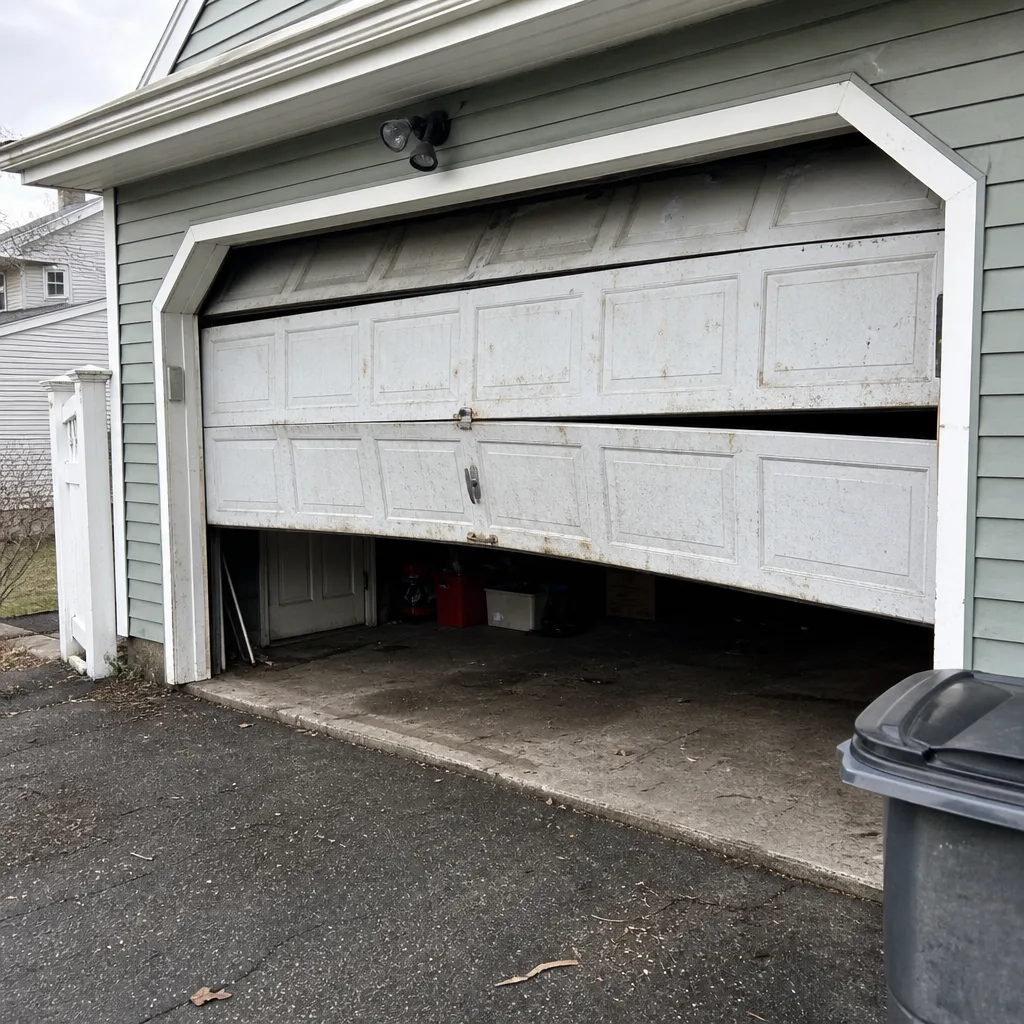 Before
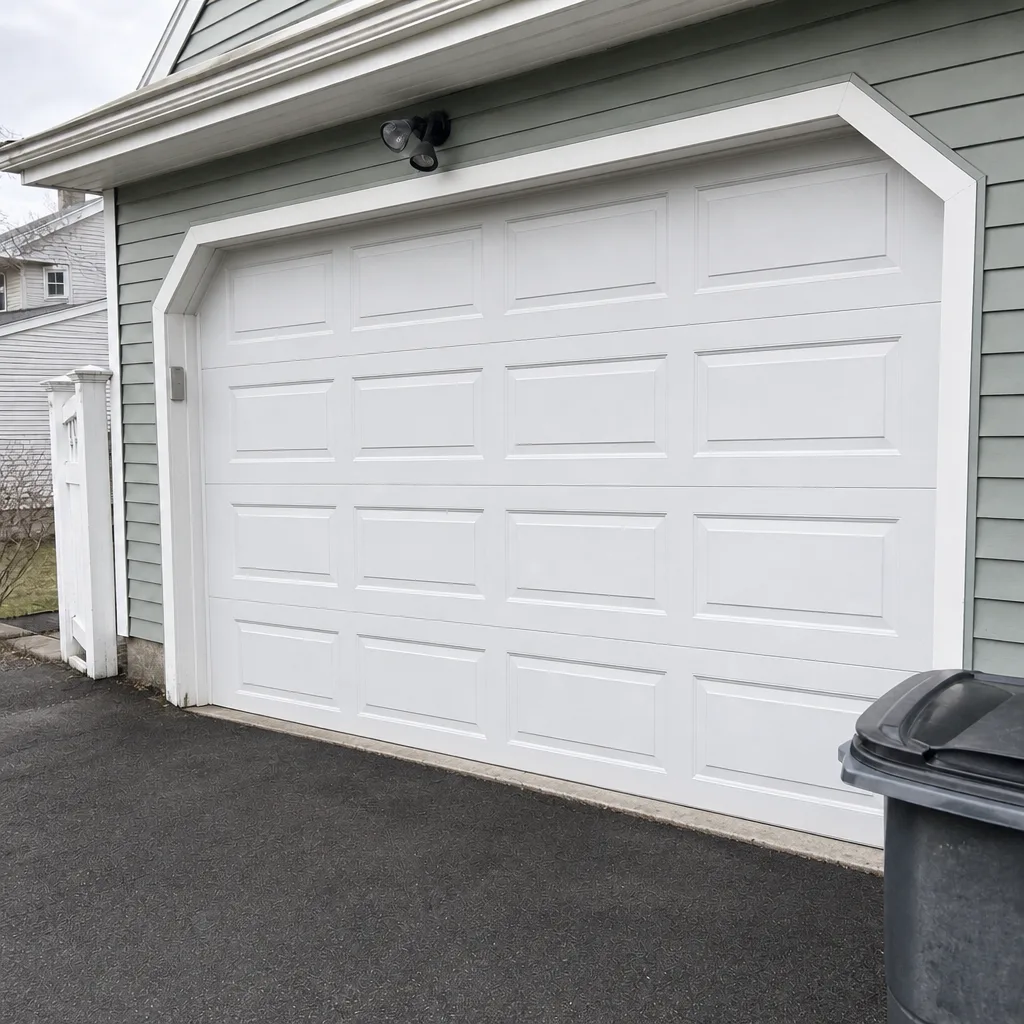 After
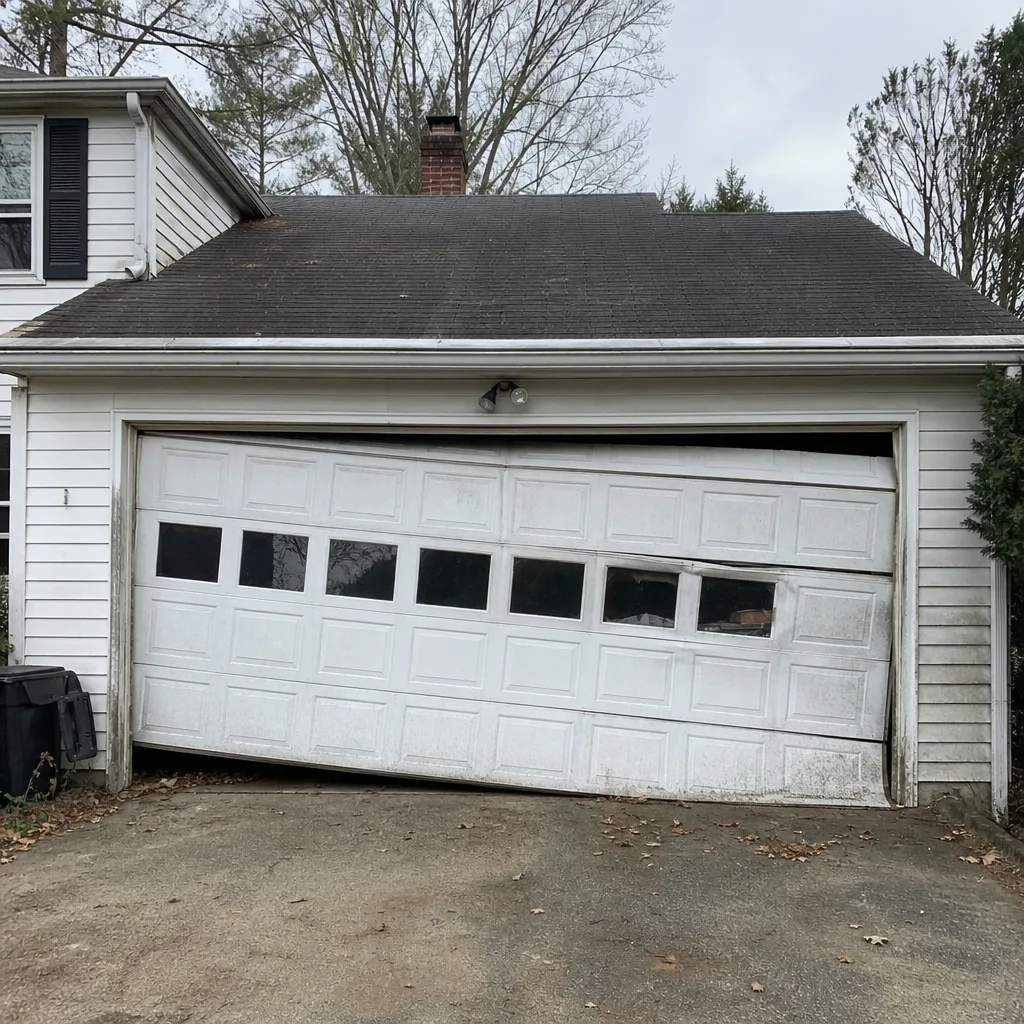 Before
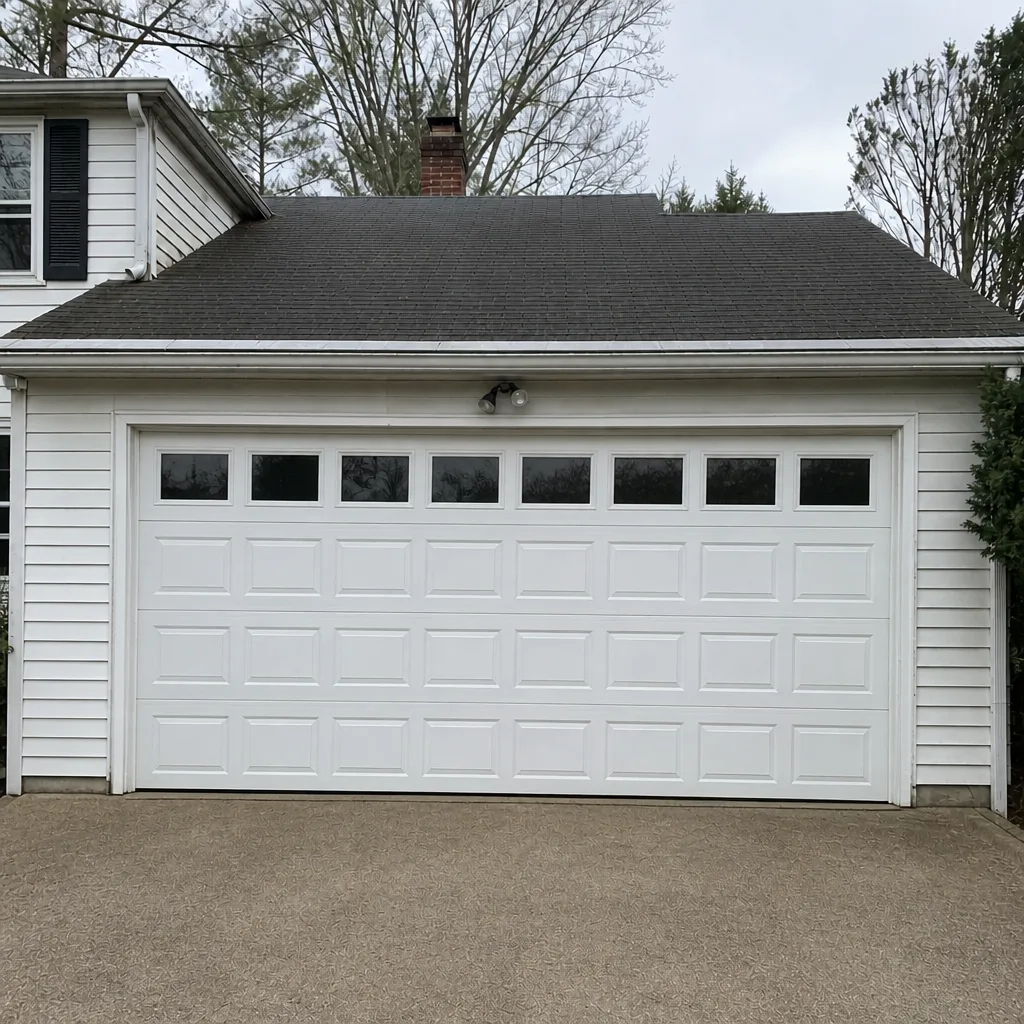 After
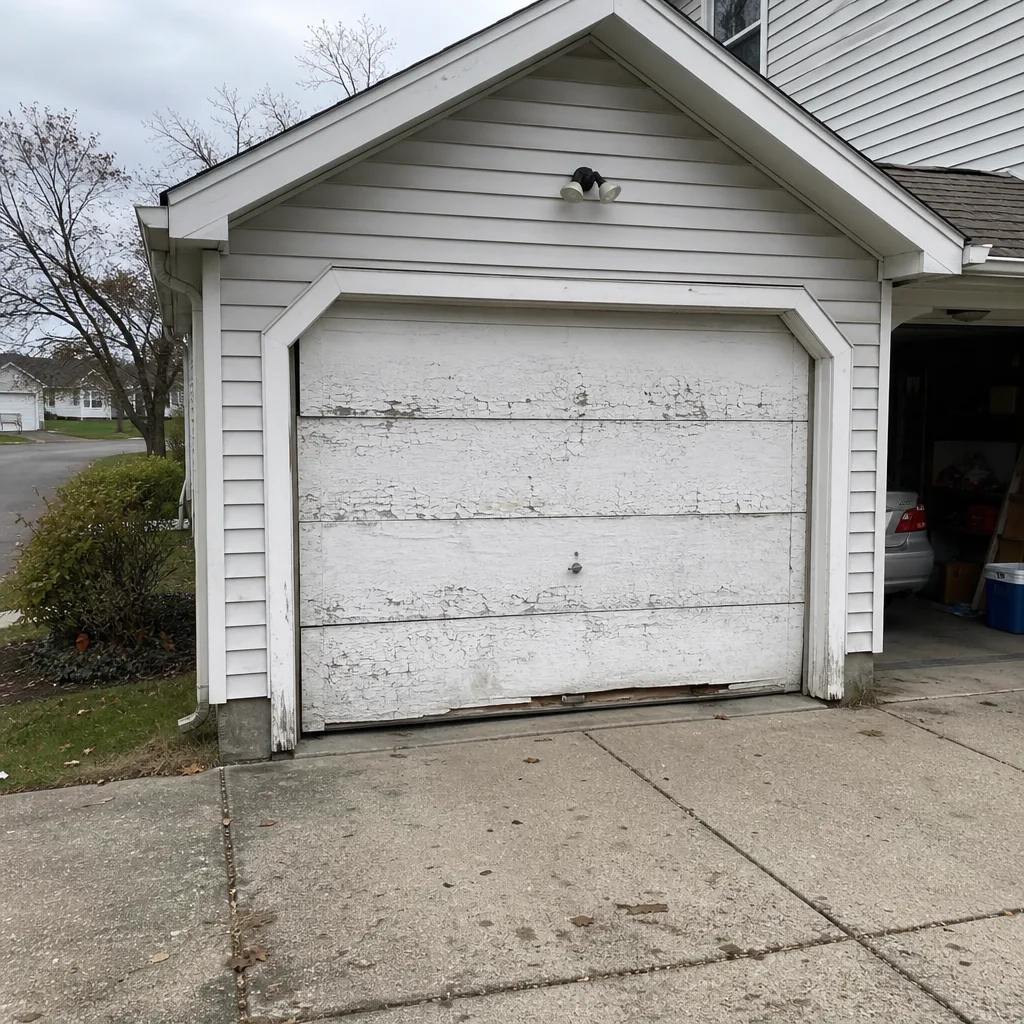 Before
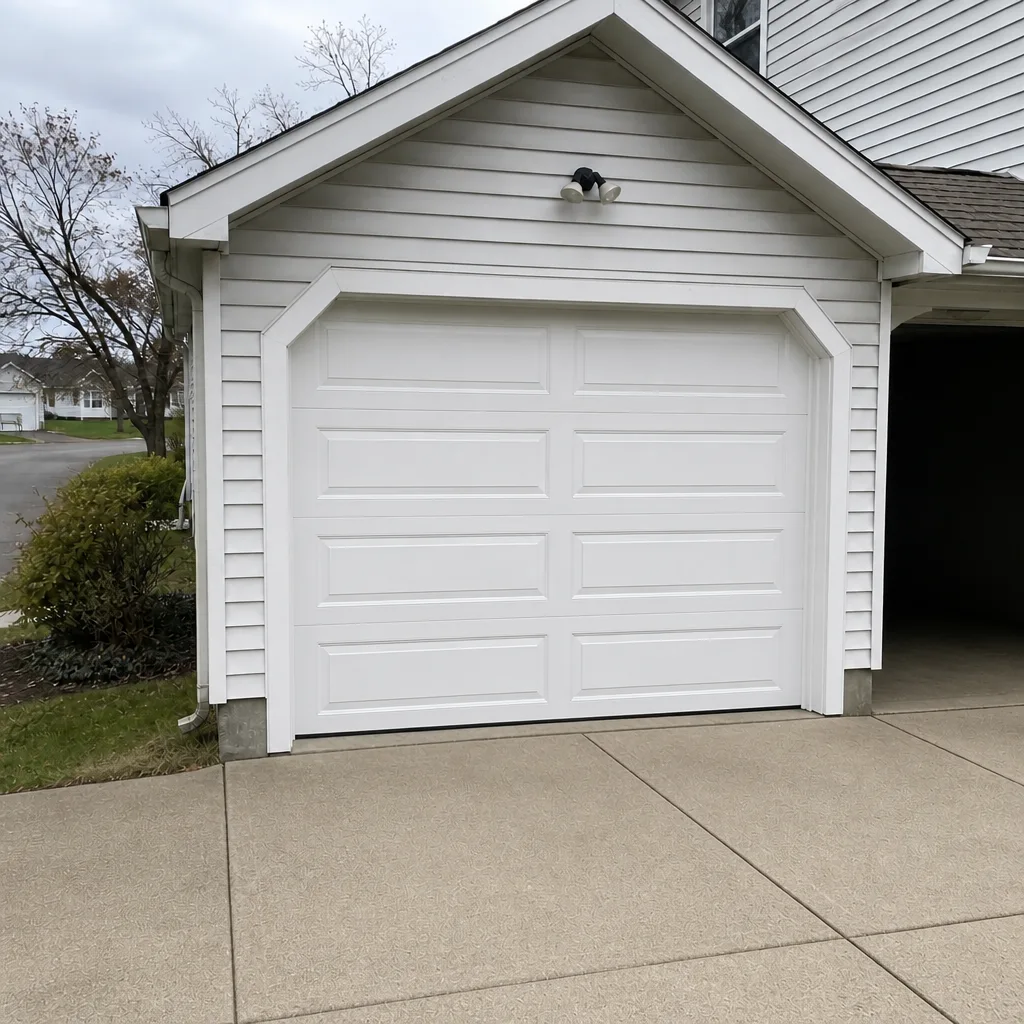 After
When to Call a Professional
Call a garage door technician when any of the following is true: a spring has visibly broken or gone slack; a cable is frayed or hanging loose; the door has come off one side of its track; the door won’t lift by hand even with the opener disengaged; or the door has reversed or dropped under its own weight during the manual release test. These are the situations where an injury risk is real and where the wrong fix can damage the door further. Our technicians have up to 9 years of experience and will tell you exactly what they’ve found and what it will take to fix it.
Garage Door Repair Milford Pros offers free estimates in Milford – call (866) 937-8812. We answer 24/7. Fast dispatch from 7am to 7pm, Sunday through Friday. We service LiftMaster, Chamberlain, Genie, Clopay, Amarr, Wayne Dalton, Craftsman, and Raynor systems, so chances are good we already know your door’s mechanism before we arrive. If you’re locked out, the door is stuck open, or a spring has gone, that’s exactly what our Garage Door Repair Milford Pros team is set up for.
Frequently Asked Questions
Most minor garage door repairs in Milford fall in the $150-$400 range, with spring repair on a single spring around $180-$340 and matched pairs at roughly twice that. Opener repairs on a LiftMaster or Chamberlain commonly land in the $150-$300 range, sensor and weather-seal work is usually the lowest-cost repair on the list. The written estimate sets the final price, and the price is agreed before any work starts. Call (866) 937-8812 for an exact quote – estimates are free.
Yes, in most cases a door that won’t close can be handled as a same-day repair when you call us. We answer 24/7, and fast dispatch runs from 7am to 7pm, Sunday through Friday. A door that’s stuck open is a security concern, so it goes at the top of the schedule. Call (866) 937-8812 and we’ll book you into the next opening.
No. Torsion and extension springs store enough energy to cause serious injury in a fraction of a second, and this isn’t a repair we recommend for homeowners. A partial attempt can release the spring unexpectedly or leave a cable under tension. Spring repair needs a trained technician with the right tools – it’s one of the highest-risk jobs in the trade. Call (866) 937-8812 for a free estimate on spring replacement.
Reversal at the floor usually points to a misaligned or dirty safety sensor, or a down-limit switch set too high so the door “thinks” it has reached bottom too soon. Clean both sensor lenses first, then check the alignment. If it still reverses, the sensor or the limit switch needs adjustment or replacement. Call (866) 937-8812 for a diagnosis if it keeps happening.
The manual release test tells you. Disengage the trolley with the door fully closed, lift the door by hand, and let go. If the door holds roughly where you leave it, the door is balanced and the opener is the failing part. If it drops or is very heavy, the door is out of balance and the springs or cables need repair. Do the door test first, always. Call (866) 937-8812 if you’re not sure what the test told you.
Yes, the repeated freeze-thaw cycle is hard on bottom seals and the base of the vertical tracks. Water works under the weather seal, freezes overnight, expands, and thaws, which cracks seals and shifts the track slightly out of plumb. The damage is usually misdiagnosed as an opener problem because the resulting binding makes the door harder to lift. A spring walk-through check after the last freeze catches both early. Call (866) 937-8812 if your door feels heavier than it used to.
The Bottom Line
Most garage door failures are diagnosable before anyone arrives, and the free manual release test is the single most useful tool you have. It tells you instantly whether the door is out of balance – which means the springs or cables are the real repair – or whether the opener is the failing part. Safe homeowner work covers sensors, limit switches, lubrication, and seals; spring and cable work is high-risk and needs a technician. Milford’s freeze-thaw cycle is the local wildcard that produces misdiagnosed bottom-seal and track damage each spring. Get the category right before ordering parts, and the repair lands first time. When you’re ready for a specialist who knows your brand – LiftMaster, Chamberlain, Genie, Clopay, and the rest – we’re a phone call away.
Contact
If your garage door isn’t opening, won’t close, makes a noise it shouldn’t, or just feels heavy, the fastest fix is a phone call. Garage Door Repair Milford Pros offers free estimates on repair, opener work, spring repair, installation, and emergency service across Milford. Call (866) 937-8812 for a free estimate and a written price before any work starts. We answer 24/7, with fast dispatch from 7am to 7pm, Sunday through Friday.
Written by the team at Garage Door Repair Milford Pros.