
Last updated November 23, 2026
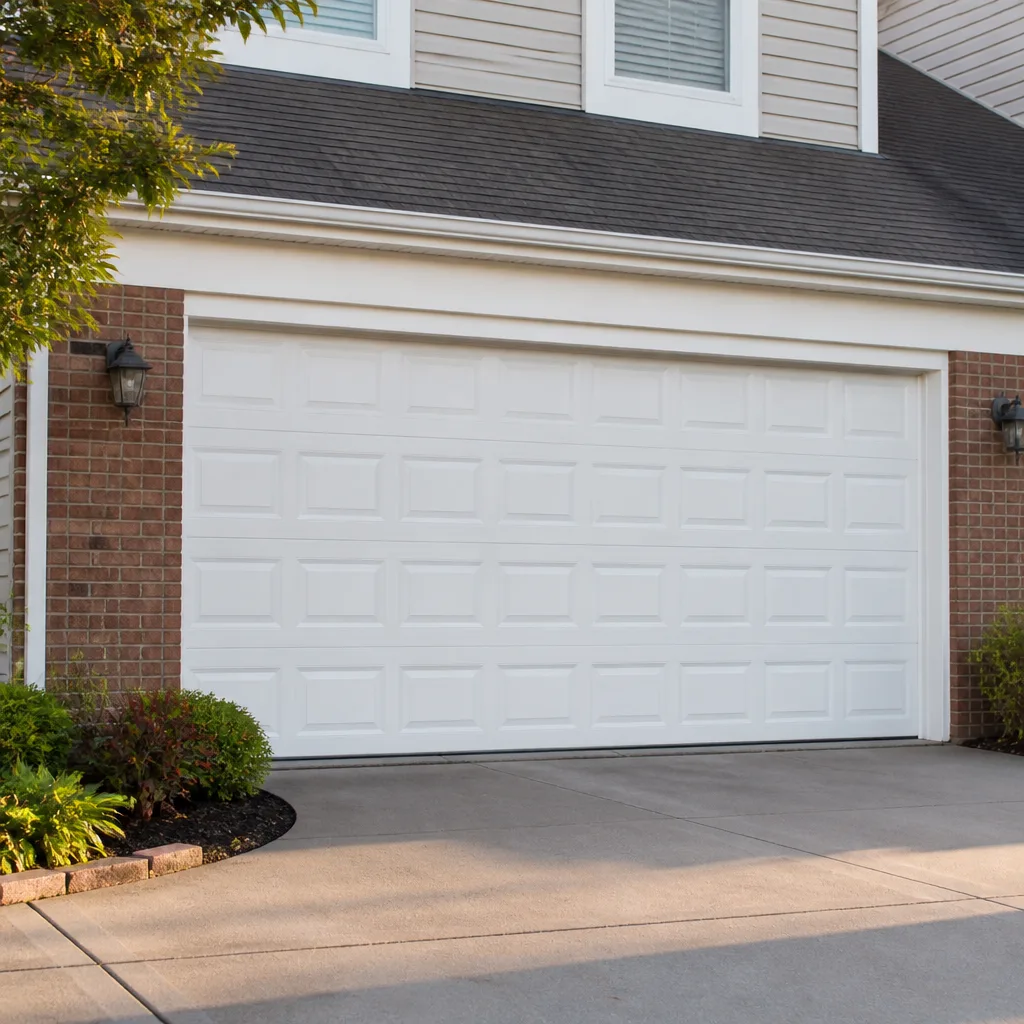 Raised-panel steel
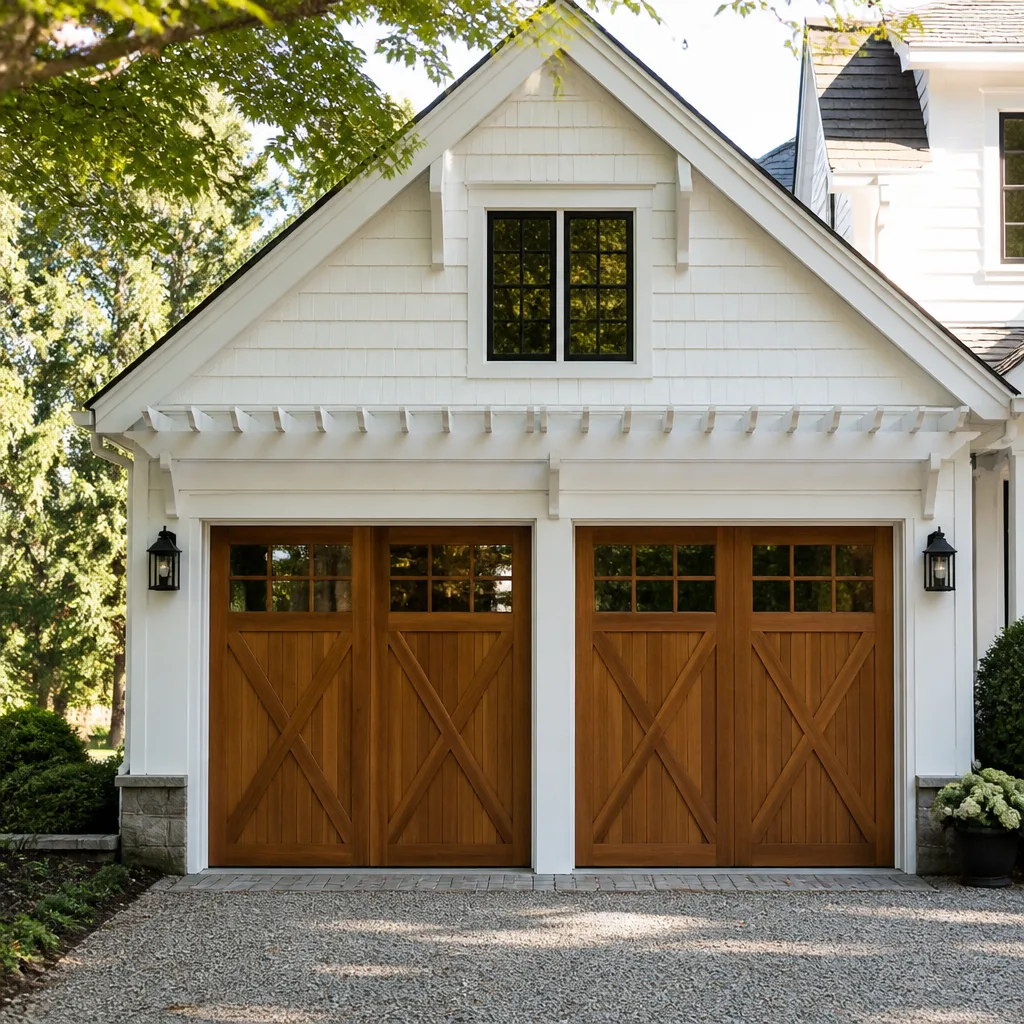 Carriage house
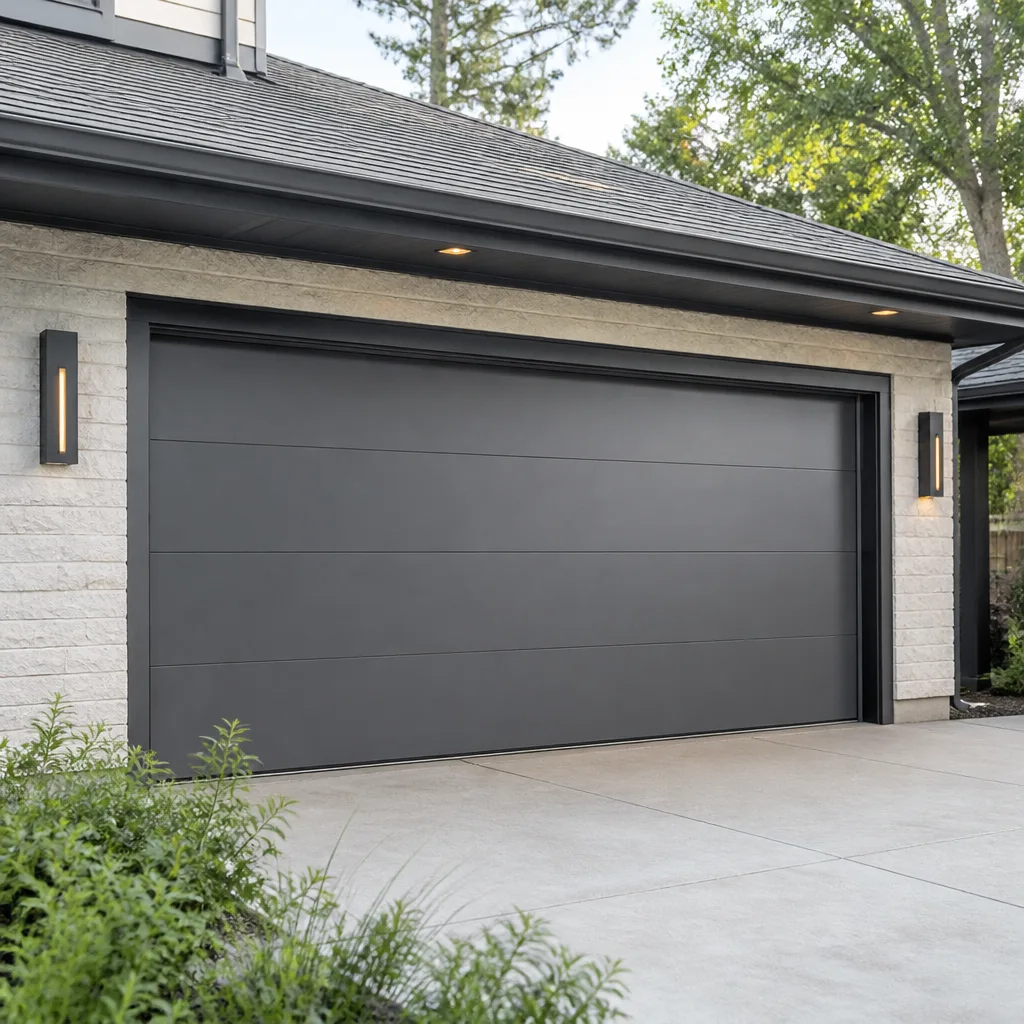 Modern flush
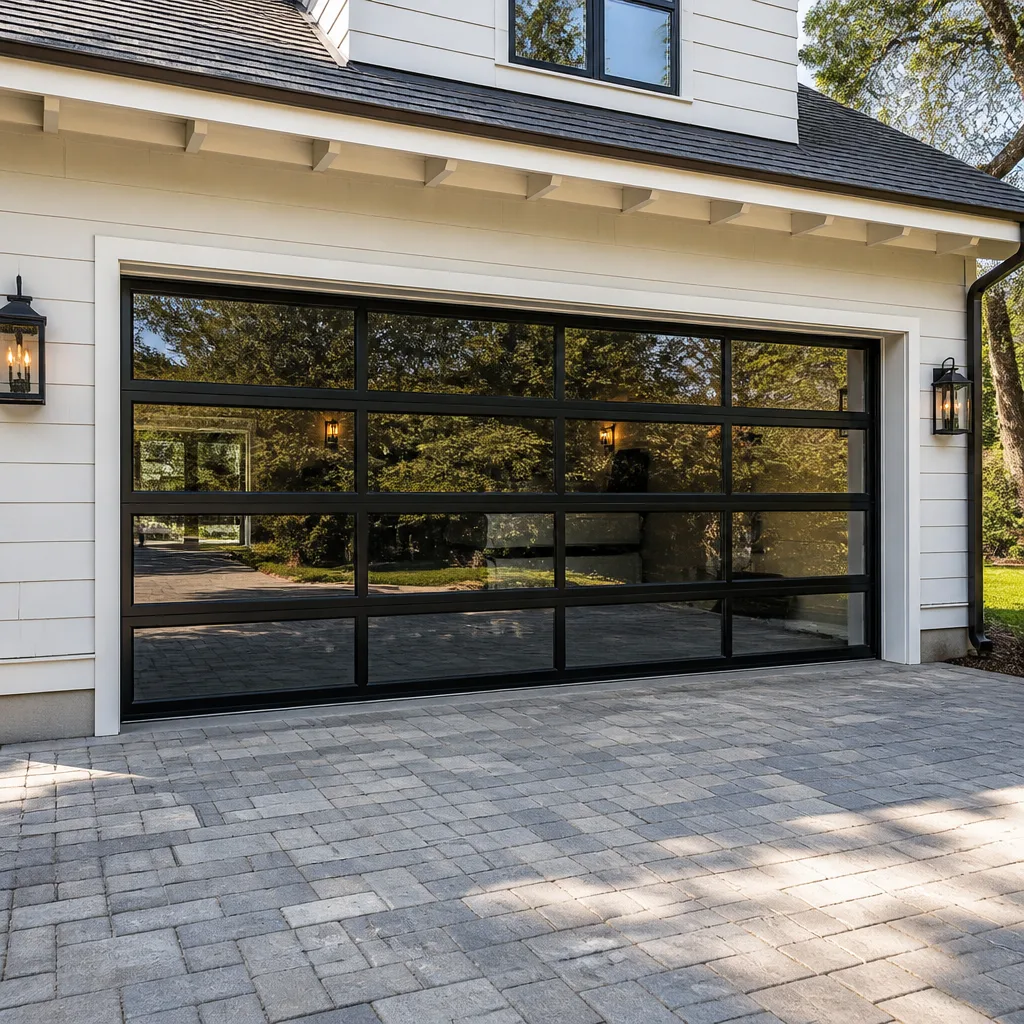 Full-view glass
 LiftMaster openers
 Chamberlain openers
Full 25-point door and opener safety check with every visit - springs, cables, rollers, tracks, and your LiftMaster or Chamberlain opener included
You get a price before we start. It does not change when the pro arrives.
Get your free estimateGarage Door Warning Signs: A Milford Homeowner’s Reference Guide
A garage door that’s “a little slow” and a garage door that’s about to drop can look identical to an untrained eye. That’s the part most checklists get wrong. They hand you a list of noises and symptoms and leave you to guess which ones matter today and which ones can wait until the schedule clears. The difference is usually in one of three mechanical signals, and they’re easy to read once you know what you’re measuring against. This guide gives Milford homeowners a triage framework: what to watch, what to test, and when to stop using the door entirely.
Quick Answer
Garage door warning signs fall into three tiers: use-with-caution symptoms (a little noise or lag) that you can watch for a week or two, schedule-soon symptoms (fraying cables, uneven travel, strained openers) that need a service call within days, and stop-now symptoms (a snapped spring, a hanging door, a door off its track) where you should not operate the door at all. A 60-second balance test tells you more about the health of your door than any other check you can do yourself.
Styles & brands we work with
- Raised-panel steel
- Carriage house
- Modern flush
- Full-view glass
- LiftMaster openers
- Chamberlain openers
Table of Contents
- The Three-Tier Triage System
- The Visual and Auditory Signatures of Each Failure Mode
- The 60-Second Balance Test
- Warning Signs That Get Misdiagnosed
- Milford’s Climate and the Warning Signs It Creates
- A Component-by-Component Checklist
- Common Mistakes to Avoid
- When to Call a Professional
- Frequently Asked Questions
The Three-Tier Triage System
Most garage door problems announce themselves well before they fail completely. The trouble is that homeowners treat every symptom the same way, either ignoring all of them until something breaks or panicking over a small noise that costs nothing to watch. Triage fixes that. Sort every symptom you notice into one of three tiers, and you’ll know what to do next without guessing.
Tier one: use with caution. The door still opens and closes reliably but something has changed. It’s a little louder, a little slower, or it hesitates at one point in its travel. Write down what you noticed and when you first heard it. Check it again in a few days. If the symptom is stable and mild, you can usually wait a short while, but it should go on your list for the next service visit. A door that’s been making the same light rattle for years isn’t in crisis. A door that started making a new noise last Tuesday is worth watching.
Tier two: schedule soon. The symptom is getting worse, is visible, or affects operation. A fraying cable, a door that lurches or binds halfway, an opener that strains or reverses for no reason, rollers that wobble, or a door that doesn’t close flush with the floor. These are the jobs you don’t put off indefinitely. Book a service call within the next several days and avoid using the door more than necessary in the meantime. In Milford, this is the tier where most of our repair work starts, and it’s also where a modest repair stays modest.
Tier three: stop using the door now. A torsion spring with a visible gap in the coil, a door hanging at an angle, a cable off its drum or wrapped around an axle, a door that won’t stay up on its own, or anything that looks like structural damage to the tracks or panels. Don’t touch the door, don’t force the opener to try again, and don’t stand under it. Call a garage door specialist. This tier isn’t a “probably fine” situation, and a trained technician is the only safe way to deal with it.
The Visual and Auditory Signatures of Each Failure Mode
Each of the four main failure points on a residential door has a signature. Learn to recognize the signature and you’ll know which component is in trouble before anyone touches the door. That saves you money, because the wrong diagnosis leads to replacing parts that weren’t the problem.
Spring wear
A torsion spring sits above the door and does most of the lifting. When it’s near the end of its life, the door gets heavy and the opener works harder. You’ll hear more strain in the opener, see the door close faster than it opens, or feel that it doesn’t hold itself halfway up. If you can see the spring, look for a visible gap in the coil, a stretched section, or rust flaking off the coil. Those are signs of a spring on its way out. Springs are under extreme tension, so never try to adjust, wind or remove one. That’s the highest-risk job in the trade and it belongs to a trained technician.
Cable fraying
Cables run from the bottom corners of the door up to the drums at the top. Look along each cable for broken strands, a fuzzy appearance, kinks, or slack on one side. Cables can snap suddenly once strands start breaking, and a snapped cable can whip under tension. That’s a stop-now symptom, not a schedule-soon one. If you see fraying but the cable is still intact, book a repair and keep the door still until a technician sees it.
Track misalignment
The tracks guide the door and should be straight and parallel. A dented or bent track, a gap between the track and the door edge, or a door that rubs on one side as it travels all point to misalignment. A slightly twisted track causes the door to bind, which strains the opener and the springs. Look also at the brackets where the tracks mount to the wall. If a bracket has worked loose, the track will shift and the door will scrape. Don’t try to bend tracks back into place yourself; they’re harder to true up than they look, and the adjustment affects the whole door’s travel.
Opener motor strain
The opener should lift the door smoothly and quietly. Listen for grinding or a rhythmic clicking, feel for the door speeding up and slowing down mid-travel, or watch for the opener reversing on its own or failing to complete the close. Opener strain is often a symptom of a door that’s out of balance, not a failed motor, which is why we always check the door before recommending a new unit. A garage door opener repair call starts with confirming whether the motor or the door is the problem.
The 60-Second Balance Test
The balance test is the single most diagnostic thing a homeowner can do. It tells you whether the springs are doing their job and whether the opener is being asked to compensate for a door that’s out of balance. Do it safely, once, and note what you see.
- Clear the area. Make sure nobody is standing under or near the door, and that the door path is clear.
- Disconnect the opener. Pull the emergency release cord, usually a red handle, to disconnect the door from the opener. This puts the door in manual mode.
- Raise the door halfway by hand. Lift it about halfway up. It should feel reasonable, not fighting you.
- Let go. The door should stay where you left it. If it drops slowly, the springs are weak. If it rises on its own, the springs are too tight.
- Lower it fully and reconnect. If the door came down smoothly on its own after you let go, guide it down gently and pull the release cord again to re-engage the opener.
What you’re looking for: the door should hold roughly where you leave it. If it drifts, you’ve found the reason your opener has been noisy or slow. Weak springs mean the motor has been lifting the door alone, and a door with a struggling opener will eventually stall. If the door falls quickly or won’t stay up, that’s a stop-now symptom. Reconnect the opener, leave the door alone, and call a specialist. Do not test by opening the door over and over to see what happens; that’s exactly the situation where a strained component fails.
Warning Signs That Get Misdiagnosed
Several warning signs are easy to confuse, and the misdiagnosis is the reason homeowners end up paying for a repair that didn’t fix the problem. Here’s what to watch for.
- Heavy door vs. tired opener. A door that’s hard to lift by hand is almost always a spring problem, not an opener problem. The opener just sounds like it’s failing because it’s working harder. Replacing the opener without fixing the springs means the new motor will fail the same way the old one did.
- Loud rattle vs. binding door. A rattle from loose hardware, worn rollers or a loose panel is generally a schedule-soon repair. A door that binds or catches partway is a different problem; it usually means tracks or rollers are out of alignment and the door is dragging. One sounds like noise and the other feels like resistance. If you can feel it, it’s the second one.
- Slow travel vs. failing opener. A door that opens slowly but closes normally is usually an unbalanced door. A door that opens normally but struggles to close can be a sensor issue, an opener limit setting, or a cable problem. Two different fixes for two different symptoms, and guessing wrong sends you down the wrong path.
- Sagging panel vs. track damage. A panel that looks slightly bent can be a panel or hinge issue. A panel that’s hanging at an angle usually points to a track or cable problem. Look at the gap between the door and the track on both sides. If it’s uneven, that’s your clue.
- Remote not working vs. opener failure. A remote that’s stopped responding is more often a battery, a dead remote, or a safety sensor misalignment than a failed opener. On a LiftMaster, Chamberlain, Genie or Raynor system, start with the sensor alignment and the remote battery before assuming the motor is gone.
When you’re unsure which symptom you’re looking at, our garage door repair team can walk through it with you and confirm which component is actually at fault before any work begins.
Milford’s Climate and the Warning Signs It Creates
Milford gets cold winters and humid summers, and that cycle shows up in garage door symptoms. A door that worked fine through August can start to complain in January, and the reason is usually not the door itself. It’s the season moving the parts around.
Cold contracts metal and makes rubber seals stiff. A door that runs quietly in July can sound louder in February, and that’s often normal. Lubricant thickens in the cold too, which makes tracks and rollers feel sluggish. If the door runs a little slower on the coldest mornings and fine again by afternoon, that’s the season, not a serious failure. Watch it, but don’t panic.
Where it gets confusing is when a seasonal symptom is sitting on top of a structural one. A door that’s been rattling for months will rattle more in the cold. A spring that’s been weakening will pick winter to fail. The test is whether the symptom is new with the weather or getting steadily worse regardless of temperature. A symptom that disappears by noon is seasonal. A symptom that’s still there in mild weather is structural.
Humidity is the other Milford factor. Spring and early summer humidity can cause wood framing around the door to swell, which pushes tracks and brackets slightly out of position. Panels can warp a little. This is usually a small adjustment, not a replacement, but it’s worth checking the tracks each spring. If you notice the door scraping on one side after a wet stretch, that’s the signal to book an adjustment. And if a spring or cable has failed, that’s a stop-now call regardless of the calendar.
Preventive maintenance in Milford means checking the door once at the start of the heating season and once after the thaw. Those are the two points where the temperature swing does the most work on the door’s hardware.
A Component-by-Component Checklist
Walk around your door with this in mind. None of it requires you to touch or adjust anything under tension, and all of it helps a technician see the door faster.
- Springs. Look for a visible gap in the coil, rust flaking, or a stretched section. Never touch a torsion spring; if the door won’t hold halfway up, it’s a stop-now call.
- Cables. Look for broken strands, fraying, kinks or slack. A snapped or badly fraying cable means don’t use the door.
- Tracks. Should be straight, parallel and firmly attached to the wall. Check for dents, gaps and loose brackets.
- Rollers and hinges. Worn rollers look flat or wobbly. Loose hinges rattle when the door moves. Both are schedule-soon repairs.
- Panels and seals. Look for cracks, warping or a bottom seal that no longer meets the floor. A door that doesn’t seal lets cold air and water in, and the bottom seal is usually the fix.
- Opener. Listen for grinding, clicking or strain. Check the safety sensors at the bottom of the door by confirming they’re aligned and their indicator lights are steady.
If anything on the list is in the stop-now category, leave the door closed and call a specialist. For everything else, a written estimate will tell you what’s actually needed. We work on doors and openers from all the major manufacturers, including Raynor, LiftMaster, Chamberlain and Genie, so the checklist is the same regardless of what’s already installed in Milford.
Common Mistakes to Avoid
- Forcing a door that’s hung up. If the door won’t open or close, don’t keep pressing the remote hoping it catches. A seized door being cycled repeatedly is how a small track issue turns into a full panel replacement. Stop and call.
- Replacing the opener before checking the door. A heavy door destroys openers. If the door doesn’t hold halfway up on the balance test, the opener isn’t the problem, no matter what the noise sounds like. Fix the door first.
- Adjusting a spring yourself. Torsion springs are under extreme tension and a failed adjustment can cause serious injury. This is a job for a trained technician, every time, with no exceptions.
- Ignoring a seasonal noise all winter. A rattle that started with the cold is easy to dismiss, but if it’s still there when temperatures moderate, it was never just the season. Check it again in the spring.
- Bending tracks back into shape. Tracks look simple and aren’t. A homeowner-adjusted track that’s slightly twisted will strain the opener and wear the rollers, and it’s harder for a technician to fix after the second or third adjustment attempt.
- Treating a new noise as normal because it’s quiet. Quieter isn’t always better. A binding door can run quietly while the opener is working overtime. Watch the door’s travel for any hesitation, not just for sound.
- Waiting for a completely dead door. A symptom in the schedule-soon tier is cheaper to fix than a failure that’s already happened. A fraying cable costs less than a door that came off its track. The warning signs exist to give you that window, and it’s usually a few days to a couple of weeks, not months.
When to Call a Professional
Call a garage door specialist if the door won’t stay up on its own, if there’s a visible gap in a spring, if you can see or feel a fraying or snapped cable, if the door is hanging at an angle or off the track, or if the opener runs but the door doesn’t move. Those are the stop-now signs and they’re all a reason to leave the door alone until someone trained has looked at it. Call sooner rather than later if you notice a new noise that’s getting worse, an opener that strains or reverses, or a door that’s out of balance on the test. For any of these, we answer 24/7. Fast dispatch from 7am to 7pm, Sunday through Friday.
Garage Door Repair Milford Pros offers free estimates in Milford. Call (866) 937-8812. A written estimate sets the price before any work starts, and the price doesn’t change once the technician sees the door.
Frequently Asked Questions
A broken torsion spring usually leaves a visible gap in the coil above the door, and the door won’t stay up when you lift it halfway. The opener may run but the door won’t move, or it will move only a few inches. Don’t try to open the door. Call a specialist, because spring repair is the highest-risk job on a garage door. Call (866) 937-8812 for an exact quote, and the estimate is free.
Most doors can be repaired, especially when the problem is a spring, cable, roller, track or opener. Replacement makes sense when the panels are structurally damaged, the door is out of balance after repeated repairs, or you’re moving to a different door. A technician can tell you which applies after a free estimate. The written price is fixed before work starts.
Yes, a door that won’t close is a same-day priority, and we treat a door stuck open as a security concern that needs urgent attention. We answer 24/7. Fast dispatch from 7am to 7pm, Sunday through Friday. A call outside dispatch hours is booked into the next opening, Sunday through Friday, 7am to 7pm. Call (866) 937-8812 and we’ll find the earliest slot.
Cold makes metal contract, rubber seals stiffen, and lubricant thicken, so a door can sound louder in the winter without anything being wrong. If the noise fades by afternoon or returns to normal once the temperature rises, it’s seasonal. If it’s still there in mild weather, it’s worth a check, and it’s usually a lubrication or roller issue. Call (866) 937-8812 for an exact quote if it doesn’t clear.
The local professionals we connect you with are licensed and insured as their state requires, and they’re dedicated garage door technicians rather than general contractors. Our technicians have up to 9 years of experience, and they work on all the major brands, including Raynor, LiftMaster, Chamberlain and Genie. Call (866) 937-8812 for a free estimate.
No. The written estimate sets the price and it’s agreed before any work starts. If the diagnosis changes once the door is opened up, the technician will explain what’s different and get your approval before proceeding, so you won’t see an invoice larger than the quote. A free estimate from our garage door spring repair team starts with a clear look at what’s actually failing. Call (866) 937-8812.
See the difference
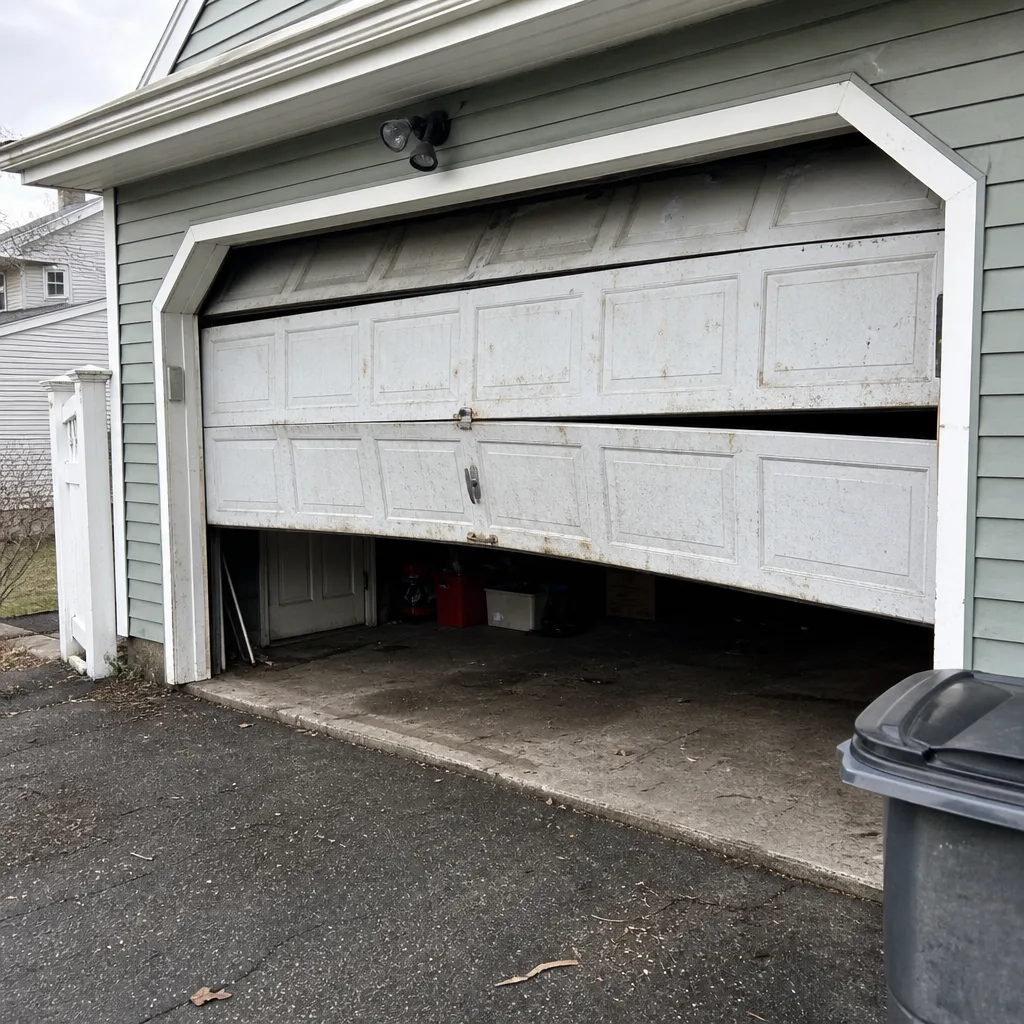 Before
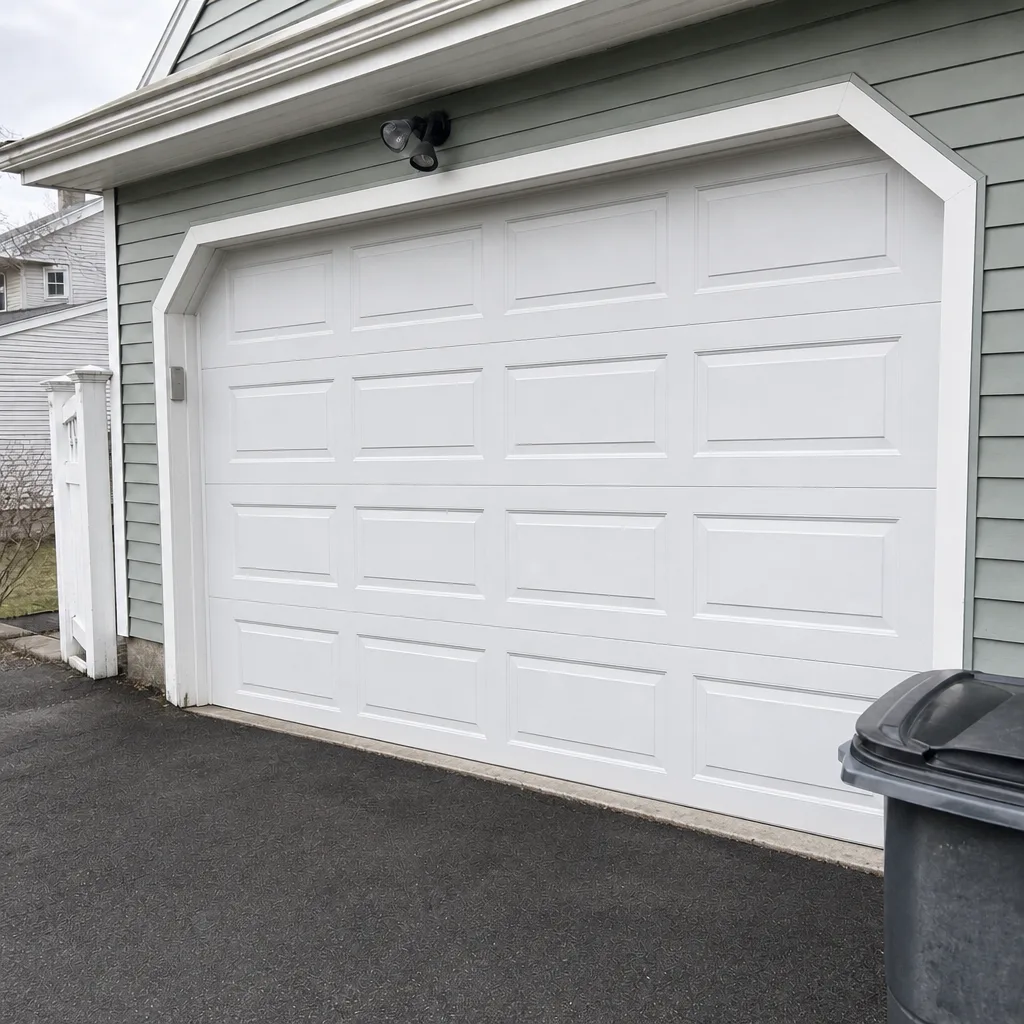 After
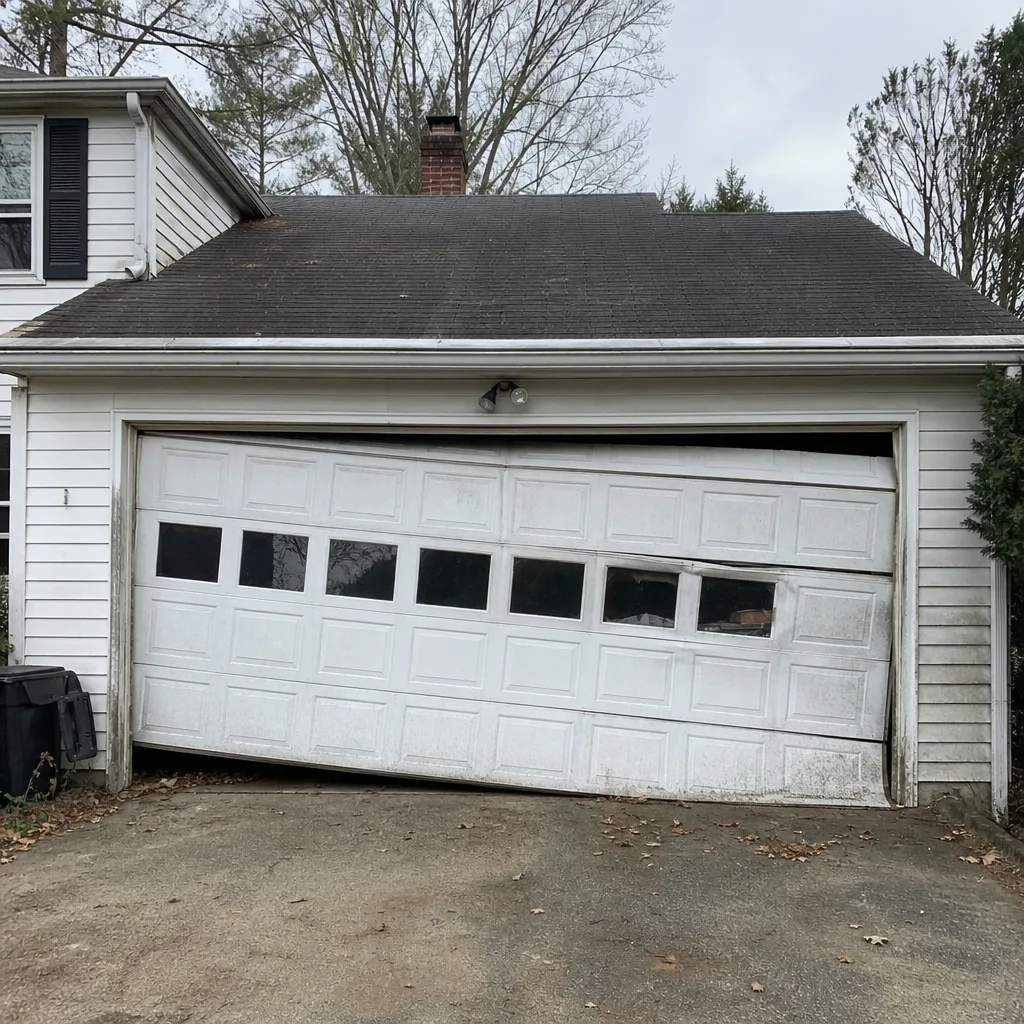 Before
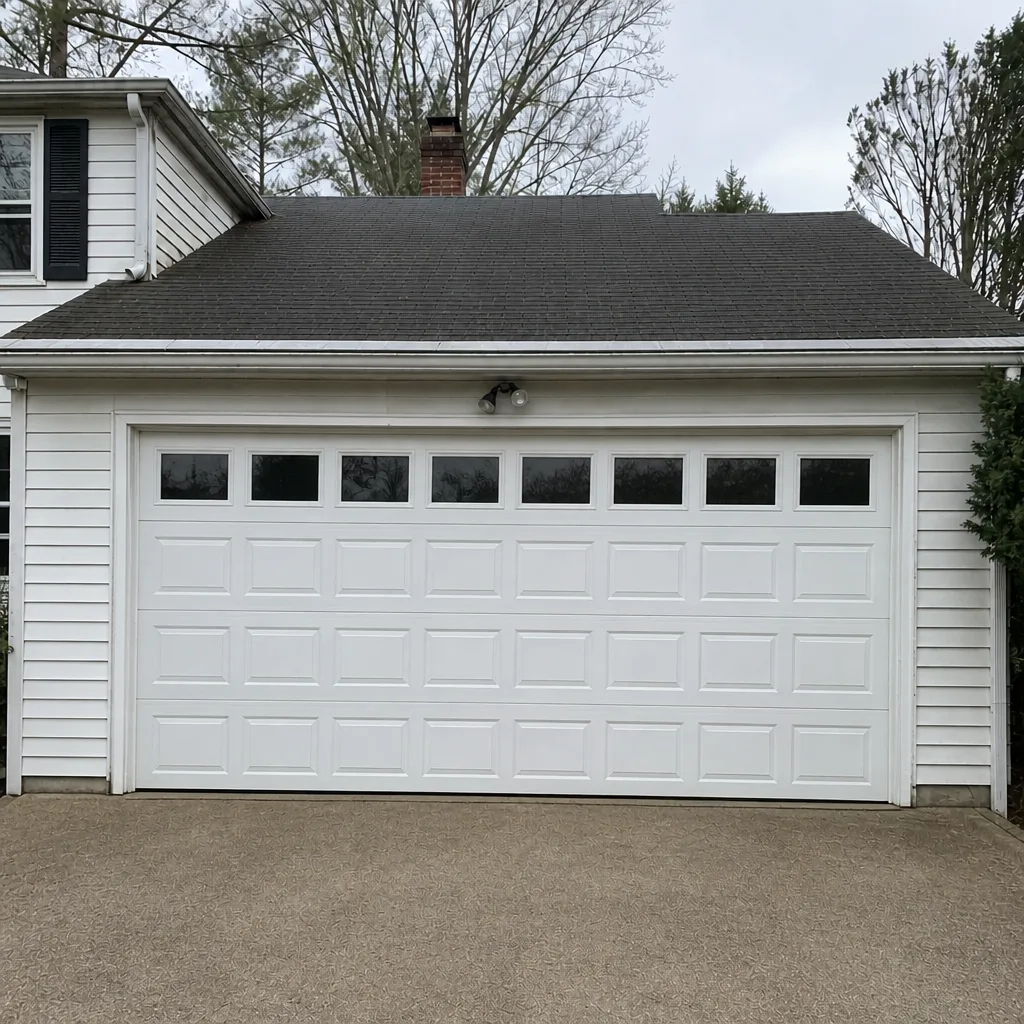 After
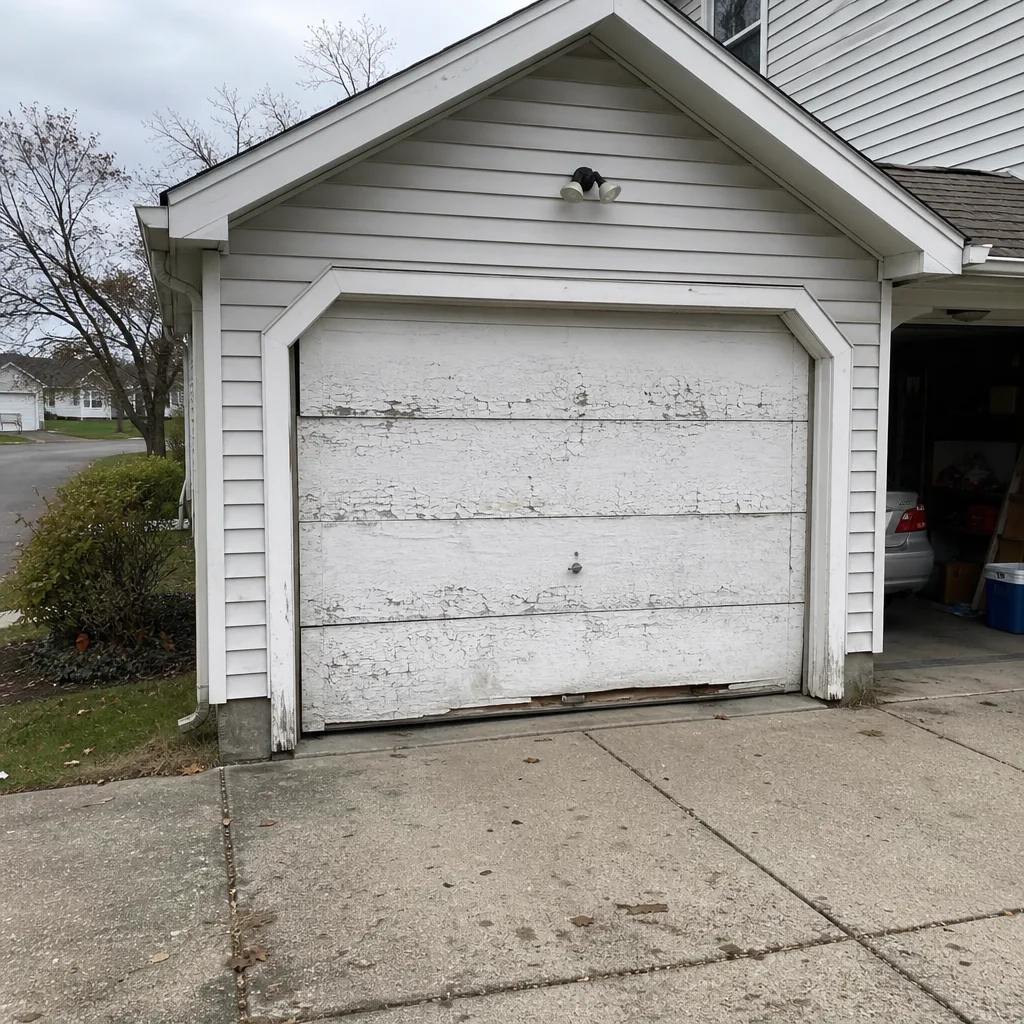 Before
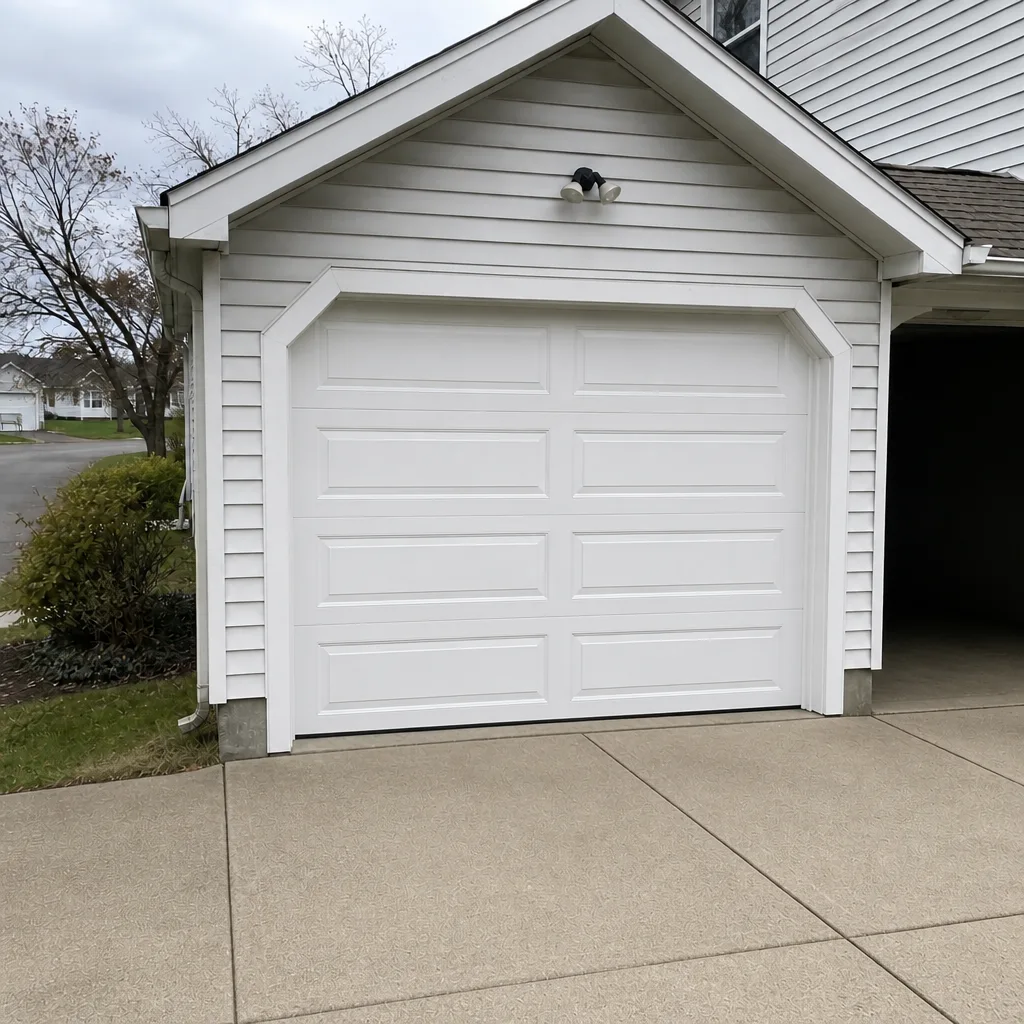 After
How Much Do Common Garage Door Repairs Cost in Milford?
Typical estimated ranges for the most common repairs look like this. Every job is priced per job, and the written estimate you receive sets the final price.
- Spring repair, single spring: typically $180 to $340. A matched pair is usually replaced together, so a pair costs about twice that.
- Cable replacement: typically quoted per cable, and a written estimate covers the full job.
- Track adjustment or roller replacement: typically a smaller job than a spring or cable, and often booked alongside an opener check.
- Opener repair: typically priced after confirming whether the motor or the door is the fault.
If you’re not sure which category your symptom falls into, the balance test is the place to start. If a component in the stop-now tier is involved, call before doing anything else. Our garage door spring repair team handles the highest-risk jobs as a standing service, and the Garage Door Repair Milford Pros team works across spring, cable, opener and door work from one call. If the door needs to be replaced rather than repaired, that’s a scheduled job with a free measure and a written price, not a same-day repair.
The Bottom Line
Garage door warning signs are only useful if you know how to sort them. Use the three-tier triage system: use-with-caution symptoms you can watch, schedule-soon symptoms you book within days, and stop-now symptoms you don’t touch at all. Run the balance test once, note what the door does, and you’ll know more about the health of your door than any visual inspection alone can tell you. Pay attention to new symptoms that don’t go away with the weather. A Milford door that gets checked before a failure is cheaper to fix than one that has to be rescued after.
Call (866) 937-8812 for a free estimate. We answer 24/7. Fast dispatch from 7am to 7pm, Sunday through Friday, and the written price is agreed before any work starts.
Written by the team at Garage Door Repair Milford Pros.